Chefchaouen Travel Guide: Morocco’s Blue City (2026)
[ez-toc] Part of: The Complete Morocco Travel Guide Chefchaouen Travel Guide: Morocco's Blue City Tucked into the folds of the Rif Mountains, Chefchaouen is unlike...

Merzouga Desert is one of the most breathtaking destinations in all of Africa. Tucked away in southeastern Morocco, this golden village sits at the gateway of Erg Chebbi a sweeping sea of sand dunes stretching 50 km long and 5 km wide. If you’re planning a trip to Morocco, Merzouga is not optional. It’s essential.
Whether you dream of sleeping under a sky full of stars, riding camels at sunset, or sharing mint tea with Berber nomads Merzouga delivers experiences that stay with you forever. This guide covers everything you need to know before you go.
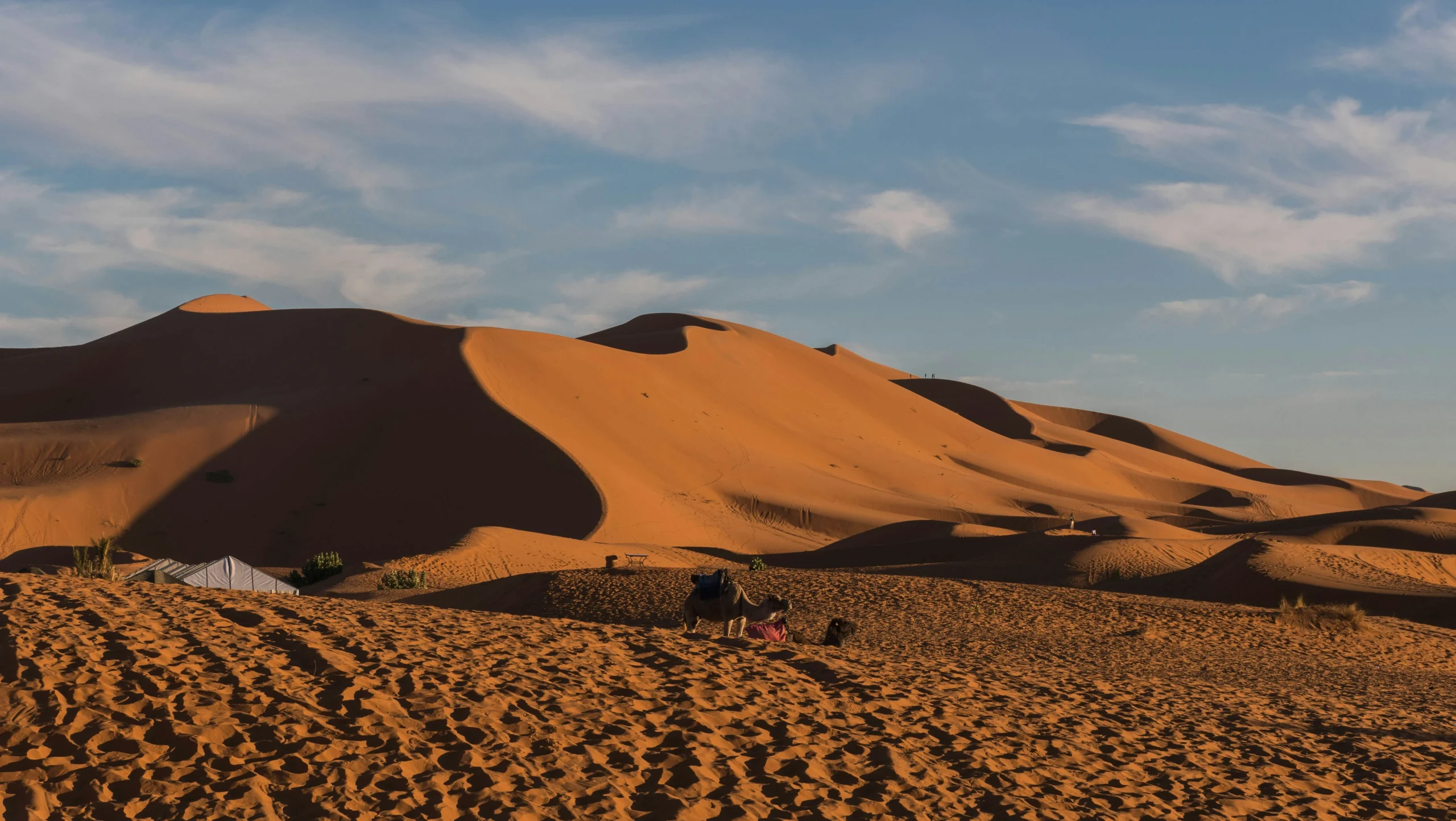
Timing your visit to Merzouga is critical. The desert is extreme and that’s not an exaggeration.
Summer temperatures can spike to 45°C (113°F). Winters are surprisingly cold, especially after dark. March and April bring sandstorms from seasonal desert winds that can reduce visibility to near zero.
The sweet spot? October through February. Days are warm and walkable. Nights are cool and perfect for stargazing. The sky in Merzouga is unlike anything you’ve ever seen no light pollution, no noise, just an endless canvas of stars.
Pro tip from experience: Pack a light jacket even in October. The temperature drops fast after sunset, and many tourists are caught off guard.
Merzouga offers more than just sand. Here are the six experiences you absolutely cannot miss.
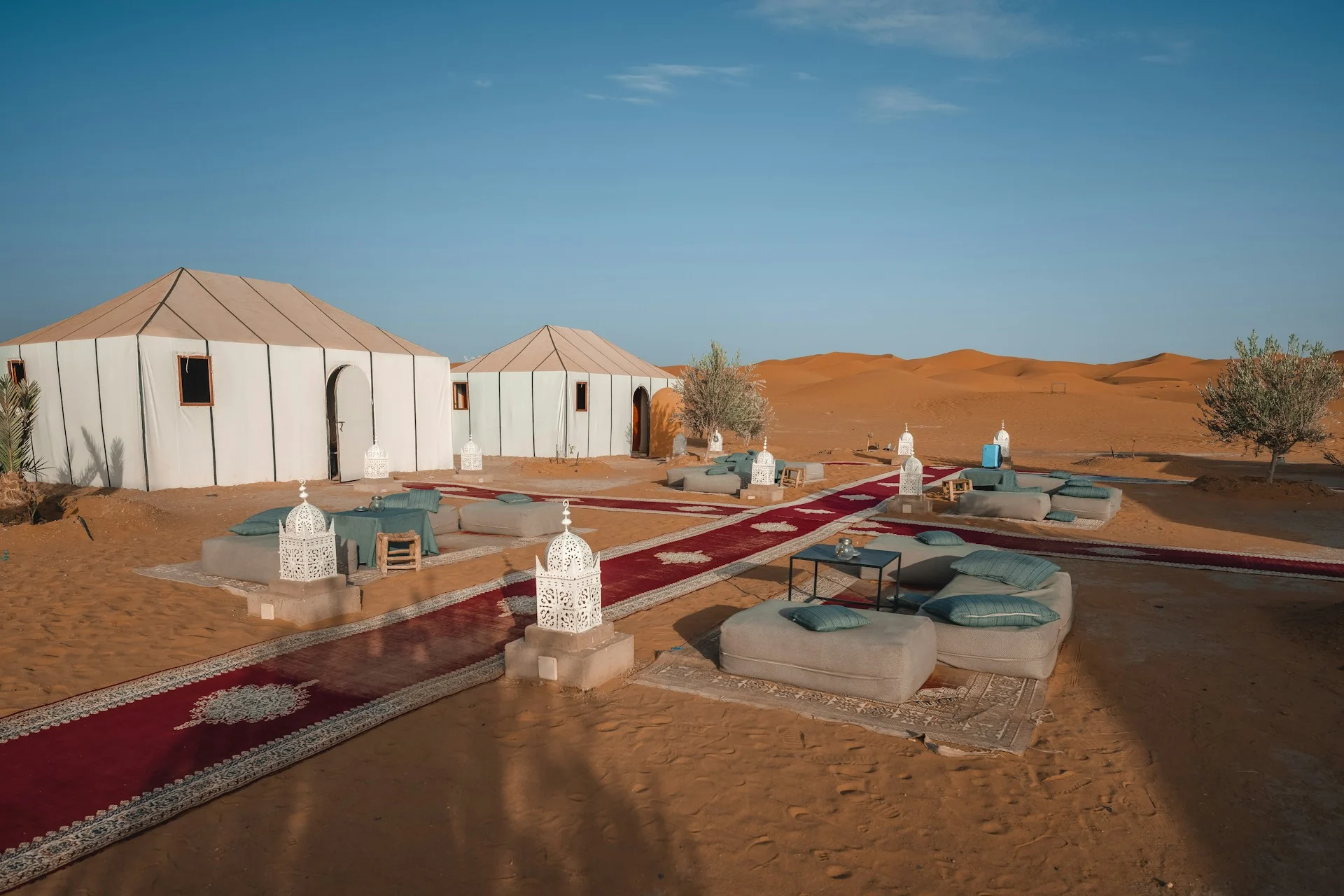
Camping in Merzouga is the single most memorable experience the desert offers. Local agencies set up traditional Khaima tents the traditional shelter of Berber nomads complete with warm food, crackling fires, and live Berber music drifting through the night air.
You’ll share the camp with travelers from all over the world. Stories flow freely around the fire. It’s one of those rare travel moments that feels completely real.
Don’t book the cheapest camp you find online. Ask for reviews, check photos, and confirm what’s included. A good camp makes all the difference.
Looking for the best-rated desert camps? Browse verified Merzouga desert camps on Booking.com and filter by guest score.
A camel trek is the classic Merzouga experience and it earns its reputation. Your guide will lead you deep into the dunes of Erg Chebbi, which rise up to 150 meters above the surrounding desert floor.
The pace is slow and meditative. The silence is total. At the top of the highest dunes, the view of the Sahara will genuinely stop you in your tracks.
Most treks last 1–2 hours. Sunset treks are the most popular and for good reason. Book through your accommodation or a licensed local operator.
If you prefer adrenaline over silence, quad biking across Erg Chebbi is your answer. Rental agencies are easy to find in the village. You can ride for as long as you want, weaving between palm groves and golden dunes.
Go in the late afternoon. The light turns the sand copper-orange, and the ride becomes something close to magical.
The Berber people are the original inhabitants of Merzouga. Many still live as nomads. When you encounter a nomad tent in the dunes, you’re stepping into a way of life that has existed for thousands of years.
Locals are warm and welcoming. You’ll likely be offered tea. Accept it. That cup of sweet mint tea might be one of the most genuine travel moments of your trip.
To learn more about Morocco’s rich Berber heritage, read our full guide on traditional Moroccan clothing and Berber culture.
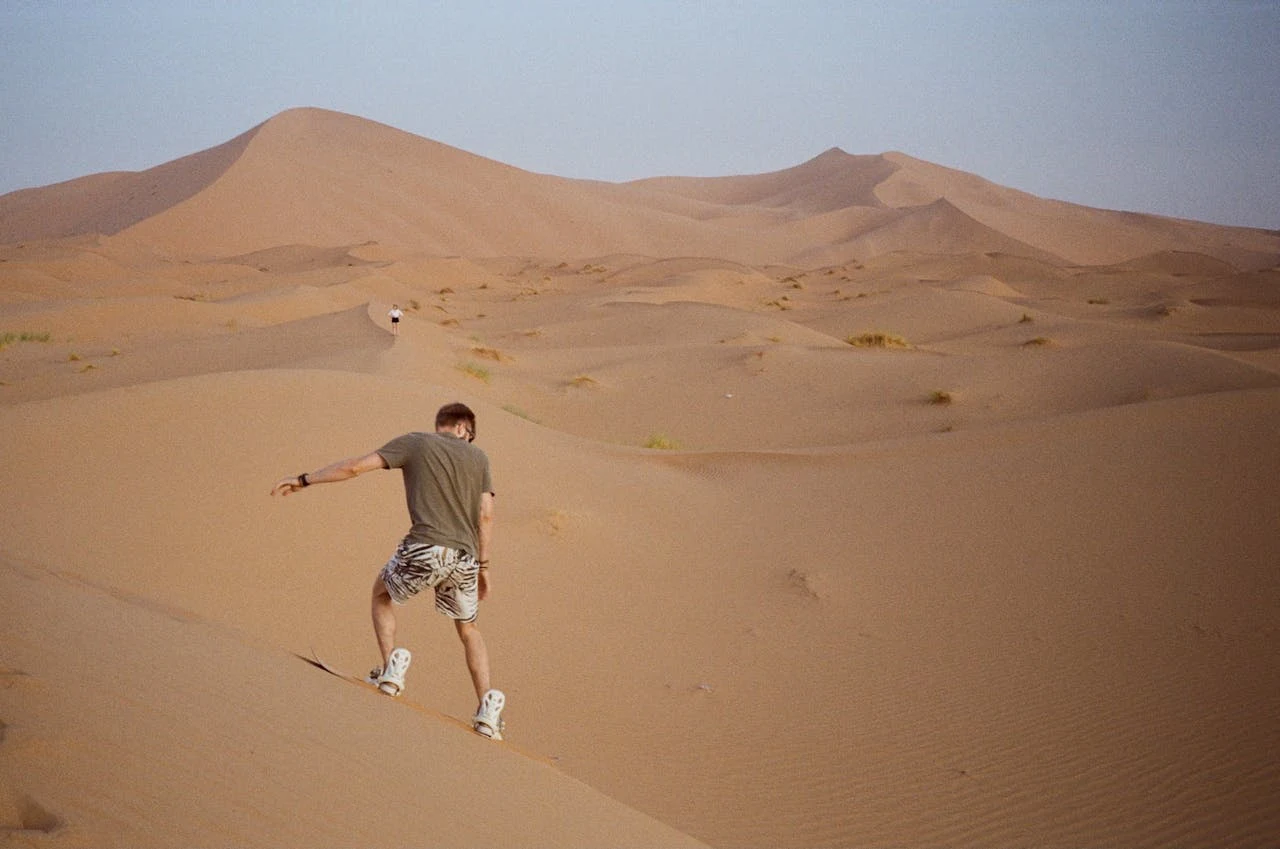
Erg Chebbi’s soft, fluid sand makes for an ideal sandboarding run. Boards are available for rent throughout the village. No experience needed the dunes are forgiving, and falling is half the fun.
Go early morning or late afternoon to avoid the midday heat. The sand is also firmer and faster at those times.
The oasis near Erg Chebbi is one of Merzouga’s most underrated treasures. The contrast is stunning towering dunes on one side, lush palm groves and water on the other. Bring your camera. This is a photographer’s paradise.
Don’t assume the desert means limited food. Merzouga’s cuisine is a genuine highlight of the visit.
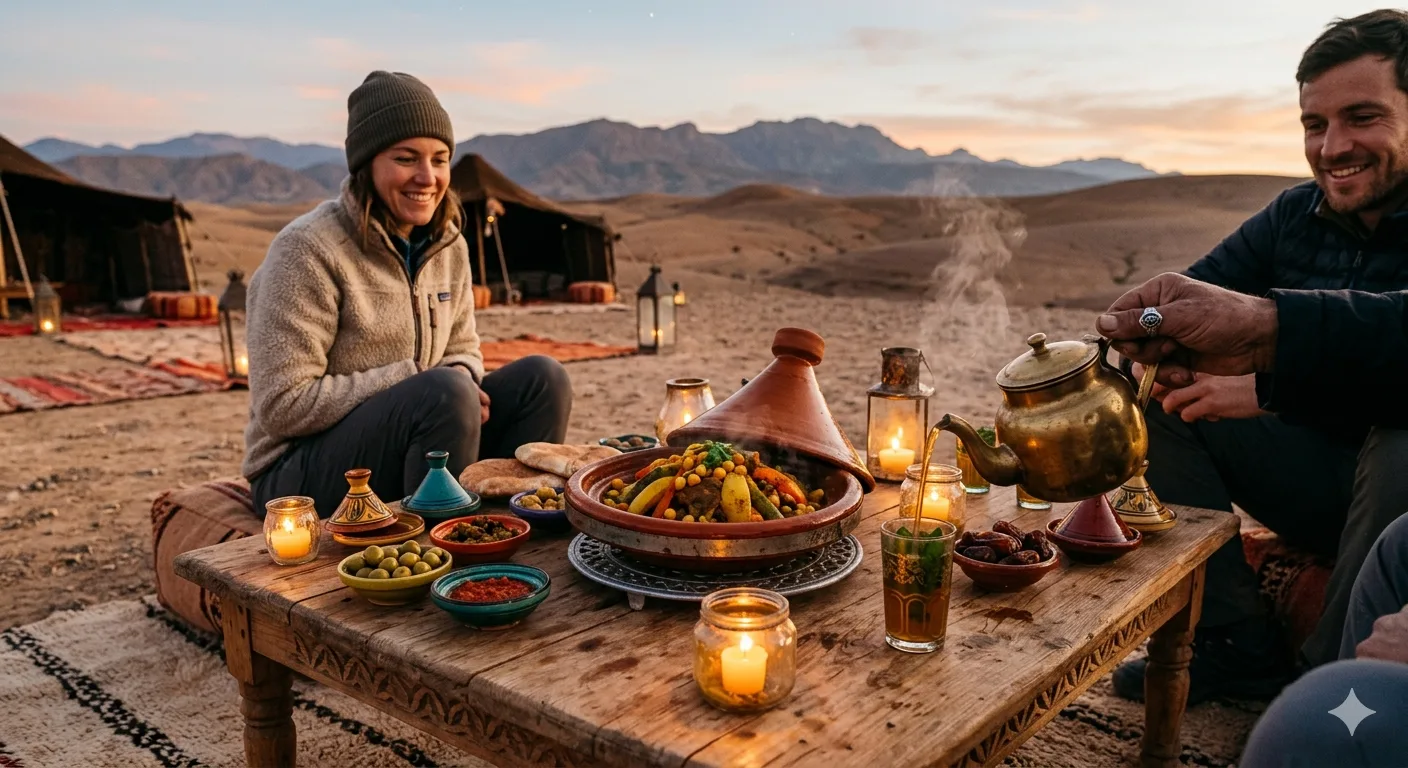
Meals here are slow-cooked in clay tagines sealed pots that trap moisture and concentrate flavor. Lamb, chicken, and beef are layered with vegetables and aromatic spices: cumin, saffron, ras el hanout, and preserved lemon.
Every meal comes with mint tea, poured from height to create a froth, and served sweet from a cone of sugar. It’s a ritual, not just a drink.
Some desert camps offer cooking lessons. If yours does, say yes. Knowing how to make a proper tagine is a souvenir that never takes up luggage space.
For a deeper dive into Morocco’s food culture, the official Visit Morocco website has excellent regional food guides.
The crown jewel of Merzouga. Erg Chebbi is the largest dune field in Morocco formed entirely by windblown sand over millennia. The color shifts dramatically throughout the day, from pale cream at noon to deep amber at dusk.
One local tradition worth knowing: during summer, some visitors bury themselves in the warm sand as a folk remedy for rheumatism. You’ll see it. Don’t be alarmed.
Located just 2 km west of the village center, this seasonal lake is a birdwatcher’s delight. Flamingos, ducks, and wading birds gather here, particularly after winter rains. Visit at sunset the pink light on the water and the birds in flight is something extraordinary.
About 3 hours northwest of Merzouga, Tinghir is a dramatic valley town surrounded by red rock cliffs, ancient kasbahs, and palm groves stretching over 30 kilometers. It’s a natural stop on any desert road trip. Take the N13 north from Rissani, then follow the N12 west toward Al-Nif.
Explore our complete guide to the best places to visit near the desert in Ouarzazate.
Just 22 km from Merzouga, Rissani’s ancient market is one of the most authentic souks in southern Morocco. Artisans, livestock traders, spice sellers, and food vendors crowd the narrow lanes. Go on a market day (Sunday, Tuesday, or Thursday) for the full experience.
Also in Rissani, this ornate mausoleum houses the tomb of the founder of Morocco’s current Alawite dynasty. The architecture domed ceilings, carved plaster, and a grand courtyard is worth the short detour.
A beautifully rustic desert retreat built in traditional earthen architecture. Even if you don’t stay here, it’s worth visiting to understand how desert dwellers have always built with what the land provides. Book in advance if you want a room it fills up fast.
Merzouga is remote by design. Getting there is part of the adventure but plan carefully.
The drive from Marrakech covers roughly 560 km and takes about 10 hours. The route cuts through the High Atlas Mountains stunning scenery, but narrow, winding roads that demand full attention.
Stop overnight in Ouarzazate or Boumalne Dadès. Don’t try to do it in one push. Fatigue on mountain roads is genuinely dangerous.
Supratours buses depart Marrakech at 8:30 AM and arrive around 9:30 PM. It’s affordable and reliable. Shared taxis are also available but involve multiple changes.
The distance from Fez to Merzouga is approximately 480 km by road, taking around 9–10 hours. Options include buses, shared taxis, private transfers, or flying into Errachidia Airport (the nearest commercial airport).
For a seamless journey, many travelers book a private 2-day transfer with stops at Ifrane, Midelt, and the Ziz Valley. According to Lonely Planet’s Morocco guide, this route is one of the most scenic drives in North Africa.
Two nights is the ideal minimum. One night in a desert camp, one day for activities. Three nights if you want to fully decompress and explore nearby sites like Rissani and Tinghir.
Yes. Merzouga is generally very safe. Solo female travelers should dress modestly and book accommodation in advance. Use your hotel to arrange all tours and activities.
October to February offers the best conditions mild daytime temperatures, cool nights, and clear skies for stargazing. Avoid July and August due to extreme heat.
A standard 1–2 hour camel trek costs between 150–300 MAD per person (roughly $15–30 USD). Prices including overnight camp packages vary widely compare at least three operators before booking.
No. The drive is 10 hours each way. Merzouga requires at least one overnight stay to be worthwhile. Many tour operators offer 2- or 3-day Marrakech to Merzouga tours with transport included.
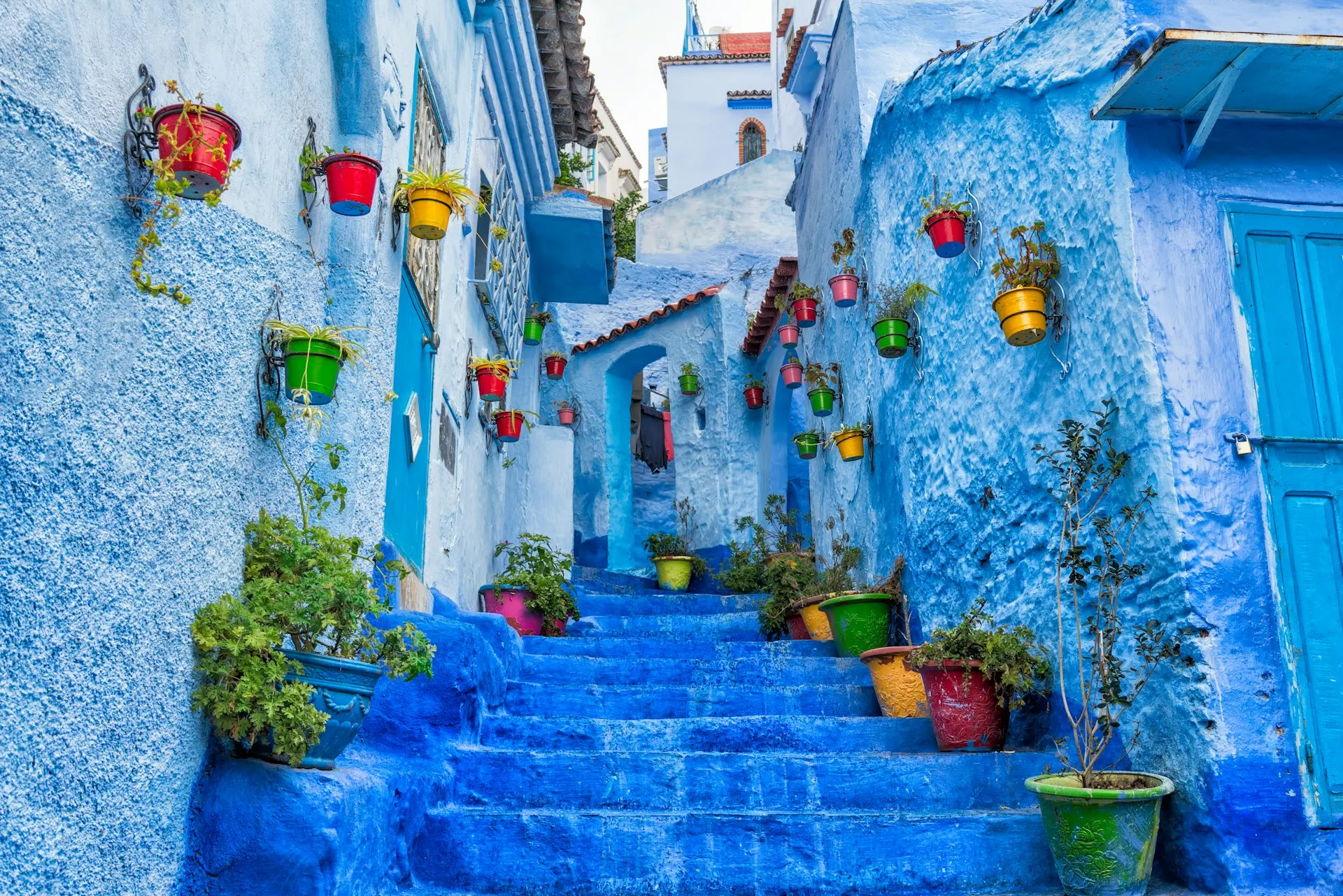
[ez-toc] Part of: The Complete Morocco Travel Guide Chefchaouen Travel Guide: Morocco's Blue City Tucked into the folds of the Rif Mountains, Chefchaouen is unlike...
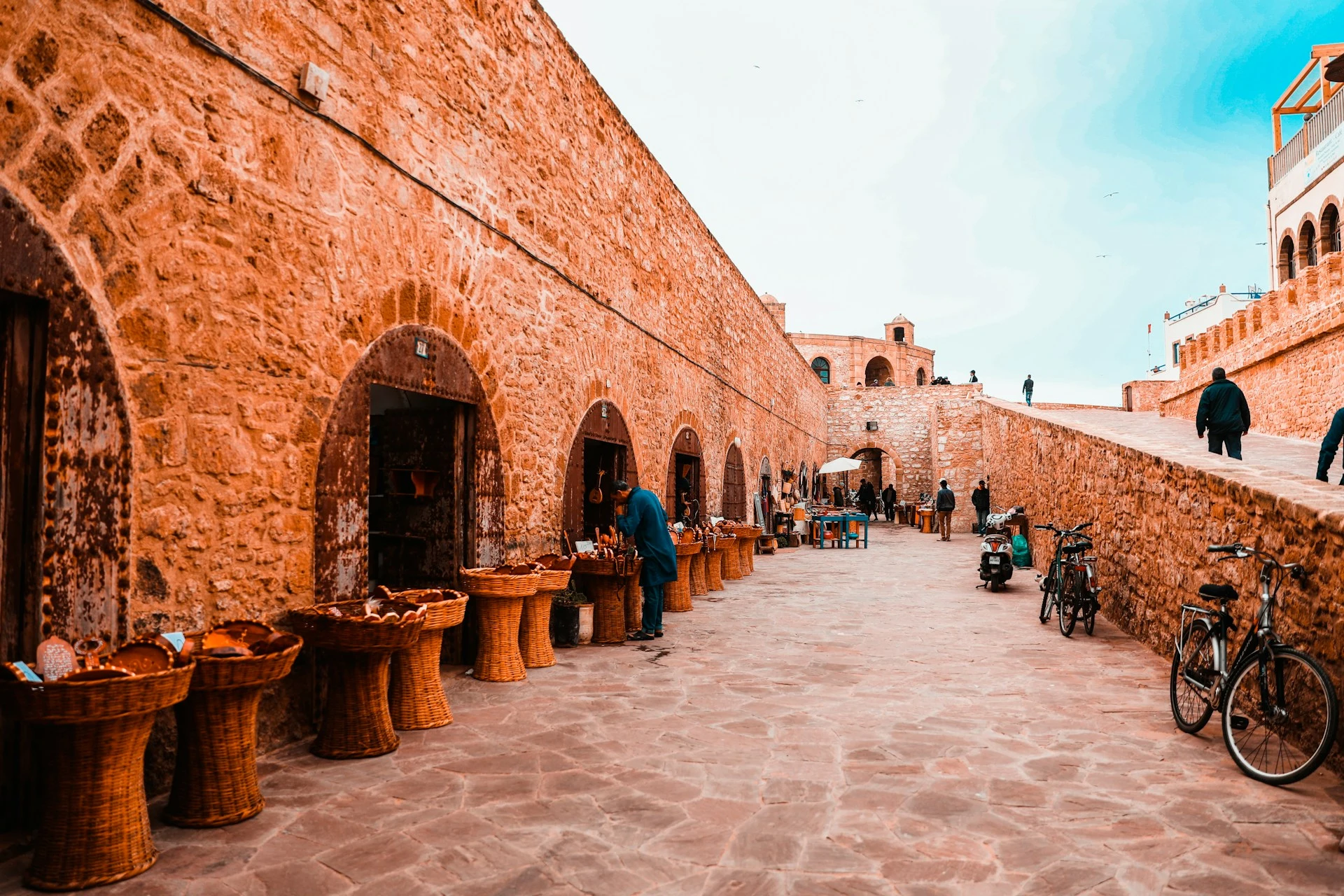
[ez-toc] 📍 Part of: The Complete Morocco Travel Guide Essaouira Travel Guide: Morocco's Laid-Back Atlantic Town After the intensity of Marrakech, Essaouira feels like exhaling....
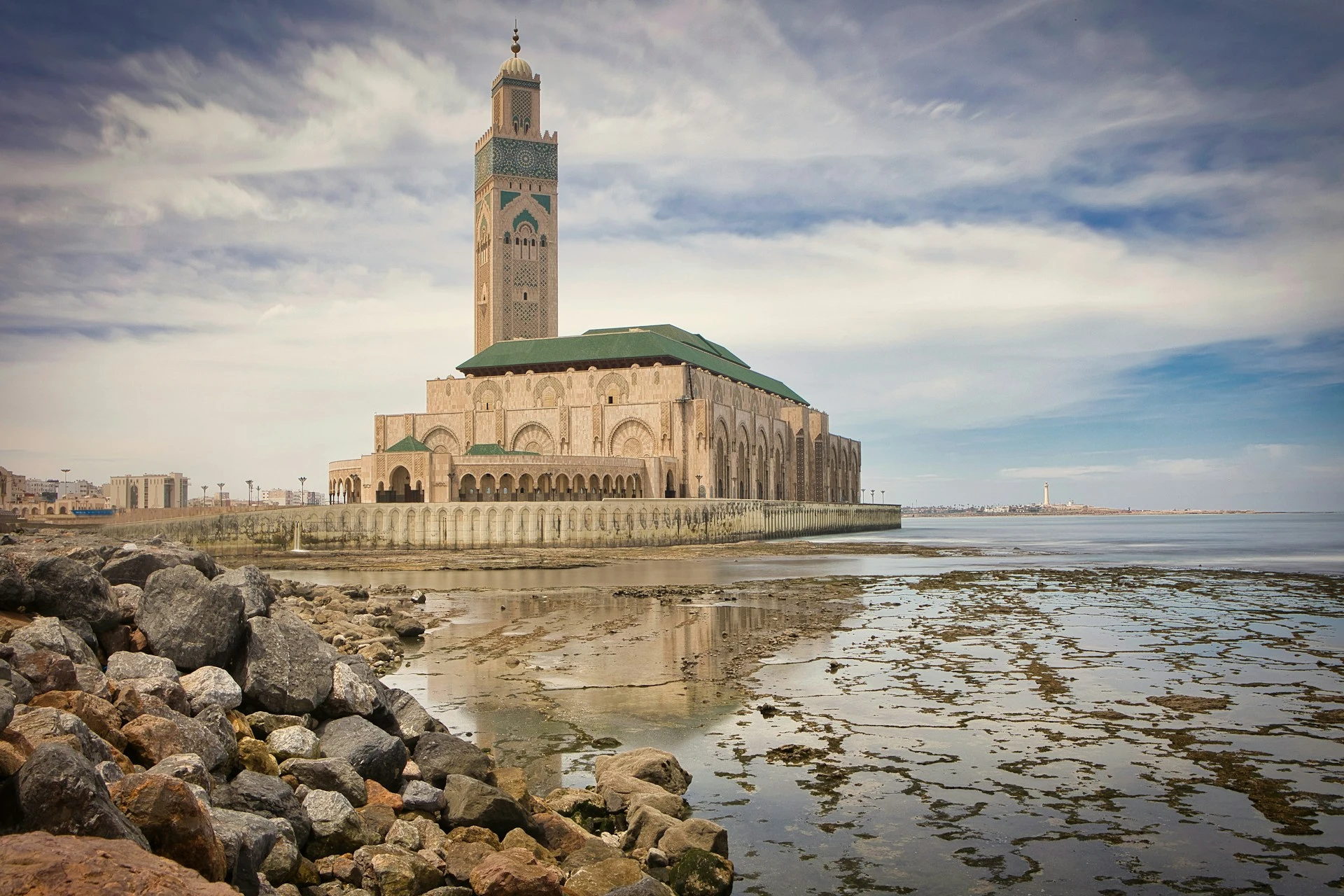
[ez-toc] Part of: The Complete Morocco Travel Guide Casablanca Travel Guide: Morocco's Modern Face Casablanca isn't the Morocco of postcards and ancient medinas and that's...
