Chefchaouen Travel Guide: Morocco’s Blue City (2026)
[ez-toc] Part of: The Complete Morocco Travel Guide Chefchaouen Travel Guide: Morocco's Blue City Tucked into the folds of the Rif Mountains, Chefchaouen is unlike...

Morocco is a country where clothing tells a story. Every robe, slipper, and headscarf carries centuries of history, culture, and identity. If you are planning a trip to Morocco, understanding traditional clothing of Morocco will transform how you experience the country from the medinas of Fes to the dunes of Merzouga.
If you’re planning a trip to Morocco, it helps to start with a complete overview of the country, including culture, destinations, and practical travel advice.
In this guide, you will discover every major traditional Moroccan garment, what locals actually wear, and how to dress respectfully as a tourist. We also share where to buy authentic pieces and how to avoid getting overcharged in the souks.
The history of traditional clothing of Morocco stretches back over a thousand years. Moroccan garments reflect a stunning mix of Arab, Berber, Andalusian, and Sub-Saharan African influences. Clothing here was never just practical it communicated social status, religious identity, and regional roots.
Skilled artisans crafted these garments by hand, passing their techniques from generation to generation. The embroidery, colors, and fabrics you see today in the souks of Merzouga and Marrakech are living pieces of that heritage.
Walk through the medina of Fes or the blue alleys of Chefchaouen today, and you will see traditional attire worn proudly alongside modern clothing. Morocco does not choose between the old and the new it wears both at once.
There are many distinct garments in the Moroccan wardrobe. Each one carries its own meaning, occasion, and regional flavor. Here are the most important ones every visitor should know.
The djellaba is the most iconic piece of traditional clothing of Morocco. It is a long, loose-fitting hooded robe worn by both men and women. The pointed hood called a qob protects against sun, wind, and cold. You will see djellabas everywhere: in markets, mosques, and family homes.
Materials range from lightweight cotton in summer to heavy wool in winter. In the Sahara, the famous blue djellaba worn by Tuareg nomads is both practical and deeply symbolic. As a tourist, buying a djellaba is one of the best souvenirs you can take home.
The caftan is Morocco’s most glamorous traditional garment. It is a long gown made from silk, satin, or brocade, richly embroidered and often adorned with sequins. Women wear caftans for weddings, festivals, and special celebrations.
If you are lucky enough to be invited to a Moroccan wedding, expect to see caftans in breathtaking colors emerald green, deep burgundy, royal blue. This is not just clothing. It is wearable art.
The takchita is a two-piece formal garment worn by women on special occasions. The inner layer called tahtiya resembles a caftan. The outer layer called fouta is open at the front and more ornate. Decorative buttons fasten the two layers together elegantly.
The haik is a large rectangular piece of fabric that women drape over their bodies and heads. Traditionally white, it is still worn by older women in rural areas and smaller cities. It represents modesty and tradition in its simplest form.
The gandora is a shorter, lighter version of the djellaba without the hood. Men wear it widely during warmer months. It is casual, comfortable, and perfect for Morocco’s hot inland summers. Think of it as the Moroccan equivalent of a linen shirt.
The selham is a woolen cape worn over the djellaba during colder months. It often features decorative patterns or fringes around the edges. In mountain regions like the Atlas, you will still see men wearing the selham on cold mornings.
The tarboosh also called the fez is a cylindrical red felt hat deeply associated with Moroccan identity. Named after the city of Fes, it was once standard formal wear for men. Today it is mostly worn for ceremonies and cultural events.
Babouches are traditional Moroccan leather slippers with a pointed tip. They come in every color imaginable yellow, red, white, green. The tanneries of Fes produce some of the finest babouches in the world. Do not leave Morocco without a pair. Expect to pay between 80 and 200 MAD for a good quality pair in the medina.
The belgha is similar to babouches but without the pointed tip flat and elegant. Often made of soft yellow leather, it is the classic everyday slipper worn inside the home and mosque.
Moroccan men’s traditional dress is built around comfort, modesty, and climate. The djellaba is the cornerstone worn for Friday prayers, family gatherings, and daily life in smaller cities. For formal occasions, men pair a tailored djellaba with a tarboosh hat and babouche slippers.
The gandora is the everyday casual choice during summer. In the Sahara, Berber and Tuareg men wear long flowing robes in earthy tones or deep blue designed specifically to manage desert heat. Loose, light-colored fabrics reflect the sun and allow air circulation. This is not fashion. This is survival intelligence perfected over centuries.
As a male tourist, wearing a djellaba in Morocco is welcomed and appreciated by locals. Many visitors buy one in Marrakech or Fes and wear it during their desert tour. It is a genuine conversation starter.
Moroccan women’s traditional dress is extraordinarily diverse. The caftan remains the queen of formal occasions rich, embroidered, and deeply personal. Every caftan is essentially custom-made and reflects the wearer’s taste and family heritage.
For daily wear, women in urban areas often combine Western clothing with a hijab. In rural and conservative areas, you will see the haik and djellaba worn regularly. The melhfa a large fabric wrapped around the body is common in southern regions near the Sahara.
Female tourists often wonder whether they must cover up in Morocco. The answer is: full covering is not required, but dressing modestly covering shoulders and knees is strongly recommended, especially in medinas, mosques, and rural villages. You will feel more comfortable and receive more genuine interaction from locals.
The south of Morocco particularly the desert region around Merzouga has its own distinct clothing culture, shaped entirely by the Sahara environment. Here, clothing is a direct response to nature: blazing sun, sandstorms, freezing nights, and harsh winds.
Nomadic Berber men wear long woolen robes that cover the entire body. Light-colored fabrics reflect sunlight and reduce skin temperature. Turbans protect the head and face from sand and UV exposure. Slippers protect feet from scorching sand during the day and cold ground at night.
Berber women in the south wear long black and colorful robes decorated with bright embroidery each pattern carrying tribal meaning and family identity. These garments are not traditional in the museum sense. They are living, functional, and worn every single day.
When you visit the Sahara, your Berber guide will often offer you a turban to wear. Accept it. It is both practical and a beautiful gesture of inclusion.
Weddings in Morocco are legendary and the clothing is a central part of the spectacle. Moroccan weddings often last two to three days, and guests change outfits multiple times throughout the celebration.
Women wear elaborate takchitas and caftans adorned with gold and silver embroidery, hand-stitched beading, and precious gemstones. The bride herself may change into five or more different caftans over the wedding nights. Each outfit represents a different stage of the ceremony.
Men wear tailored djellabas, often in white or cream, paired with a fez hat and gold-trimmed babouches. The formality and color of the djellaba signals the significance of the occasion.
If you are ever invited to a Moroccan wedding as a tourist say yes. It is one of the most extraordinary cultural experiences Morocco offers. Dress up. Bring a gift. Be prepared to eat very, very well.
The influence of traditional clothing of Morocco on global fashion is impossible to ignore. Designers from Yves Saint Laurent to current Paris and Milan runways have drawn heavily from Moroccan silhouettes, embroidery techniques, and color palettes.
The caftan was reimagined as an evening gown. The djellaba inspired oversized coat silhouettes. Moroccan geometric embroidery appeared on luxury handbags and shoes. According to Vogue, Moroccan-inspired fashion remains one of the most enduring global aesthetic influences of the past five decades.
This global appreciation has also helped local Moroccan artisans. More tourists seek authentic handmade pieces, supporting the craftspeople whose families have kept these traditions alive for generations.
The best places to buy authentic traditional clothing of Morocco are the medinas the old walled cities of Marrakech, Fes, and Essaouira. Inside these ancient walls, you will find dedicated souks for djellabas, caftans, babouches, and accessories.
Here are some practical tips before you shop:
You can also find authentic Moroccan clothing through reputable online platforms if you prefer to shop before your trip or want to bring pieces home. Look for sellers who provide details on the artisan and fabric origin.
This is the section most travel blogs skip and the one you actually need before packing your bag.
For a broader guide on preparing for your trip, check out the Lonely Planet Morocco guide for general travel preparation tips.
Wearing a djellaba or caftan is not just about putting it on it is about wearing it with intention. Here is how to do it well:
Traditional clothing of Morocco is not fading it is evolving. A new generation of Moroccan designers is reinterpreting the djellaba and caftan for international audiences, fusing heritage silhouettes with contemporary cuts and sustainable fabrics.
Local artisan cooperatives many of them women-run are gaining international recognition through platforms like UNESCO’s intangible heritage program, which actively supports Moroccan textile traditions. When you buy an authentic handmade garment in Morocco, you are participating in that preservation.
The future of Moroccan clothing lies in exactly that balance: honoring what was built over centuries while allowing it to breathe and grow into the next generation.
The djellaba is the most widely worn traditional garment in Morocco. Both men and women wear it daily across all regions of the country.
No, tourists are not required to wear traditional clothing. However, dressing modestly covering shoulders and knees is strongly recommended, especially in medinas, mosques, and rural areas.
The medinas of Marrakech and Fes offer the best selection. For highest quality, look for specialist tailors rather than tourist-facing stalls. Prices range from 200 MAD for simple versions to over 1,000 MAD for hand-embroidered wool djellabas.
Moroccan women’s daily dress varies widely. In cities, many wear Western clothing combined with a hijab. In rural and conservative areas, the djellaba and haik remain common. On special occasions, women wear caftans and takchitas.
Female tourists in the Sahara should wear loose, light-colored, long clothing during the day to protect against sun and sand. At night, warm layers are essential as desert temperatures drop sharply after sunset. A scarf or turban is highly practical.
Traditionally yes the caftan in Morocco is primarily a women’s garment worn for formal occasions. Men’s formal traditional wear centers around the djellaba and jabadour.
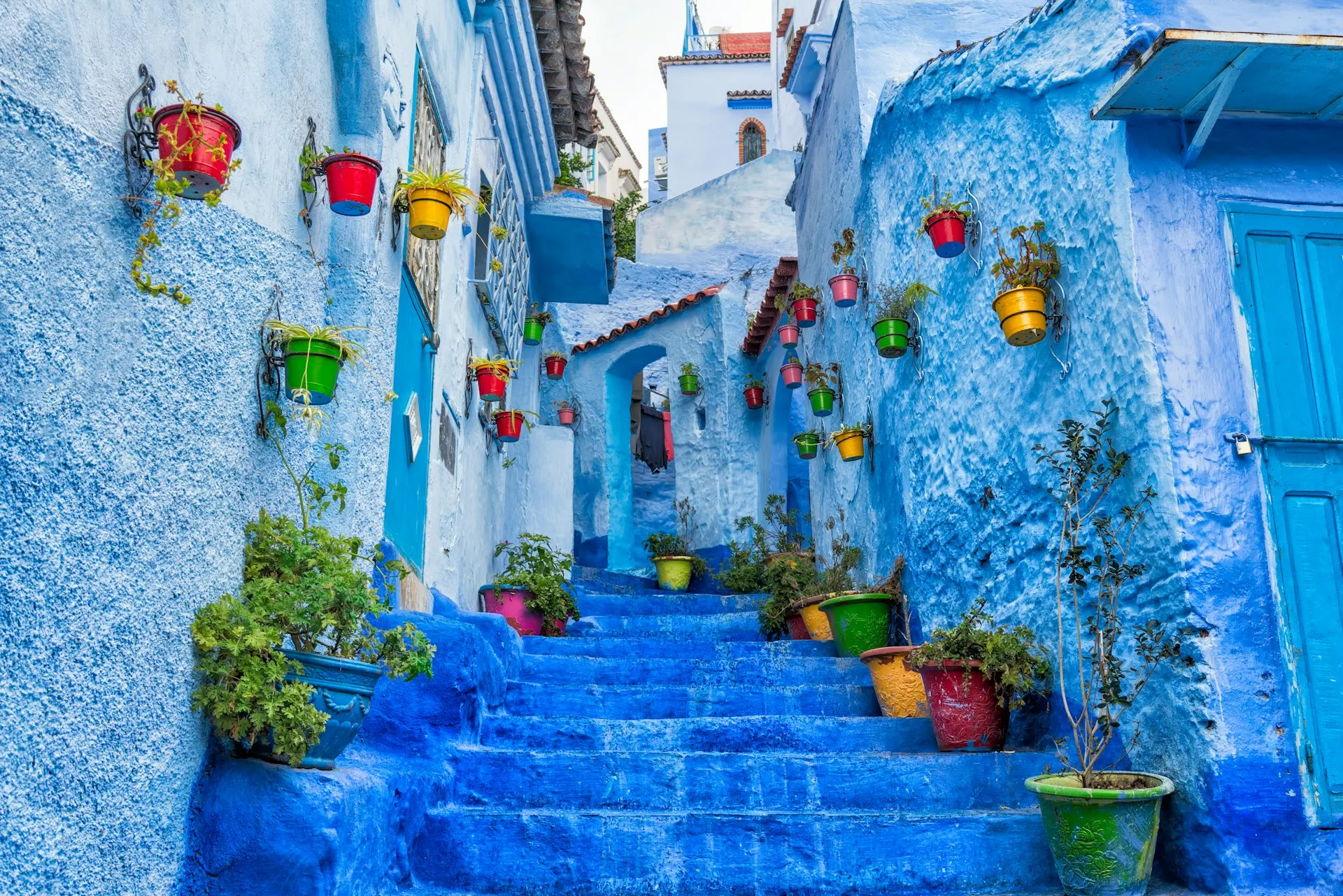
[ez-toc] Part of: The Complete Morocco Travel Guide Chefchaouen Travel Guide: Morocco's Blue City Tucked into the folds of the Rif Mountains, Chefchaouen is unlike...
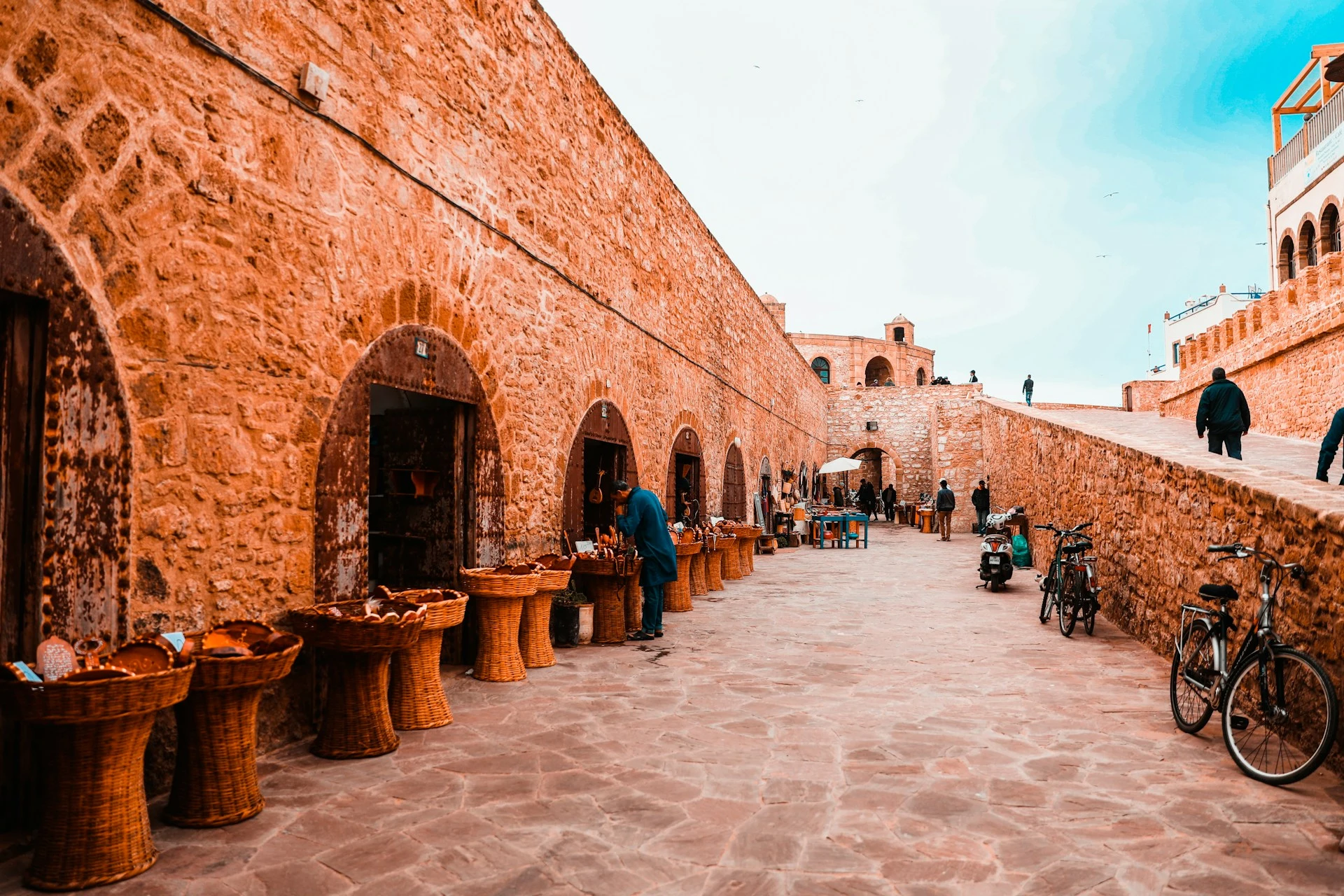
[ez-toc] 📍 Part of: The Complete Morocco Travel Guide Essaouira Travel Guide: Morocco's Laid-Back Atlantic Town After the intensity of Marrakech, Essaouira feels like exhaling....
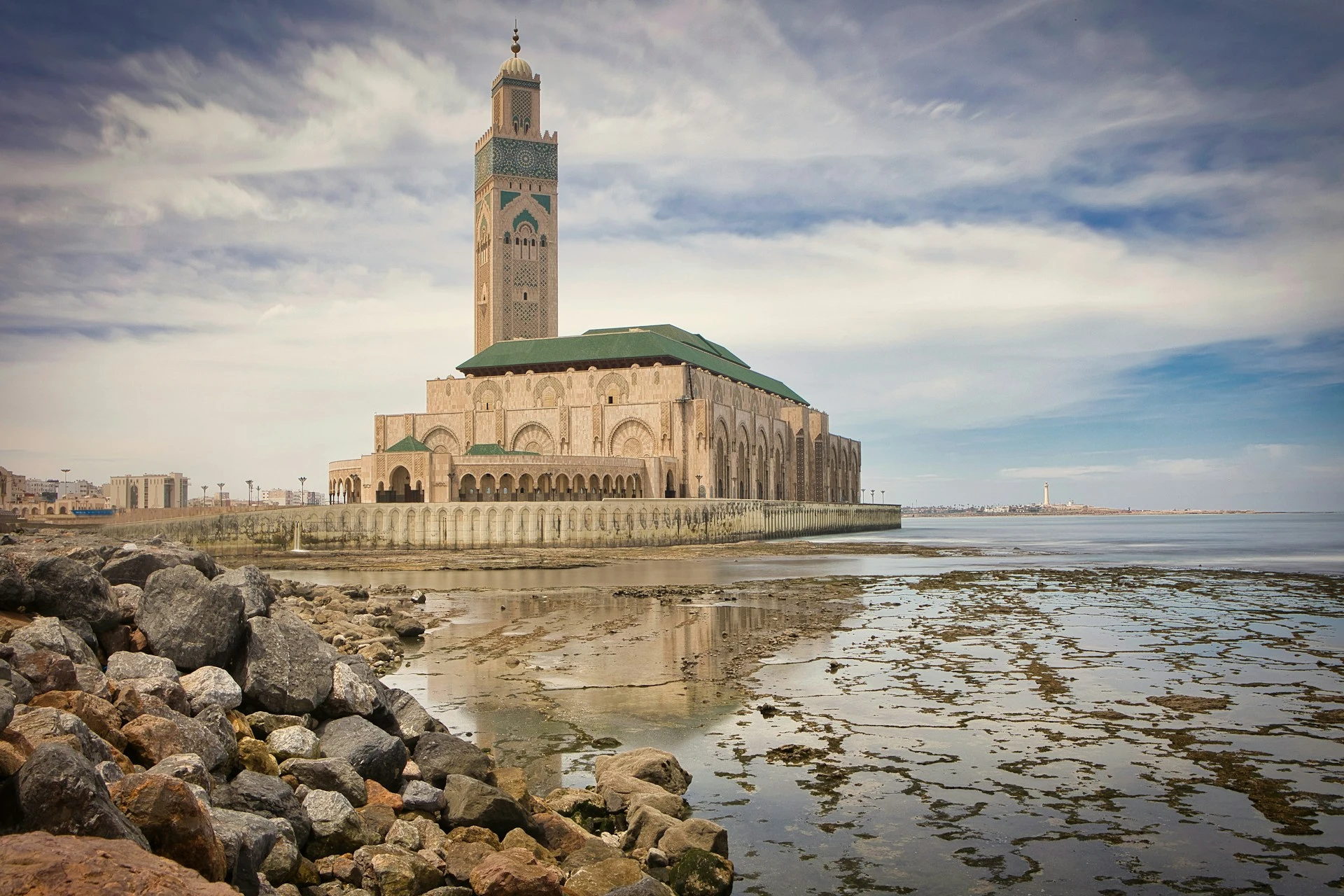
[ez-toc] Part of: The Complete Morocco Travel Guide Casablanca Travel Guide: Morocco's Modern Face Casablanca isn't the Morocco of postcards and ancient medinas and that's...
