7 Best Places to Visit in Essaouira
If you are planning to visit Essaouira, then get ready for a journey full of unforgettable moments, luxurious nights, and many hidden wonders. Essaouira is...
📍 Part of: The Complete Morocco Travel Guide
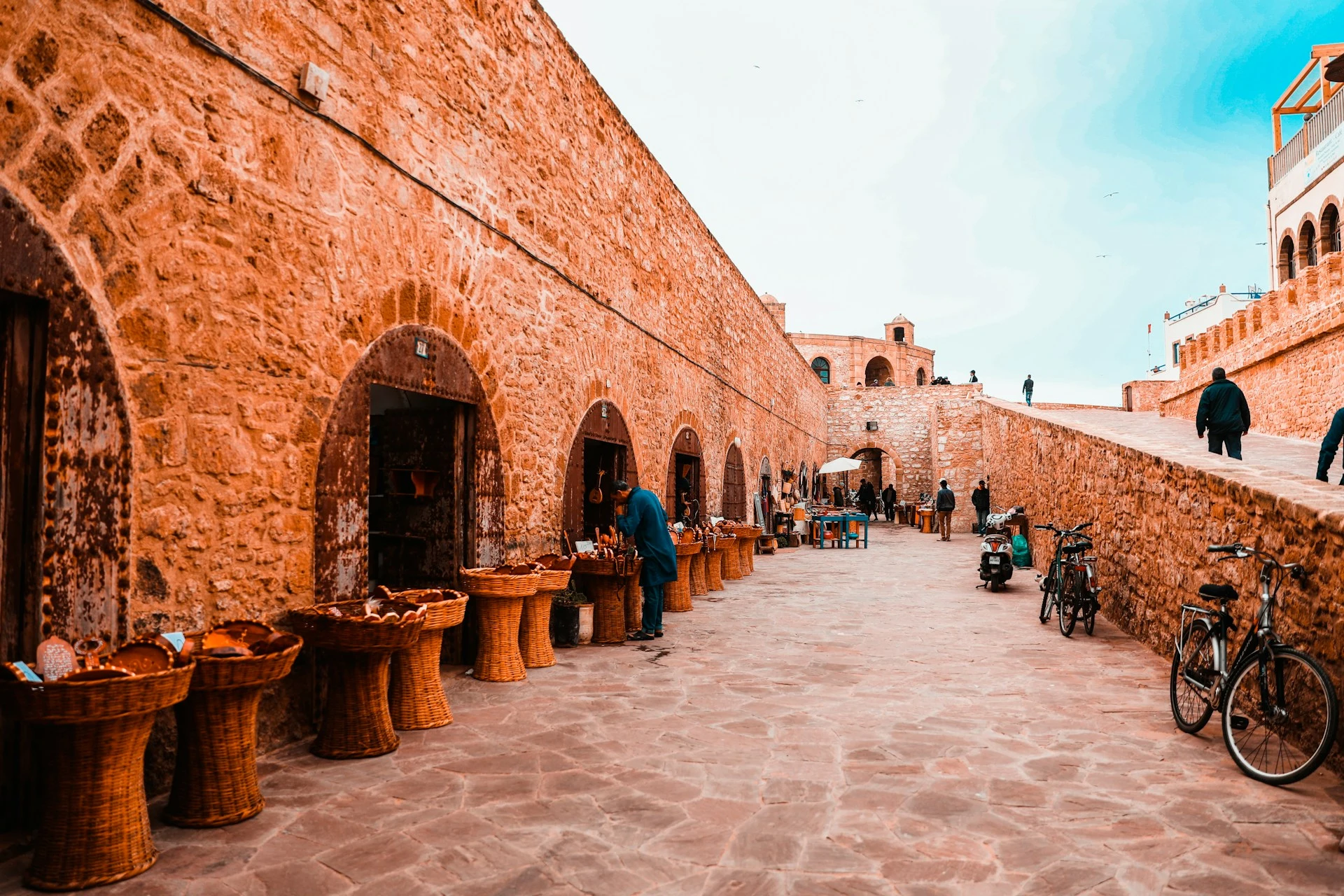
After the intensity of Marrakech, Essaouira feels like exhaling. This windswept Atlantic port town, about three hours from Marrakech, trades crowded souks and constant hustle for whitewashed ramparts, fresh seafood, and ocean breeze. Its UNESCO-listed medina is calm enough to wander without a plan, and its laid-back pace has made it a favorite among independent travelers, surfers, and artists alike.
This guide covers everything you need to plan a visit: how to get there, what to do, where to eat, and what makes Essaouira different from Morocco’s bigger cities.
Essaouira sits on Morocco’s Atlantic coast, about 175-190 km west of Marrakech — roughly a 2.5 to 3-hour drive. Formerly known as Mogador, the town’s fortified medina was built by the Portuguese and later developed in the 18th century, earning it UNESCO World Heritage status. Unlike Morocco’s inland imperial cities, Essaouira’s identity is shaped by the Atlantic: constant sea breeze, a working fishing port, and some of the country’s best seafood.
It attracts a different crowd than Marrakech or Fes — fewer big tour groups, more independent travelers drawn by the wind, the relaxed pace, and the artistic, slightly bohemian atmosphere.
From Marrakech (most common route, ~2.5-3 hours): No train connection exists, so options are bus, shared taxi, or private transfer. Supratours and CTM both run multiple daily departures from Marrakech for around 80-100 MAD, with Supratours buses dropping off directly in town. Private taxis cost around 800-1,000 MAD for the car (negotiable), making the trip in about 2.5 hours.
As a day trip from Marrakech: Doable but long — leaving by 8 AM gets you to Essaouira by around 11 AM, leaving 5-6 hours to explore before the return journey. Many travelers prefer staying at least one night to enjoy the relaxed evening atmosphere and sunset over the Atlantic.
From other cities: Essaouira has its own small airport with limited flights, but most visitors arrive via Marrakech given its central location and frequent transport links.
Essaouira’s coastal location means it stays cooler than inland cities year-round — a welcome contrast if you’re combining it with Marrakech in summer. Spring and autumn offer the most comfortable weather for wandering the medina and beach. The Atlantic wind is a near-constant feature, which is part of what makes Essaouira a renowned destination for windsurfing and kitesurfing, but also means it’s worth packing a light jacket or scarf even in summer.
Late June brings the famous Gnaoua World Music Festival, one of Morocco’s biggest cultural events, drawing large crowds for several days of music centered on Gnawa traditions — book accommodation well in advance if visiting during this period.
Essaouira rewards slow exploration as much as any sightseeing checklist. Highlights include:
Seafood is the highlight here. The port-side fish stalls let you pick fresh catch and have it grilled on the spot — one of the best-value meals in Morocco. Beyond the port, the medina has a strong café culture and a growing number of restaurants blending Moroccan and international influences, reflecting the town’s artistic, slightly cosmopolitan character.
The medina is the most atmospheric base, with riads and guesthouses tucked behind blue-and-white facades, many offering rooftop terraces with sea views. Essaouira is known for being especially welcoming to families — the town is compact, walkable, and relaxed enough that pushing a stroller through the medina isn’t the challenge it can be in busier cities.
Best Cheap Hostels in Essaouira 2026 | Ultimate Budget Guide
About 175-190 km, roughly a 2.5 to 3-hour drive. There’s no train connection, so most travelers go by bus (Supratours or CTM), shared grand taxi, or private transfer.
Yes, though it makes for a long day — leaving early gets you 5-6 hours to explore. Many travelers prefer staying at least one night to enjoy the relaxed evening atmosphere without rushing back.
Its UNESCO-listed fortified medina, fresh seafood, constant Atlantic breeze, and laid-back, artistic atmosphere — a contrast to the intensity of Marrakech and Fes. It’s also a major destination for windsurfing and kitesurfing.
It’s held annually in late June and is one of Morocco’s biggest music festivals, drawing large crowds. Book accommodation well in advance if visiting during this time.
Yes, Essaouira is considered one of the more family-friendly towns in Morocco — compact, walkable, and relaxed, with a beach suited to activities for all ages.
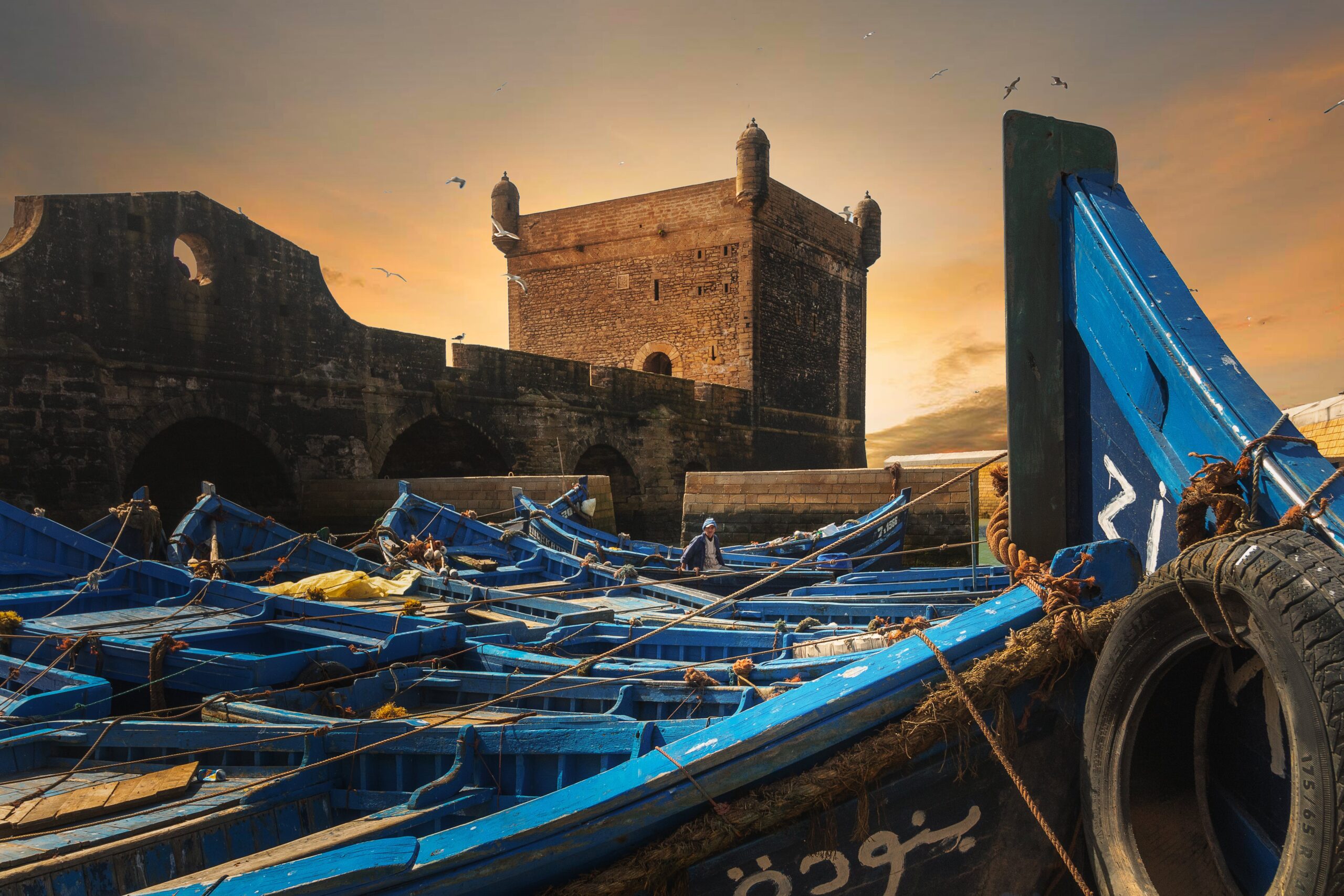
If you are planning to visit Essaouira, then get ready for a journey full of unforgettable moments, luxurious nights, and many hidden wonders. Essaouira is...

Discover the best things to do in Essaouira, from exploring the medina and beaches to tasting local cuisine and enjoying vibrant cultural festivals.

[caption id="attachment_10162" align="aligncenter" width="828"] Cheap Hostels In Essaouira | Hostel La Smala[/caption] Best Cheap Hostels in Essaouira, Morocco (2025 Budget Guide) Looking for the best...
