Ouarzazate to Merzouga: Sahara Desert Travel Guide (2026)
[ez-toc] Part of: The Complete Morocco Travel Guide Ouarzazate And Merzouga: Your Gateway to the Sahara If Marrakech is Morocco's gateway to adventure, Ouarzazate and...

Quick Answer: What are the best places to visit in Ouarzazate, Morocco?
The top places to visit in Ouarzazate include Ait Ben Haddou (UNESCO World Heritage Site), Taourirt Kasbah, Atlas Corporation Studios, the Dades Valley, and Draa Valley. Most visits last 1–2 days, and the city is best reached by a 3–4 hour drive from Marrakech over the dramatic Tichka Pass.
If there is one destination in Morocco that feels genuinely cinematic where ancient mud-brick fortresses rise from the desert, where Hollywood stars once walked through the same alleyways as Berber traders it is Ouarzazate.
Known as the Gateway to the Sahara, Ouarzazate (pronounced “War-za-zat”) sits at the edge of the High Atlas Mountains, roughly 200 kilometres south of Marrakech. It is a city of contrasts: one morning you can wander a 1,000-year-old kasbah, and by afternoon you could be standing on the same film set used in Game of Thrones, Gladiator, and Lawrence of Arabia.
This guide covers everything a first-time visitor needs to know: the best places to visit in Ouarzazate, how to get there, entry prices, local transport options, the safest areas, and a practical one-day itinerary you can follow from arrival. If you are planning a Morocco trip itinerary, Ouarzazate deserves a firm spot on your route.
New to Ouarzazate? Before exploring these incredible attractions, check out our complete Ouarzazate Travel Guide. You’ll find everything you need to know about where to stay, the best time to visit, transportation options, local tips, and practical advice for planning your trip.
Read our complete Ouarzazate Travel Guide
| Detail | Information |
|---|---|
| Location | Southern Morocco, 200 km from Marrakech |
| Best time to visit | March–May and September–November |
| Getting there | 3–4 hours by road from Marrakech (bus, taxi, or car) |
| Average daily budget | 400–800 MAD (USD 40–80) per person |
| Accommodation range | From 150 MAD (budget guesthouse) to 1,200+ MAD (boutique riad) |
| Languages | Darija (Moroccan Arabic), Tamazight (Berber), French |
| Recommended stay | 1–2 days (day trip possible from Marrakech) |
| Safety rating | Generally safe low violent crime, standard precautions apply |
The journey from Marrakech to Ouarzazate is one of the most spectacular road trips in North Africa. The route crosses the Tichka Pass (Tizi n’Tichka) at 2,260 metres above sea level, offering jaw-dropping views of the High Atlas Mountains and a descent into the pre-Saharan landscape. Even if Ouarzazate were completely ordinary as a destination (it is not), this drive alone would be worth the trip.
Here are your four main transport options:
By CTM Bus (Budget Option): CTM, Morocco’s national intercity coach company, runs daily services from Marrakech’s Bab Doukkala bus station to Ouarzazate. The journey takes approximately 4 hours and costs 80–100 MAD (around USD 8–10). It is comfortable and reliable, though the schedule is fixed check the CTM website for current timetables.
By Shared Taxi (Grand Taxi): Grands taxis — large shared Mercedes sedans depart from Marrakech’s Bab Ghmat taxi station when they fill up (usually 6 passengers). The cost is around 80–120 MAD per seat, and they are faster than buses since drivers push the mountain roads harder. The trade-off is comfort: six adults in a decades-old Mercedes over a mountain pass is an experience in itself.
By Private Transfer or Rental Car: Hiring a private driver costs roughly 800–1,200 MAD for the return day trip, which becomes very reasonable when split between a group of three or four. Driving yourself is straightforward Route N9 is the main road though mountain driving experience helps on the Tichka switchbacks. This is the most flexible option and lets you stop at Ait Ben Haddou on the way.
By Organised Day Trip from Marrakech: Many tour operators in Marrakech offer guided day trips to Ouarzazate and Ait Ben Haddou for 350–600 MAD per person. These are popular but rushed you typically get around 2–3 hours total at the sites. Staying overnight gives a far better experience.
Ouarzazate’s climate is semi-arid and largely sunny year-round, but temperatures vary enormously between seasons. Getting your timing right makes a real difference to your experience.
The spring months (March, April, May) are widely considered the best time to visit. Temperatures hover between 20°C and 28°C, wildflowers bloom in the valleys, and the light is spectacular for photography. The region is alive with activity but not yet overcrowded.
Autumn (September, October, November) is an equally excellent window. The intense summer heat has faded, the landscapes have a golden quality, and the nights are cool and comfortable. September in particular offers the best balance of warm weather and manageable crowds.
Summer (June, July, August) is challenging. Temperatures routinely exceed 40°C in July and August, and outdoor sightseeing becomes genuinely uncomfortable between noon and 4pm. If you must travel in summer, plan your sightseeing for early morning and late afternoon, and take a long siesta midday.
Winter (December, January, February) brings dramatic clear skies and excellent visibility, which photographers love. Daytime temperatures are pleasant (15–20°C), but nights can drop to near freezing. Some mountain passes can close briefly due to snow, which could affect the drive from Marrakech. To understand how Ouarzazate’s seasons fit into Morocco’s wider travel picture, see our full guide to the best time to visit Morocco.
What is Ait Ben Haddou?
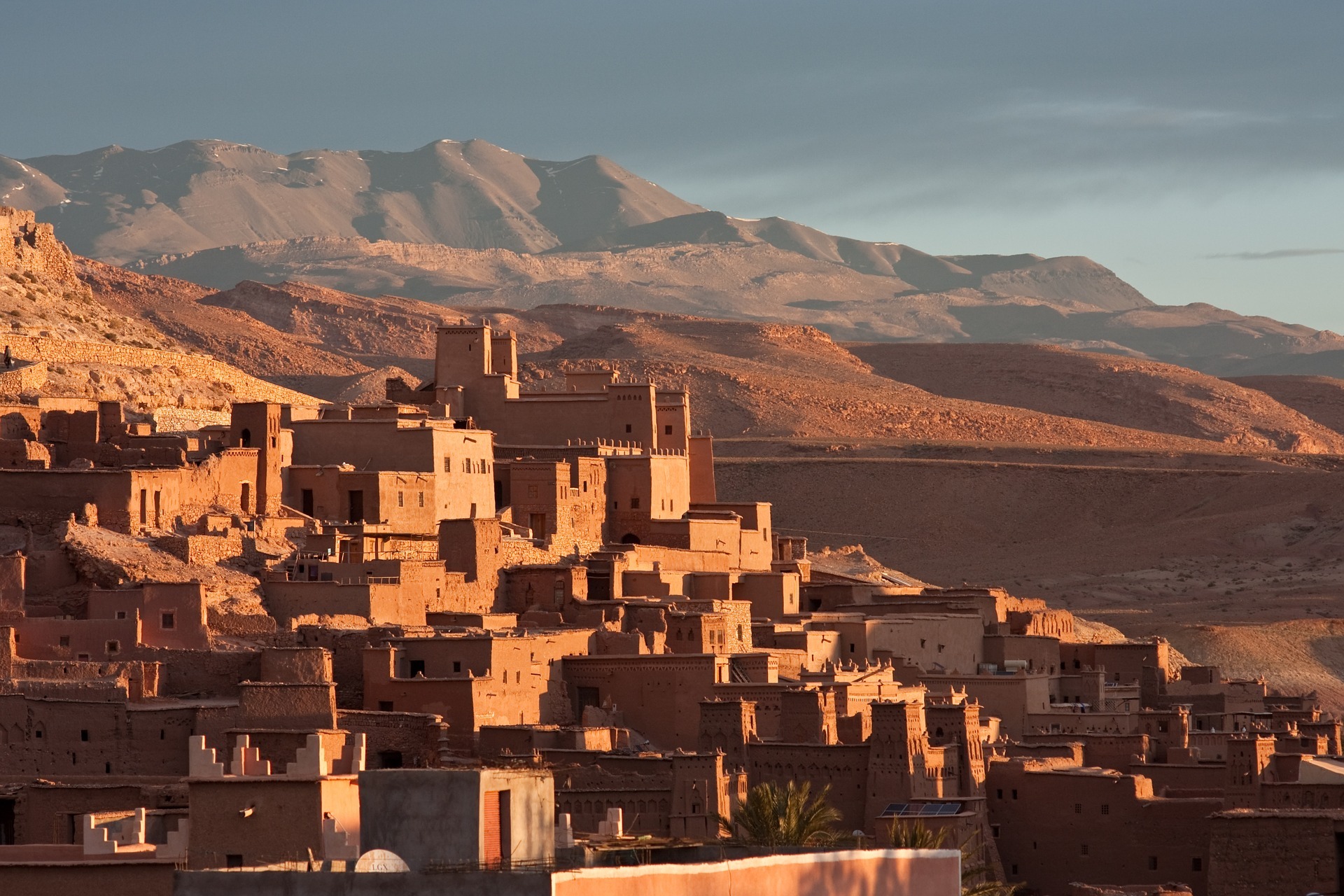
Ait Ben Haddou is a fortified village (ksar) located 30 km northwest of Ouarzazate. Listed as a UNESCO World Heritage Site since 1987, it is one of the best-preserved examples of earthen architecture in the world. Films shot here include Lawrence of Arabia, Gladiator, The Mummy, and Game of Thrones.
No visit to Ouarzazate is complete without seeing Ait Ben Haddou. This fortified mud-brick village perched above the dry Ounila River bed is simultaneously a living archaeological site and one of the most photographed places in Africa. Despite its fame, it manages to feel genuinely ancient wander far enough into the upper reaches of the ksar and you will find crumbling towers and cool, shaded passageways completely free of other tourists.
Entry to the site itself is free, but expect to be approached by local guides offering tours for 100–150 MAD. For a first visit, a guide is genuinely worthwhile they explain the construction techniques, the social hierarchy embedded in the architecture, and the stories behind specific buildings that you would otherwise walk straight past.
Allow at least 2–3 hours. Mornings before 10am are the best time to visit: cooler temperatures, beautiful light, and far fewer coach tours. The small village on the far bank has several good café terraces where you can sit with a mint tea and look back at the ksar in the afternoon light one of Morocco’s finest views.
Practical info: 30 km from Ouarzazate (30-minute drive). Free entry. Guides: 100–150 MAD. Open daily, best before 10am.

Right in the centre of Ouarzazate, the Taourirt Kasbah is the city’s most impressive monument and one of the finest examples of Berber architecture in Morocco. Built by the Glaoui tribe the powerful Berber family who controlled much of southern Morocco in the 19th and early 20th centuries this enormous complex of mud towers, connecting passageways, and intricately decorated reception rooms once housed over 300 families.
Today, part of the kasbah has been restored by UNESCO and is open to the public as a museum. You can wander through the elaborate Arabic chambers on the upper floors, marvel at the geometric plasterwork and painted cedar ceilings, and climb to the rooftop terrace for sweeping views across the city and surrounding desert landscape. The contrast between the restored rooms and the crumbling, still-inhabited sections immediately adjacent gives you a sense of how lived-in these structures really were.
Practical info: Located in the centre of Ouarzazate. Entry: approximately 20 MAD. Open daily 9am–6pm. Allow 1–1.5 hours.
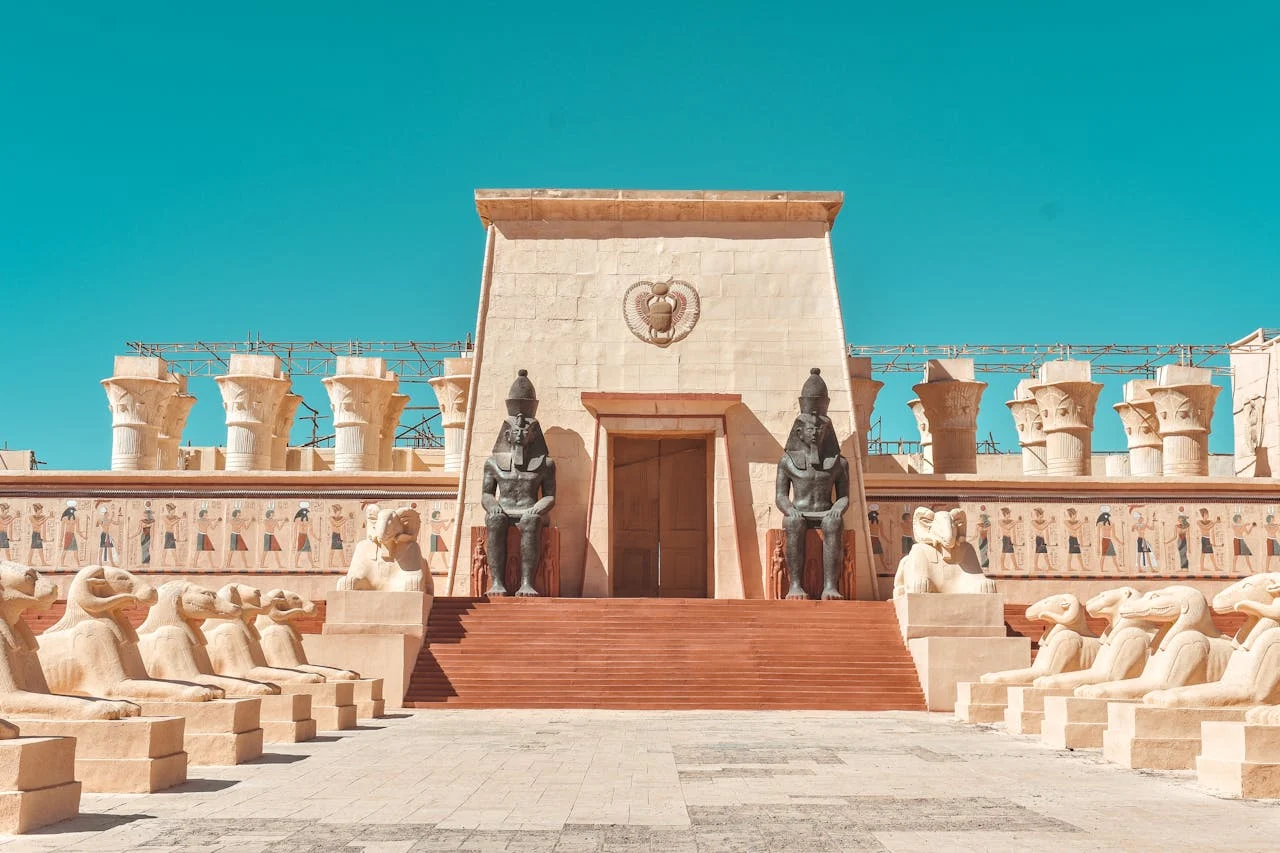
Ouarzazate has been called “Ouallywood” by locals – and with good reason. The city’s extraordinary natural landscape, near-constant sunshine, and dramatic architecture have attracted major productions for decades. The Atlas Corporation Studios, founded in 1983, is one of the largest film studios in the world outside Hollywood and the largest in Africa.
The studio tour takes you through life-size standing sets, including reconstructions of ancient Egyptian temples, Roman forums, and Tibetan monasteries – all built and used for specific productions. Films and series shot here include Lawrence of Arabia, The Living Daylights, Kundun, Gladiator, Kingdom of Heaven, Prince of Persia, Game of Thrones (the city of Yunkai), and The Last Temptation of Christ, among many others. For film fans, it is genuinely thrilling to stand in locations you recognise from the screen.
Practical info: Located 5 km from central Ouarzazate on the road towards Marrakech. Entry: approximately 50 MAD for the studios. Open daily. Allow 1–2 hours. A guide from the studio dramatically improves the experience.
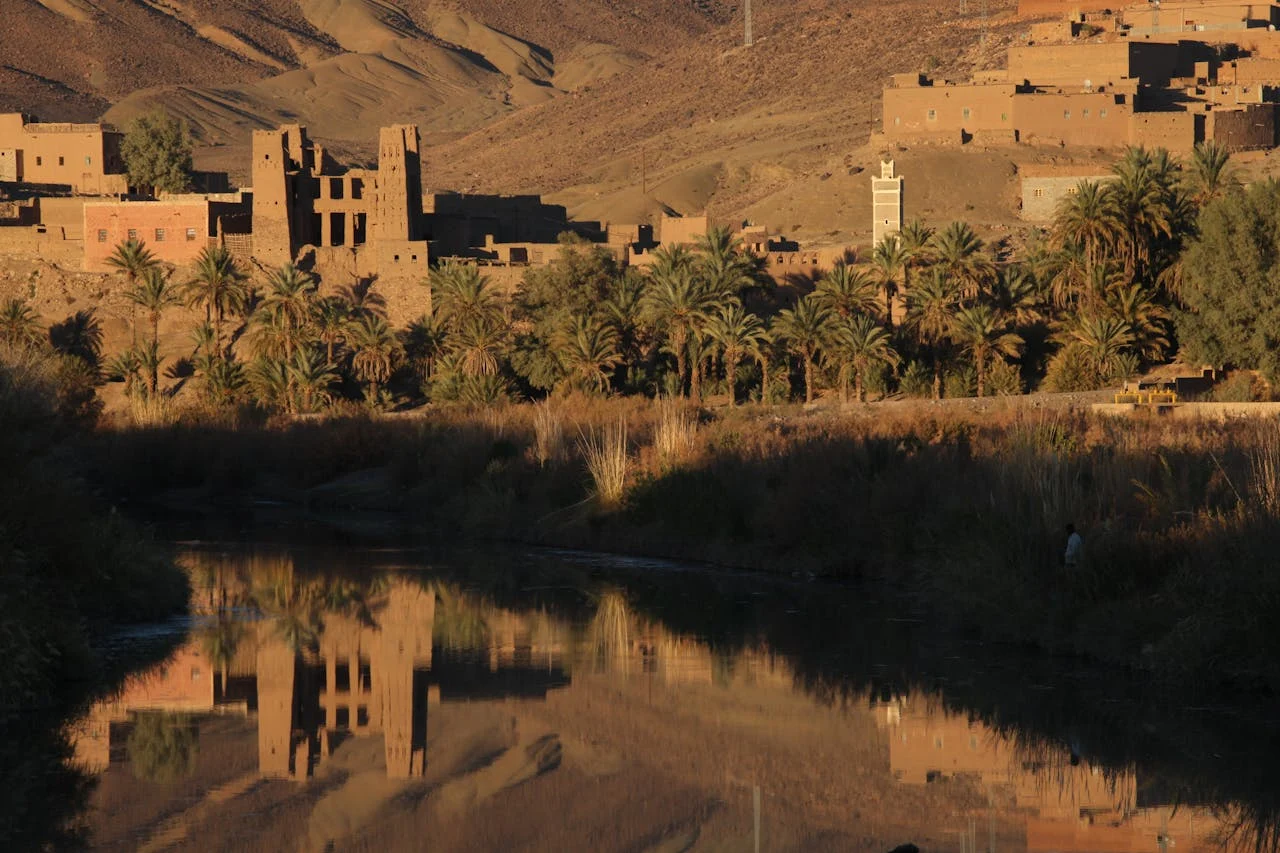
Stretching southeast from Ouarzazate towards the Sahara, the Draa Valley was once the most important trade route in Morocco – the road along which gold, salt, and enslaved people moved between sub-Saharan Africa and the Mediterranean world. Today, the 200-kilometre route to Zagora passes through an almost uninterrupted sequence of date palm oases, mud-brick kasbahs, and traditional Berber villages.
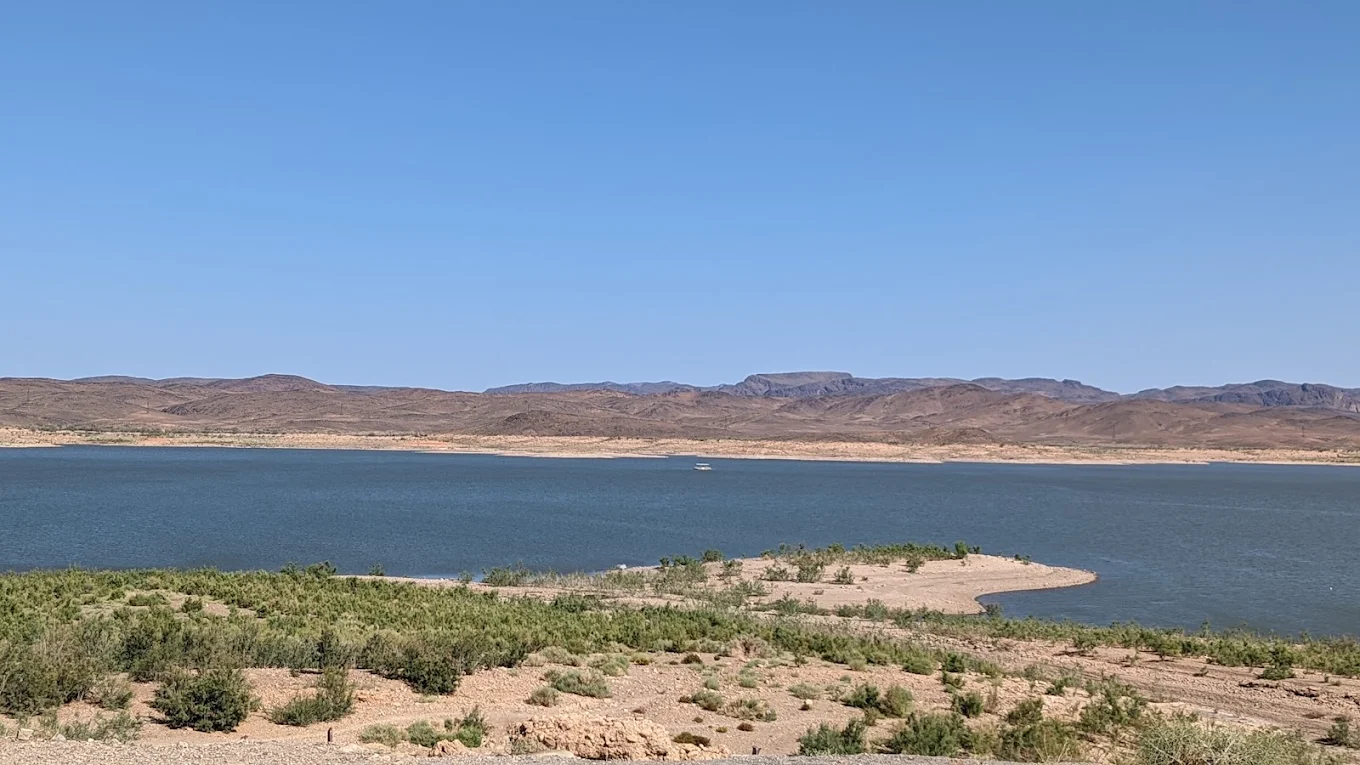
The construction of the Mansour Eddahbi Dam outside Ouarzazate changed the valley’s water dynamics permanently, reducing the Draa River to a seasonal trickle in places. But the landscape it created – the reservoir itself is beautiful, and the date palms remain – is still extraordinary. Road trips down the Draa Valley are among the most atmospheric in Morocco.
If time allows, push as far as Agdz (75 km) or Zagora (165 km), both excellent overnight bases. The journey itself, lined with ancient kasbahs at almost every bend, is the main attraction.
Heading northeast from Ouarzazate into the High Atlas foothills, the Dades Valley is a geological marvel. The Dades River has carved a deep gorge through the red and ochre rockface over millennia, creating one of the most dramatic landscapes in all of Morocco. The road through the gorge narrows in places to a single lane, passing beneath overhanging cliffs and through tiny Berber villages where locals dry their figs and almonds on rooftop terraces.
The valley is particularly famous for its rose harvest in late April and early May, when the villages around El Kelaa des Mgouna (about 50 km from Ouarzazate) produce vast quantities of Damask rose for Morocco’s fragrance industry. The rose festival in May is one of the most colourful local events in southern Morocco.
The gorge proper starts near the town of Boumalne Dades (about 113 km from Ouarzazate) and is best explored by driving the winding gorge road as far as the “monkey fingers” rock formations volcanic columns that rise like outstretched hands from the valley floor. See our full guide to exploring Todgha Gorge and Tinghir for what to combine this with on a longer southern road trip.
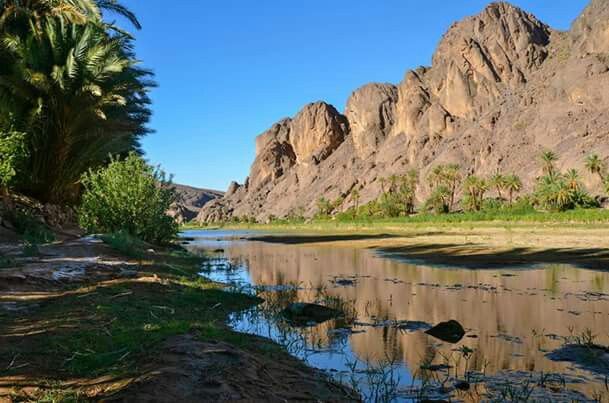
Just 12 kilometres from the city centre, the Fint Oasis is one of those places that feels like it belongs to another world entirely. A lush green valley of date palms, almond trees and small Berber homesteads hidden within a dramatic rocky gorge, Fint is barely known outside Morocco which is precisely what makes it so special.
You can walk down into the oasis from the ridge road, following trails through the gardens and along the seasonal riverbed. The views looking back up at the crumbling rock walls and the palm canopy below are some of the most beautiful in the region. Several local families run small guesthouses and traditional lunches here. This is a genuine off-the-beaten-track experience, just minutes from a city with international hotel chains.
Practical info: 12 km from Ouarzazate centre. Best visited by car or with a local guide. No entry fee. Allow 2–3 hours for a comfortable visit including a walk and lunch.
The large lake created by the Mansour Eddahbi Dam, just east of Ouarzazate, attracts migratory birds in impressive numbers making it a surprise hit with birdwatchers. Greater flamingos, ruddy shelducks, and waders stop here on their Atlantic flyway migration, particularly in autumn. The reservoir’s still waters also provide a striking contrast to the surrounding desert, creating a surreal landscape that rewards early-morning photography.
The dam itself is not a tourist attraction per se, but the road running along the southern shore offers excellent viewpoints and access to the lake edges where birding is best.
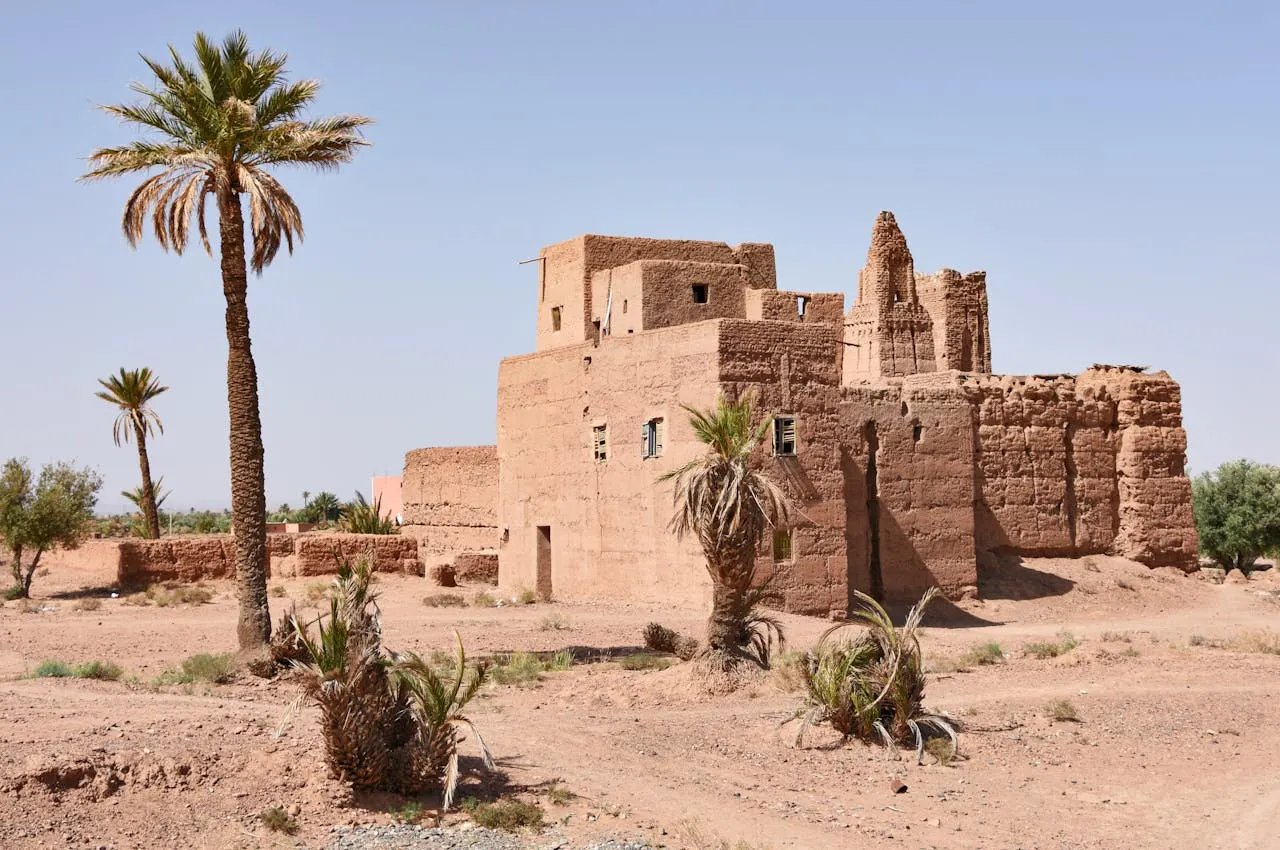
Located 42 kilometres east of Ouarzazate, the Skoura Oasis is often described as the valley of a thousand kasbahs and that is barely an exaggeration. This vast palm grove contains dozens of mud-brick fortresses, many still inhabited by the same families who built them centuries ago. The most famous is Kasbah Amridil, a photogenic fortress that features on the old 50 dirham note and dates back to the 17th century.
Skoura is perfect for exploration on foot or by bicycle. The dirt paths that wind between the palms and kasbahs are easy to navigate with a map, and the absence of tarmac keeps tour buses away entirely. You are likely to share these tracks with nothing more than a farmer on a donkey and the sound of roosters.
Just 8 kilometres from Ouarzazate, the Tifoultoute Kasbah is a classic example of southern Moroccan fortified architecture that once served as the residence of the local Glaoui chieftain. Like many of the kasbahs in this region, it was built from pisé rammed earth mixed with straw and pebbles and features the characteristic crenellated towers decorated with geometric patterns.
The kasbah was used as a filming location in Lawrence of Arabia and has since been converted into a restaurant and guesthouse. It is a quieter and less touristy alternative to Taourirt Kasbah for those who want to experience this type of architecture with more space to themselves.
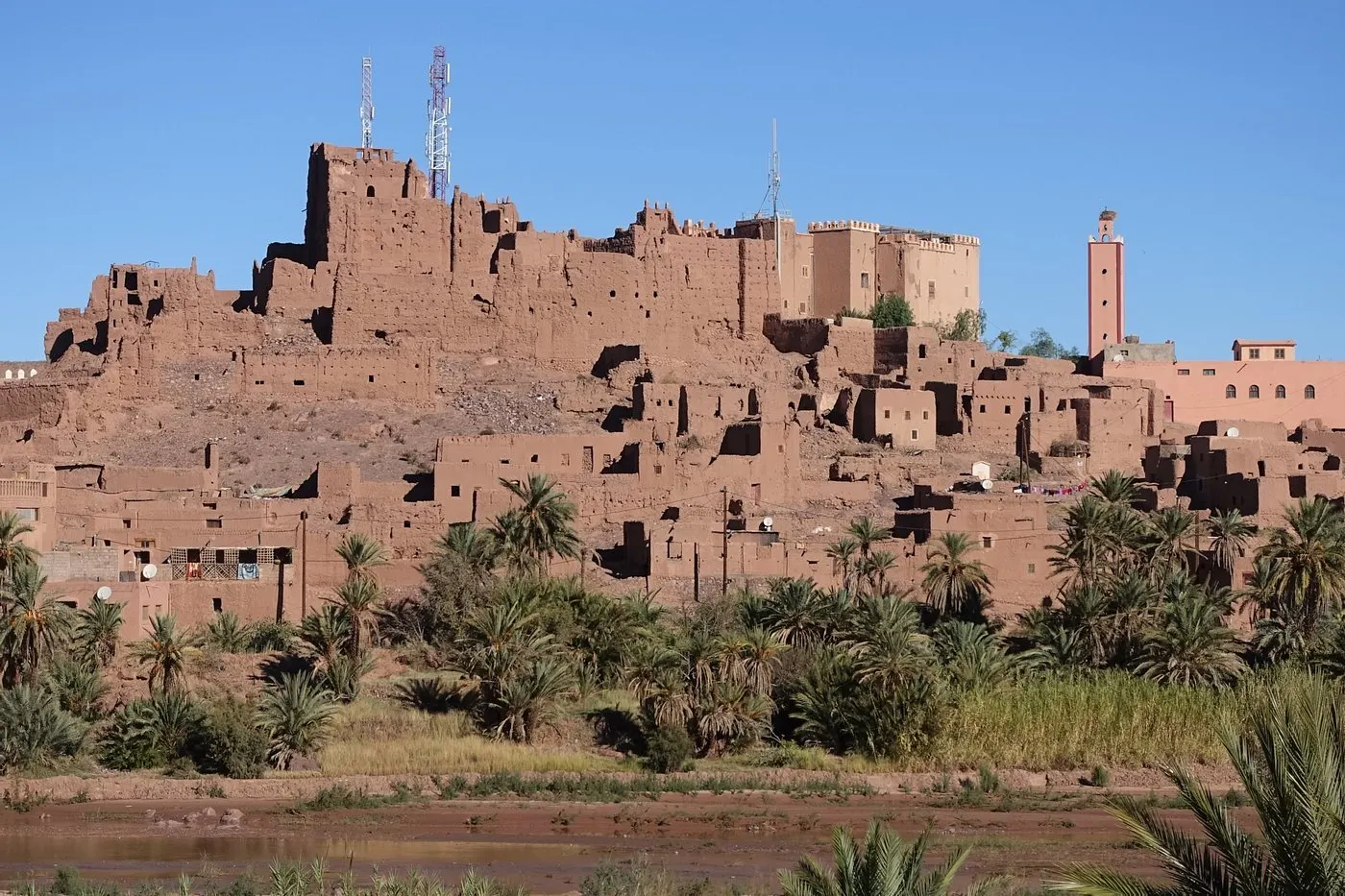
Ouarzazate does not have a labyrinthine medina like Fes or Marrakech, but its old quarter near Taourirt Kasbah has a genuine local character that is increasingly rare in heavily-touristed Moroccan cities. The streets here are lined with artisan workshops where you can watch craftspeople weaving Berber carpets, hammering silver jewellery, and carving wooden objects using techniques passed down through generations.
If you are lucky enough to be in Ouarzazate on a Sunday, the weekly souk draws Berber traders from the surrounding villages. Stalls overflow with saffron from Taliouine, dates from the valley, locally woven blankets, and second-hand everything. It is a world away from the tourist-focused souks of Marrakech people here are buying what they actually need, and the whole thing has an honest, unperformed quality that is a pleasure to walk through. For inspiration on what to look for, see our guide to traditional Moroccan foods and traditional Moroccan clothing.
If you only have one day in Ouarzazate whether as a day trip from Marrakech or as a single night stopover on a longer journey here is how to make the most of it:
7:00am — Ait Ben Haddou (early morning). Leave Ouarzazate early and arrive at Ait Ben Haddou before the coach tours. The morning light on the mud-brick towers is extraordinary, and you will have much of the site to yourself. Spend 2 hours exploring and have breakfast at one of the terrace cafés overlooking the ksar.
10:30am — Return to Ouarzazate: Taourirt Kasbah. Back in the city, visit the Taourirt Kasbah before the midday heat. One hour is sufficient for a thorough visit.
12:30pm — Lunch in the city centre. The streets around Taourirt Kasbah have several good traditional restaurants serving tagine and couscous for 60–100 MAD per person. The terrace of Restaurant Douyria is a reliable choice with good views.
2:00pm — Atlas Corporation Studios. After lunch, drive the 5 km to the film studios. Join a guided tour (approximately 1.5 hours) and walk through the enormous standing sets.
4:30pm — Fint Oasis (optional, for sunset). If energy allows, drive out to the Fint Oasis for a late afternoon walk and sunset views. Alternatively, explore the old medina quarter near Taourirt.
7:00pm — Dinner and evening in Ouarzazate. The city’s main boulevard (Avenue Mohammed V) has a pleasant evening atmosphere, with local families out for their evening walk. Dinner at a restaurant with a rooftop terrace as the stars emerge over the desert is one of the more memorable ways to end a day in southern Morocco.
Planning a longer trip through southern Morocco?
Combine Ouarzazate with Merzouga’s Sahara dunes, Todra Gorge, and the Draa Valley palmeraie on a circular route from Marrakech. See our complete Morocco trip itinerary guide for the full routing, timing, and logistics.
Ouarzazate is one of the more affordable cities in Morocco. Accommodation, food, and entry fees are all cheaper here than in Marrakech or Fes, and the absence of aggressive tourist pricing in most places makes budgeting straightforward. Here is what to expect:
| Expense | Budget | Mid-range | Comfort |
|---|---|---|---|
| Accommodation (per night) | 150–250 MAD guesthouse | 400–700 MAD riad | 800–1,500 MAD boutique hotel |
| Meals (per person) | 40–70 MAD (local café) | 80–150 MAD (restaurant) | 200–400 MAD (upscale) |
| Ait Ben Haddou entry | Free | + 100–150 MAD guide | + 200–300 MAD private guide |
| Taourirt Kasbah | ~20 MAD | ~20 MAD | ~20 MAD |
| Atlas Studios tour | ~50 MAD | ~50 MAD + guide | Private guided tour |
| Day trip from Marrakech | 80 MAD (CTM bus) | 800–1,200 MAD (private car) | 600 MAD+ (guided tour) |
A realistic budget day in Ouarzazate guesthouse, three meals, Taourirt Kasbah, and public transport to Ait Ben Haddou costs around 400–500 MAD (USD 40–50) per person. For budget travel advice across the country, see 11 things you must know before visiting Morocco.
Ouarzazate is a genuinely safe place to travel, and most visitors complete their time here without any incident of concern. That said, a few practical points are worth knowing before you arrive.
Unofficial guides known locally as “faux guides” are a reality across Morocco and Ouarzazate is no exception. They tend to congregate at the entrances to major sites, particularly Ait Ben Haddou and Taourirt Kasbah, and may persistently offer their services or attempt to lead you to specific shops for commission. The best response is a polite but firm decline. If you want a guide, book through a licensed agency in the city or through your accommodation.
Petty theft, such as bag snatching, is rare in Ouarzazate compared to larger Moroccan cities, but sensible precautions still apply: keep phones out of sight in busy areas, carry only what you need for the day, and use the safe in your accommodation for passports and extra cash.
Solo women travellers generally report Ouarzazate as more relaxed than Marrakech or Fes. The city is smaller and less intensely touristy, which means less hassle. Standard advice for women travelling alone in Morocco applies: dress conservatively, be confident and direct, and trust your instincts about situations. For comprehensive safety guidance, read our 7 essential tips for safe travel to Morocco.
Ouarzazate’s population is predominantly Berber (Amazigh), with a culture and set of customs that differ subtly from Arab Morocco. Understanding a few basics will make interactions warmer and your experience richer.
Dress codes in Ouarzazate are relatively relaxed by Moroccan standards this is a tourist city used to international visitors but dressing modestly (covered shoulders and knees) shows respect and reduces unwanted attention. This is especially true when visiting traditional villages, kasbahs, or any religious site.
The standard Moroccan greeting As-salamu alaykum (Peace be upon you) and its response Wa alaykum as-salam will earn you enormous goodwill. Even a basic effort at greeting in Darija or Tamazight is genuinely appreciated. Shukran (thank you) goes a long way.
Photography is generally well-tolerated in Ouarzazate, but always ask before photographing individuals, particularly women and elderly people. In the smaller villages around Ait Ben Haddou, it has become custom to offer a small payment (5–10 MAD) to anyone you photograph at close range. It is a reasonable exchange for the portrait and it directly supports local people.
If you are invited into someone’s home for mint tea this happens more in the south than elsewhere in Morocco accept graciously. It is a genuine gesture of hospitality and declining can cause offence. You are not obliged to buy anything afterwards, and the tea itself is always excellent.
Ouarzazate is ideally positioned as a hub for exploring the wider south of Morocco, and several world-class destinations are within a half-day’s drive:
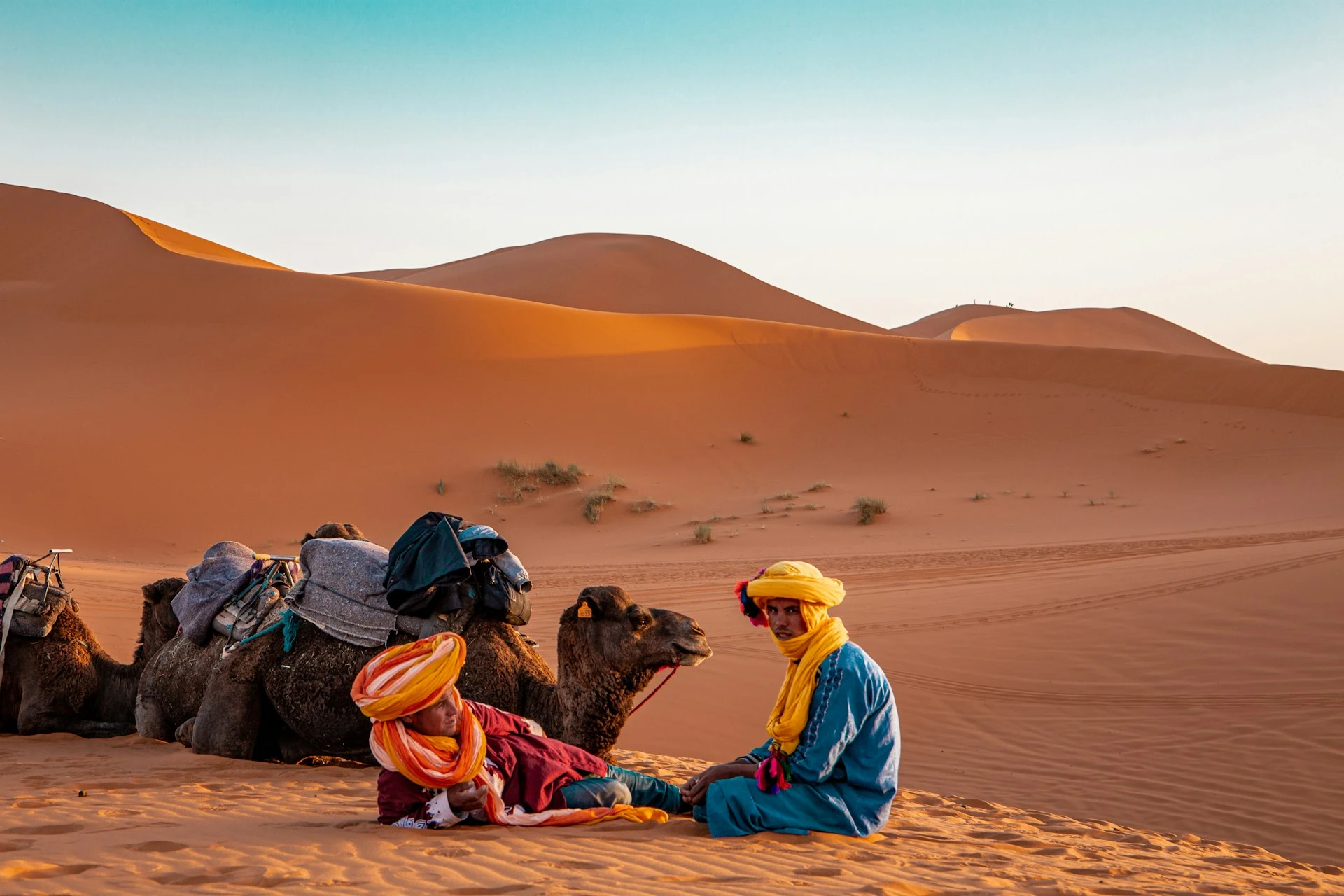
East towards the Sahara, the Draa Valley leads to Zagora, and beyond that, the dunes at Merzouga’s Erg Chebbi the tall, orange dunes most people picture when they think of the Moroccan Sahara. The drive from Ouarzazate to Merzouga (approximately 370 km) is long but passes through some of the most varied and dramatic terrain in Morocco.
Northeast, the route through Boumalne Dades and into Todra Gorge is one of the most popular excursions for travellers with their own transport. The gorge’s near-vertical rock walls, towering 300 metres above the river, are best seen in the mid-morning when the light reaches the canyon floor. See our complete guide to 3 days in Todgha Gorge and Tinghir for full routing and accommodation advice.
North back to Marrakech, the road over the Tichka Pass is just as spectacular in the reverse direction consider timing your departure to catch the mountain scenery in afternoon light. Marrakech itself offers an entirely different side of Morocco. Our guide to the best places to visit in Marrakech will help you plan those days. For the full picture of what Morocco’s varied cities offer, our cities guide for first-time travellers covers the complete comparison.
Yes, absolutely. Ouarzazate is one of Morocco’s most dramatic and rewarding destinations. Between the UNESCO-listed Ait Ben Haddou, the active Hollywood film studios, the ancient kasbahs, and the surrounding desert landscape, there is more than enough to fill two full days. Even as a day trip from Marrakech, the drive alone over the Tichka Pass makes it worthwhile.
The most popular route is by road over the Tichka Pass (Route N9) a 3–4 hour journey of approximately 200 km. Options include CTM bus (80–100 MAD), shared grand taxi (80–120 MAD per seat), private driver (800–1,200 MAD return), or self-drive rental car. Many travellers also book organised day trips from Marrakech.
Yes. Ouarzazate has very low violent crime and is considered safe by Moroccan standards. The main concerns are minor: unofficial guides at tourist sites and standard petty theft awareness. Solo travellers and women report it as one of the more relaxed cities in Morocco. Standard travel precautions are more than sufficient.
March to May and September to November offer the best combination of comfortable temperatures (20–28°C), manageable crowds, and good light for photography. Summer (June–August) is extremely hot, often exceeding 40°C. Winter is cold at night but clear and beautiful during the day.
Entry to the Ait Ben Haddou ksar is free. Local guides charge 100–150 MAD for a 1–2 hour tour, which is genuinely worthwhile for context and storytelling. Allow 2–3 hours total for a comfortable visit including photographs.
Yes, but it is rushed. A day trip gives you roughly 4–5 hours at the sites after the 3–4 hour drive each way. Most people who do the day trip wish they had stayed overnight. If you can manage a single night in Ouarzazate, the experience is dramatically better.
Ouarzazate works best as part of a wider Morocco itinerary. Explore our most useful planning resources below:
[ez-toc] Part of: The Complete Morocco Travel Guide Ouarzazate And Merzouga: Your Gateway to the Sahara If Marrakech is Morocco's gateway to adventure, Ouarzazate and...

Traditional Clothing of Morocco: The Complete Tourist Guide Morocco is a country where clothing tells a story. Every robe, slipper, and headscarf carries centuries of...
