Ultimate Marrakech Nightlife Guide: Bars, Clubs & Hidden ...
[ez-toc] The Ultimate Marrakech Nightlife Guide: Where to Experience the Magic After Dark Marrakech transforms as the sun sets, revealing a vibrant nightlife scene that...
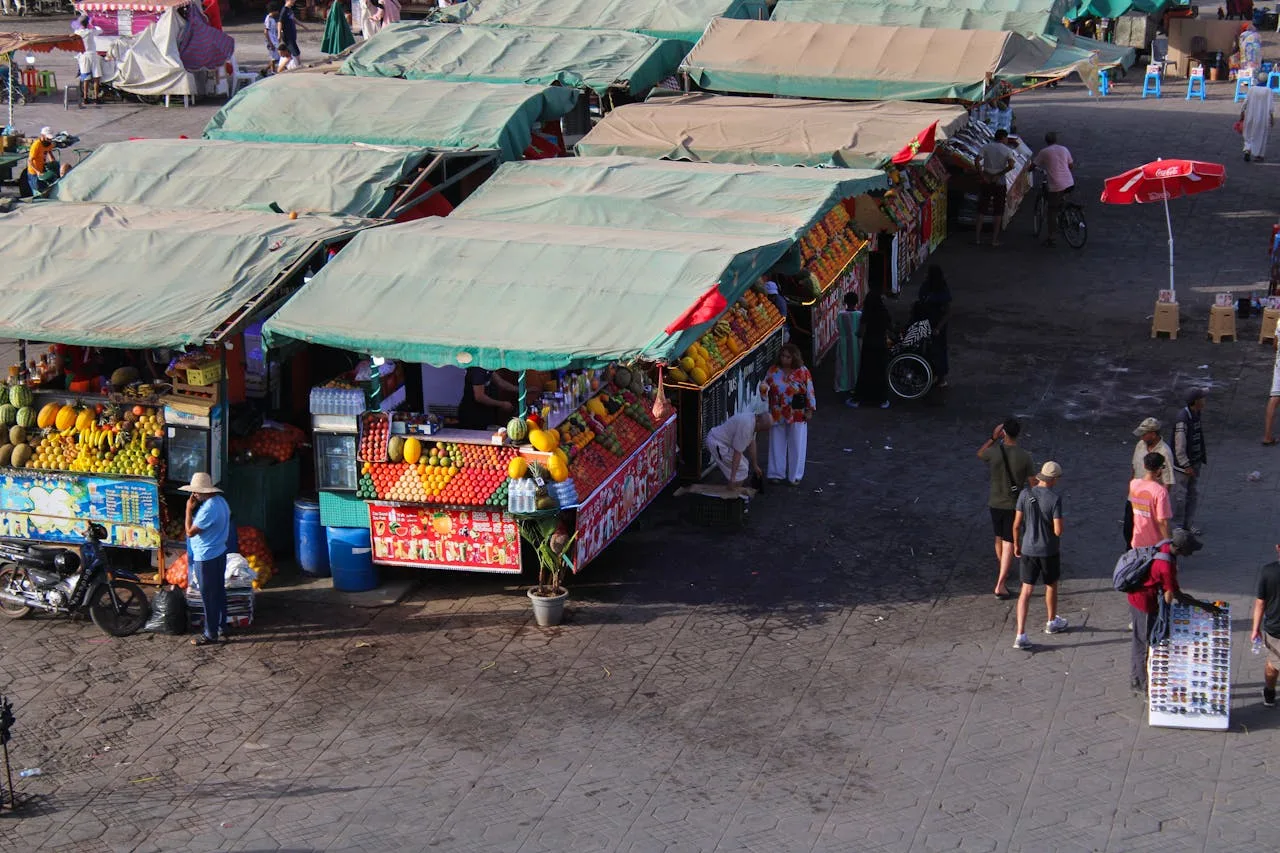
Discovering Marrakech doesn’t have to drain your wallet. The vibrant Red City offers countless ways to immerse yourself in Moroccan culture without spending a single dirham. From wandering through ancient medinas to relaxing in lush gardens, these free attractions in Marrakech deliver authentic experiences that often outshine paid tourist traps.
As local experts who’ve spent years exploring every corner of this enchanting city, we’ve compiled the ultimate guide to experiencing the best of Marrakech for free. Let’s dive into the cultural heart of Morocco without opening your wallet!
The ancient walled Medina of Marrakech is a UNESCO World Heritage site and the beating heart of the city. Simply walking through its labyrinthine streets costs nothing and offers one of the most authentic Moroccan experiences.
Follow the ochre-colored walls dating back to the 12th century and discover hidden architectural gems at every turn. The sensory overload of sights, sounds, and smells creates an immersive experience that no museum could replicate.
Local tip: Visit early morning (around 8 am) when shops are just opening to experience the Medina without crowds and enjoy cooler temperatures.
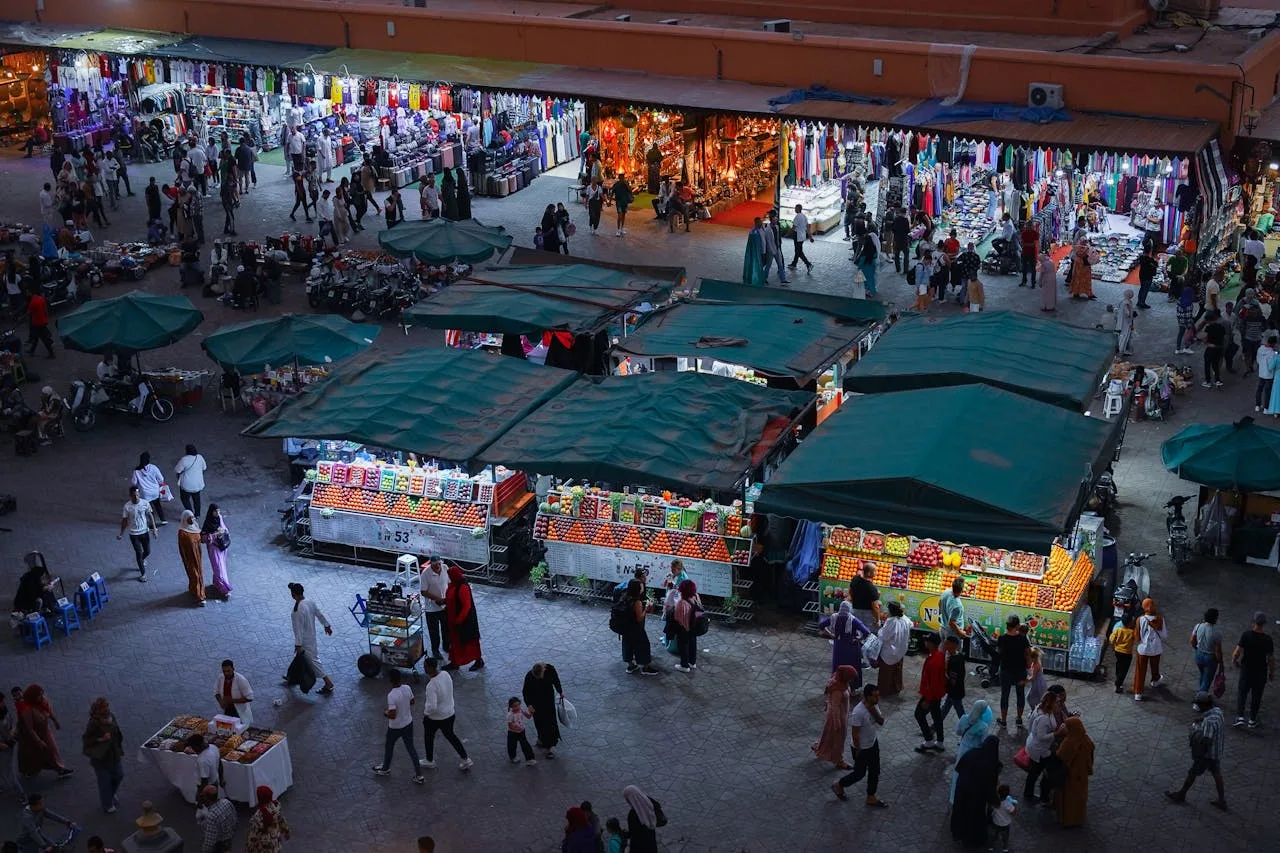
No visit to Marrakech is complete without experiencing Jemaa el-Fna, the famous central square that transforms throughout the day. By day, watch snake charmers, monkey handlers, and traditional water sellers in their colorful costumes.
As evening approaches, the square evolves into a massive open-air dining area with storytellers, musicians, and performers creating a carnival atmosphere. While food costs money, the entertainment and people-watching are completely free.
Best time to visit: Arrive about an hour before sunset to witness the magical transformation as food stalls set up and performers gather.
While entering this ancient Islamic college requires a ticket, you can admire its stunning entrance and exterior architecture for free. The intricately carved cedar, marble, and stucco showcase the pinnacle of Moroccan craftsmanship.
The surrounding area also offers excellent photo opportunities and a glimpse into traditional Moroccan educational institutions.
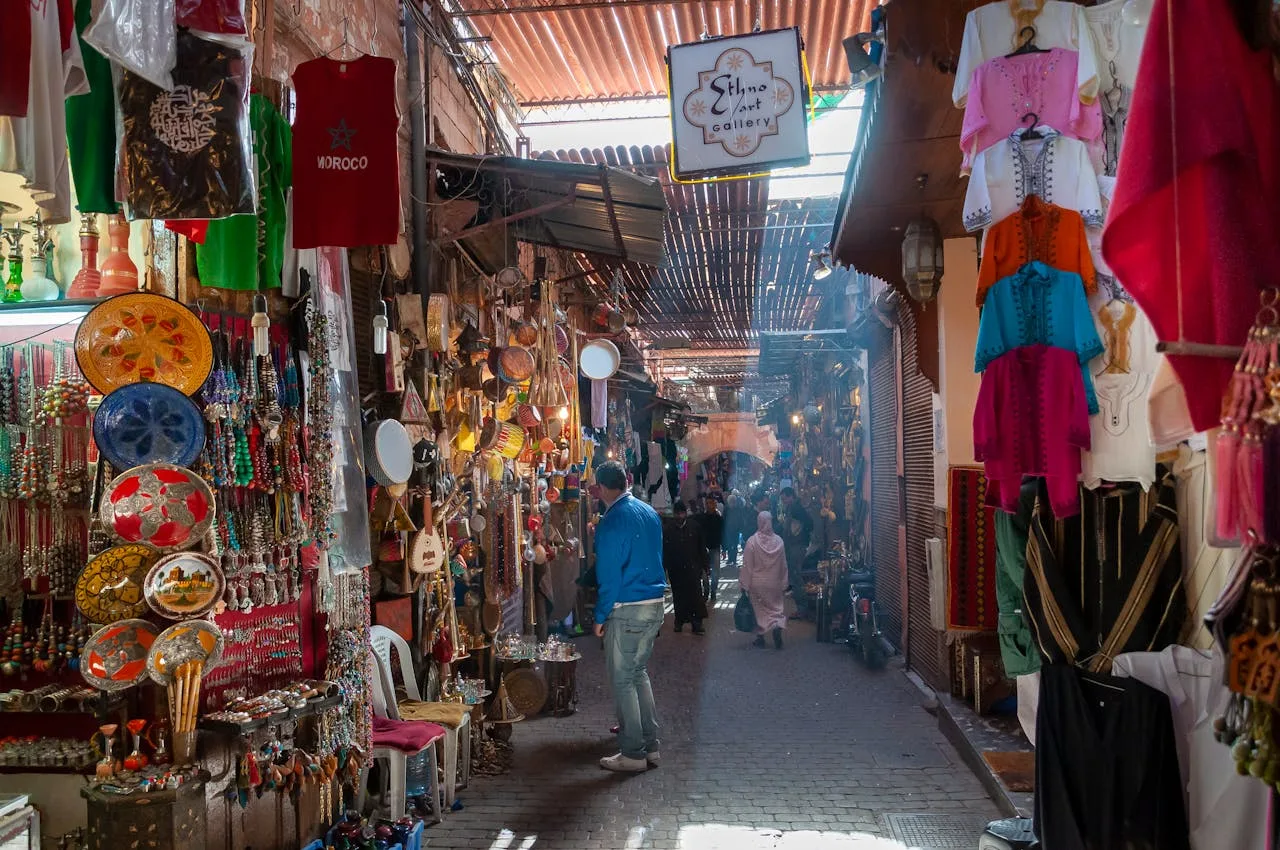
Marrakech’s famous souks (traditional markets) are a treasure trove of Moroccan crafts, spices, textiles, and jewelry. Window shopping through these vibrant marketplaces costs nothing and gives you insight into local commerce and craftsmanship.
Each section specializes in different products – from leather goods in Souk Smata to metalwork in Souk Haddadine. The dyers’ souk with its hanging, colorful yarns makes for particularly spectacular photos.
Cultural insight: Vendors expect bargaining, but don’t start negotiations unless you’re genuinely interested in purchasing. Respect their craftsmanship by not photographing goods without permission.
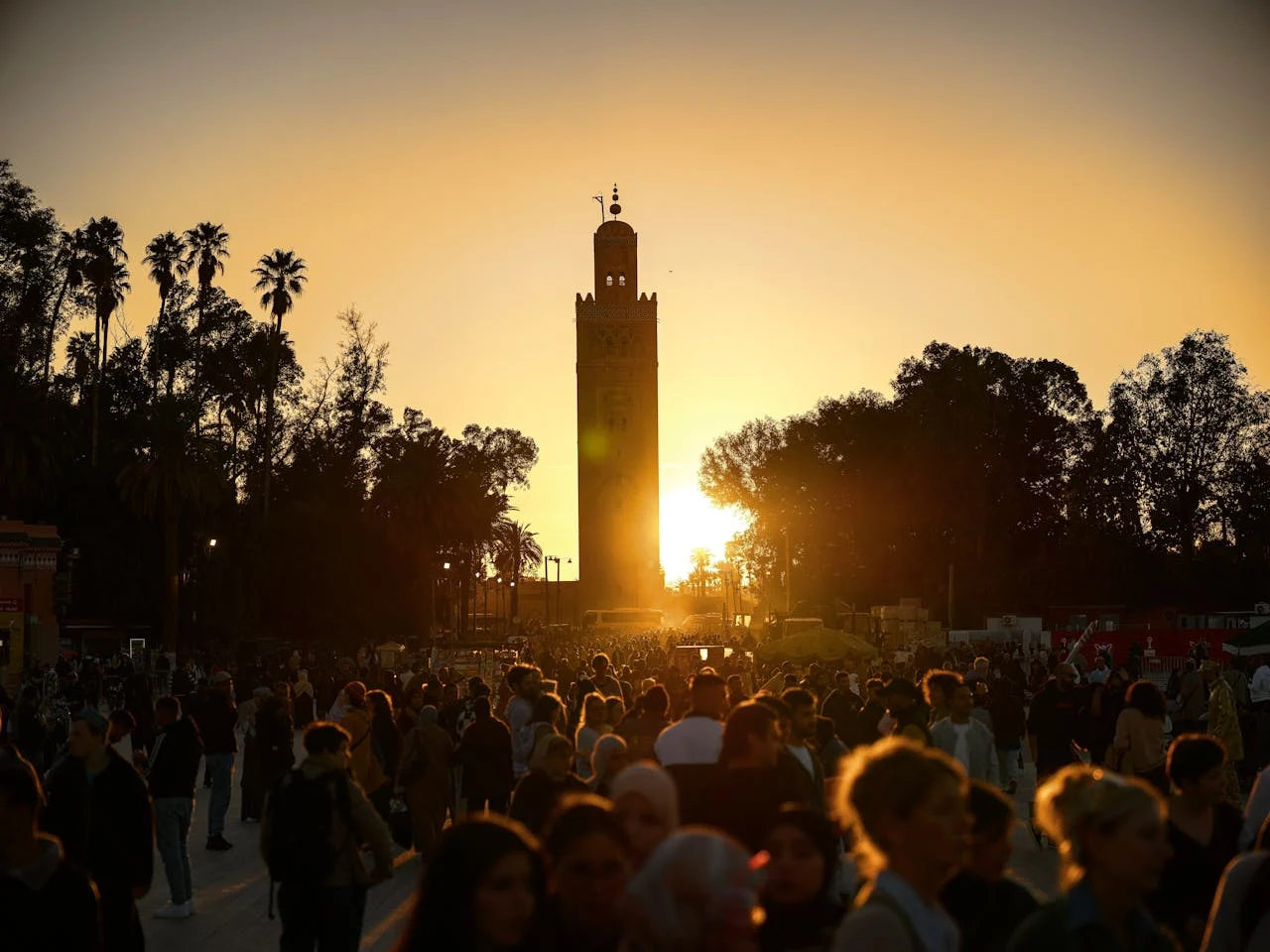
While non-Muslims cannot enter the mosque itself, the beautiful gardens surrounding Koutoubia Mosque are free and open to everyone. These well-maintained gardens offer perfect views of the mosque’s famous 12th-century minaret, Marrakech’s tallest structure.
The gardens provide a peaceful retreat from the city’s bustle with plenty of shaded benches. Visit at sunset when the call to prayer creates a magical atmosphere as the minaret is bathed in golden light.
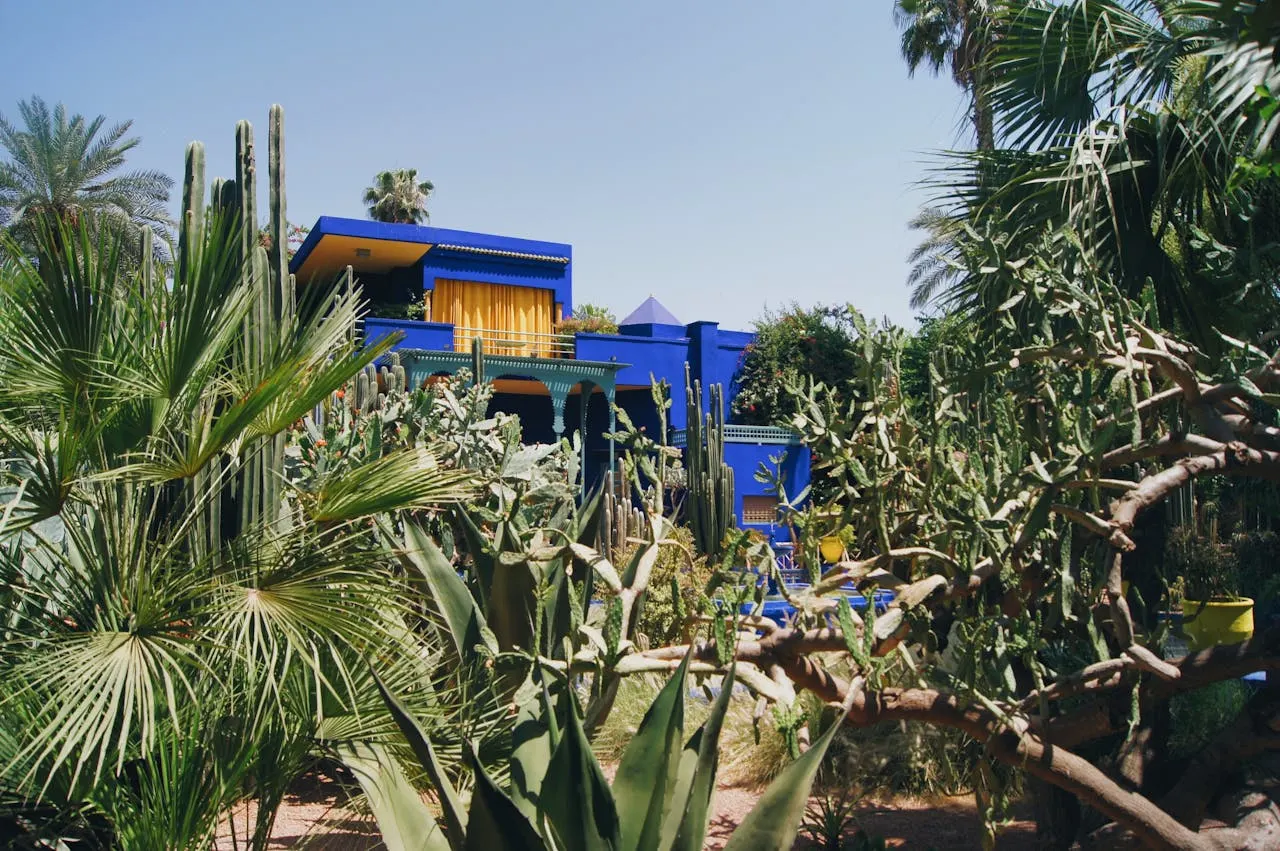
This lesser-known oasis near the Medina offers free WiFi (unusual for Marrakech public spaces), beautiful gardens, and a peaceful atmosphere. The Arsat Moulay Abdeslam Cyber Park combines traditional Moroccan garden design with modern technology.
Grab a spot under the orange trees, connect to the free internet, and plan your next adventure while enjoying this tranquil setting.
The historic Jewish quarter of Marrakech offers unique architecture and a glimpse into the city’s multicultural past. Distinctive features include balconies facing the street (unlike traditional inward-focused Moroccan homes) and the beautifully restored Slat Al Azama Synagogue.
The neighborhood’s spice markets and jewelry shops are also worth exploring, even if you’re just browsing.
Historical note: Marrakech’s Jewish population once numbered in the thousands but diminished significantly after the creation of Israel in 1948. The Mellah stands as a testament to Morocco’s diverse religious history.
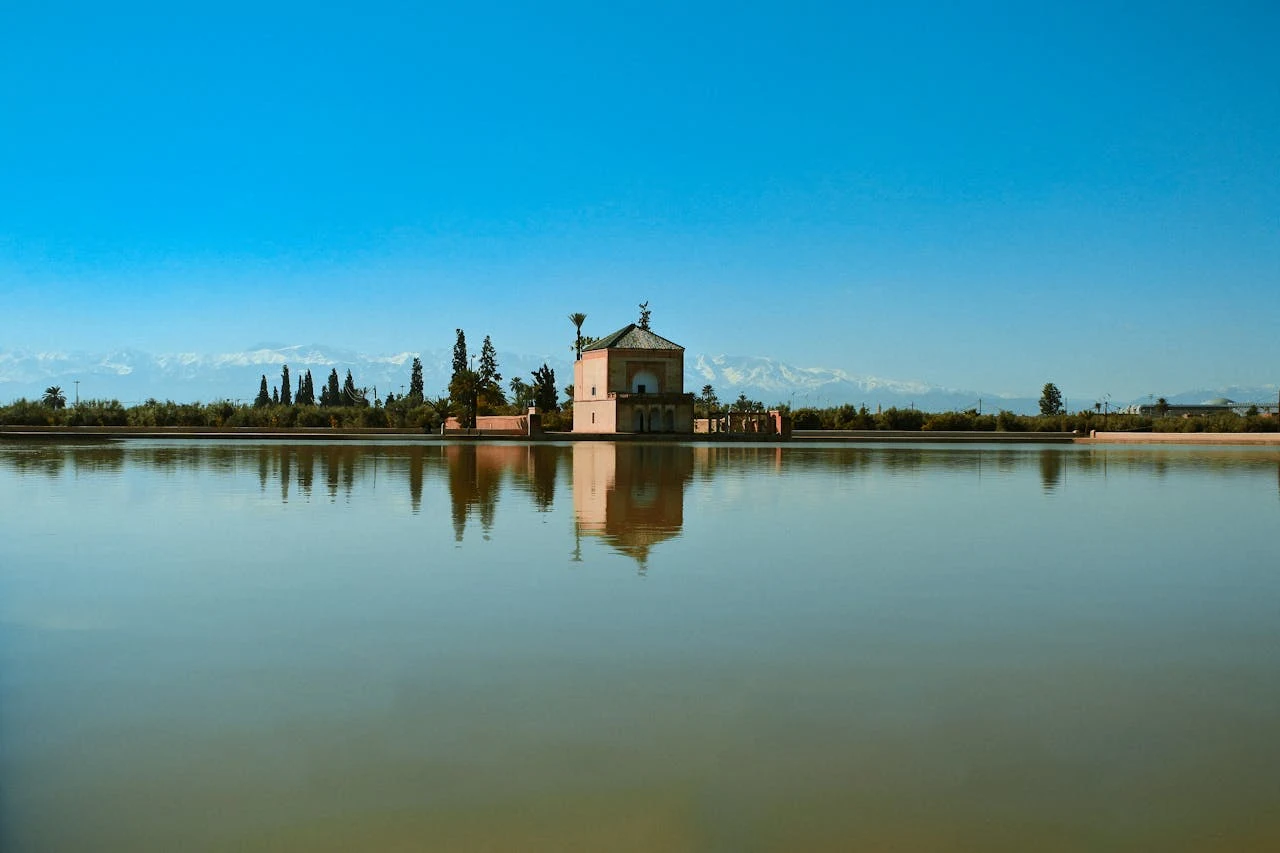
These historic gardens date back to the 12th century and feature a large reflective pool with the Atlas Mountains as a backdrop. The pavilion requires a small entrance fee, but wandering through the extensive olive groves is completely free.
Pack a simple picnic and enjoy the peaceful atmosphere away from the city’s hustle. The gardens are popular with local families, especially on weekends.
Marrakech’s modern neighborhood of Gueliz hosts surprising street art installations. Take a self-guided walking tour to discover colorful murals and contemporary art pieces that contrast with the city’s ancient architecture.
The area around Rue de la Liberté features several notable works, including pieces from the annual Marrakech Street Art Festival.
Many of Marrakech’s museums offer free admission on certain days. The Museum of Marrakech and the Berber Museum at Majorelle Garden occasionally offer free entry for residents and sometimes tourists during special cultural events.
Check with the Moroccan National Tourism Office or your riad host about upcoming free museum days during your visit.
This ornate gate is one of the nineteen gates of Marrakech and among the most beautiful. Dating from the 12th century, its intricate carvings and imposing presence are particularly spectacular at sunset when the stone glows warm amber.
The area around the gate offers excellent photo opportunities and connects to paths leading toward the Kasbah district.
Throughout the Medina, you’ll find community bakeries (farnatchi) where locals bring their homemade dough to be baked. These bakeries welcome curious visitors, and bakers are often happy to demonstrate their techniques.
Local tip: If you smile and ask politely, many bakers will let you watch the process and might even offer you a sample of fresh bread.
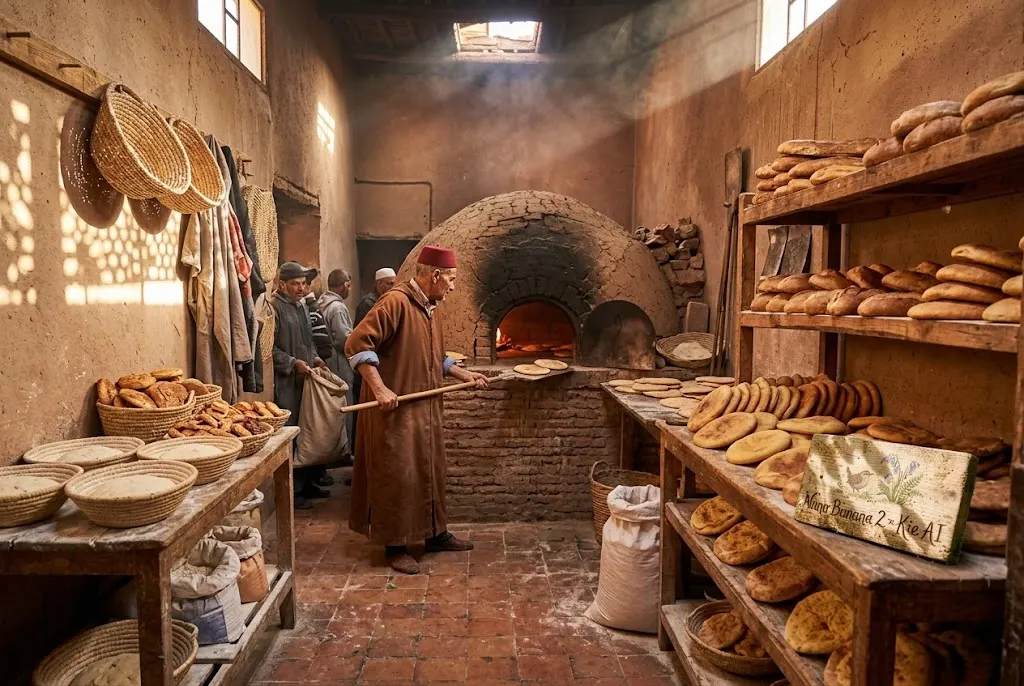
While not as famous as those in Fes, Marrakech’s tanneries offer a fascinating glimpse into traditional leather production methods unchanged for centuries. The best view is from surrounding terraces.
Warning: Be wary of unofficial “guides” offering to take you there. Some shopkeepers will offer mint leaves (to combat the smell) and viewpoints for free, though they’ll expect you to browse their leather goods afterward.
Throughout the year, Marrakech hosts various free cultural events, especially during festivals. Check notices at Café Clock, which often hosts free storytelling nights in English, or inquire at the tourist office about upcoming performances.
During Ramadan, many squares feature free evening musical performances after iftar (breaking of the fast).
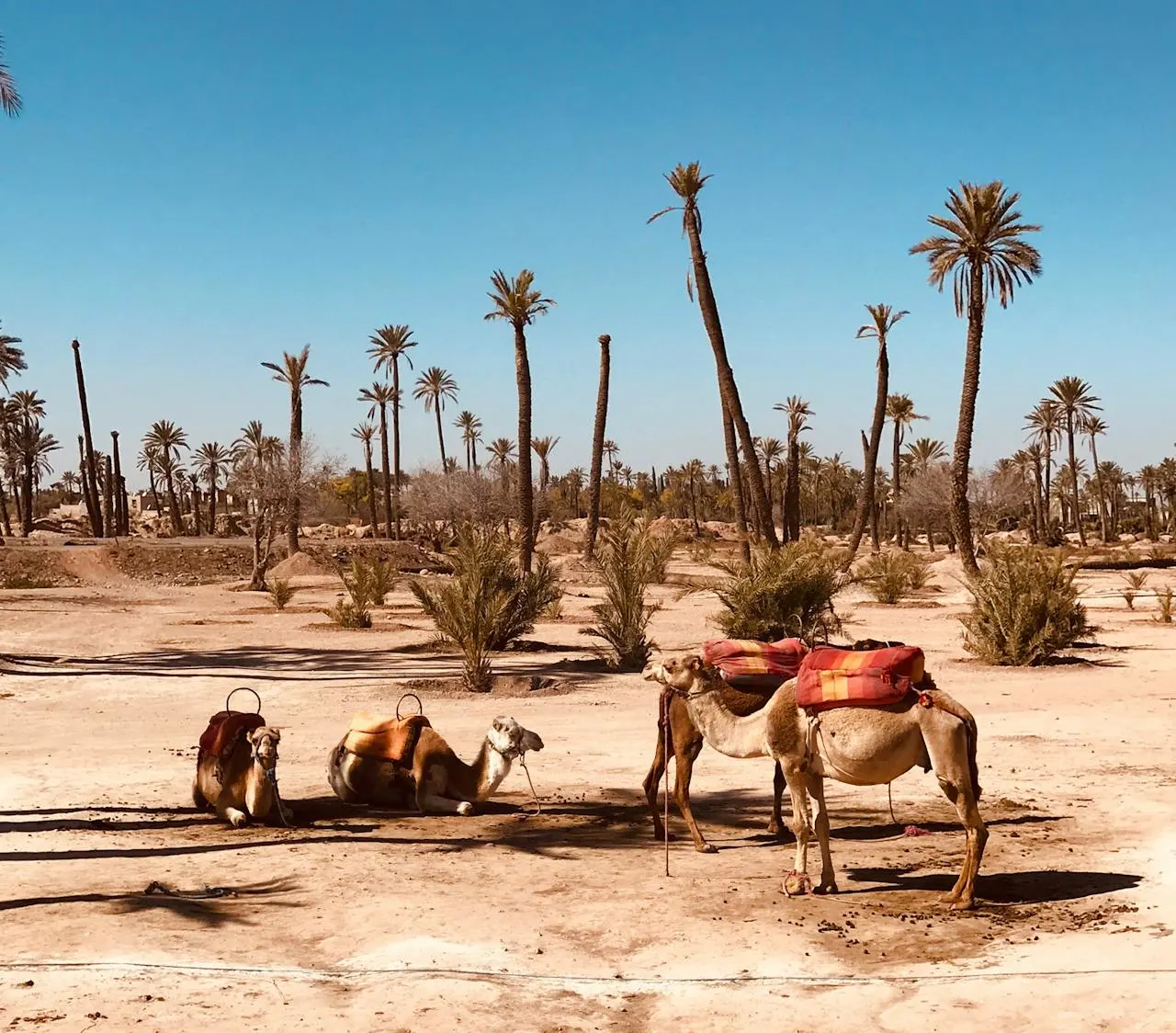
On the outskirts of Marrakech, the ancient palm groves (Palmeraie) offer a different landscape and a refreshing escape from urban intensity. While camel rides and quad biking require payment, walking through parts of the palm groves is free.
The area spans nearly 13,000 hectares with over 100,000 palm trees, creating a desert oasis atmosphere just minutes from the city center.
While enjoying these free activities, keep these budget tips in mind:
While exploring these free attractions, keep these safety considerations in mind:
For the most pleasant experience exploring Marrakech’s free attractions:
Marrakech proves that some of the most memorable travel experiences don’t require opening your wallet. By focusing on these free activities, you’ll not only save money but also discover the authentic cultural heart of this magnificent city. For more budget travel tips, check out our complete guide to Morocco on a budget.
Whether you’re wandering through ancient alleyways, relaxing in historic gardens, or soaking in the sensory overload of Jemaa el-Fna, Marrakech offers endless opportunities to experience Moroccan culture without spending a dirham. Combine these free attractions with our perfect 3-day Marrakech itinerary for the ultimate budget-friendly visit to the Red City.
Have you discovered other free gems in Marrakech? Share your experiences in the comments below!
Yes, Marrakech is generally safe for independent exploration, especially in daylight hours. Major free attractions like Jemaa el-Fna, the Medina, and public gardens are perfectly safe for self-guided visits. Download an offline map, dress modestly, and maintain normal travel awareness. The main challenge is navigation in the Medina, not safety.
The shoulder seasons of March-May and September-November offer the perfect combination of pleasant weather, fewer crowds, and lower accommodation prices. Avoid December and Easter holidays when prices peak. Summer months (June-August) often have the lowest accommodation rates, but temperatures regularly exceed 100°F/38°C, making sightseeing challenging.
Confidently decline unwanted guide services with a polite but firm “La shukran” (no thank you) and keep walking. Avoid eye contact or engaging in conversation with persistent individuals. Looking purposeful by consulting a map occasionally helps deter approaches. In the Medina, stick to main pathways initially, and explore smaller alleys once you’re comfortable with navigation.
Several free attractions are perfect for families. The Cyber Park offers shaded walkways and open spaces for children to play. The evening entertainment at Jemaa el-Fna fascinates children of all ages. The Menara Gardens provide ample space for kids to run around, and the various public squares throughout the Medina offer impromptu entertainment and people-watching opportunities that children typically enjoy.
[ez-toc] The Ultimate Marrakech Nightlife Guide: Where to Experience the Magic After Dark Marrakech transforms as the sun sets, revealing a vibrant nightlife scene that...

Discover the best day trips from Marrakech, from the Atlas Mountains and Ouzoud Waterfalls to Essaouira, Agafay Desert, and more.
Marrakech Medina Walking Guide: Navigating the Ancient Walled City Stepping into Marrakech's ancient Medina is like entering a living museum where centuries-old traditions thrive alongside...
