Ultimate Marrakech Nightlife Guide: Bars, Clubs & Hidden ...
[ez-toc] The Ultimate Marrakech Nightlife Guide: Where to Experience the Magic After Dark Marrakech transforms as the sun sets, revealing a vibrant nightlife scene that...
Planning the perfect 3-day Marrakech itinerary requires balancing iconic sights with authentic experiences. As Morocco’s most visited city, Marrakech offers a sensory feast of vibrant souks, majestic palaces, and tranquil gardens. This carefully crafted itinerary will help you maximize your time while avoiding tourist traps and discovering the soul of this ancient imperial city.
Having guided countless travelers through the Red City’s labyrinthine medina, I’ve created this practical day-by-day plan that combines must-see attractions with local secrets. Whether you’re a first-time visitor or returning to explore deeper, this itinerary ensures you’ll experience the best of Marrakech in just three days.
First time in Marrakech? We recommend reading our complete Marrakech Travel Guide before following this itinerary. You’ll find essential tips on where to stay, getting around, local customs, and practical advice to make your 3 days in Marrakech even more enjoyable.
Read our full Marrakech Travel Guide here: Marrakech Travel Guide
Before diving into the daily itinerary, here are some crucial tips to enhance your Marrakech experience:
Now, let’s dive into your perfect 3 days in Marrakech!
Begin your Marrakech adventure at the iconic Jemaa el-Fna, the city’s main square and beating heart. Arrive around 9:00 AM when the square is coming alive but not yet overwhelmed with crowds. Take time to observe the daily transformation as vendors set up stalls and street performers begin to appear.
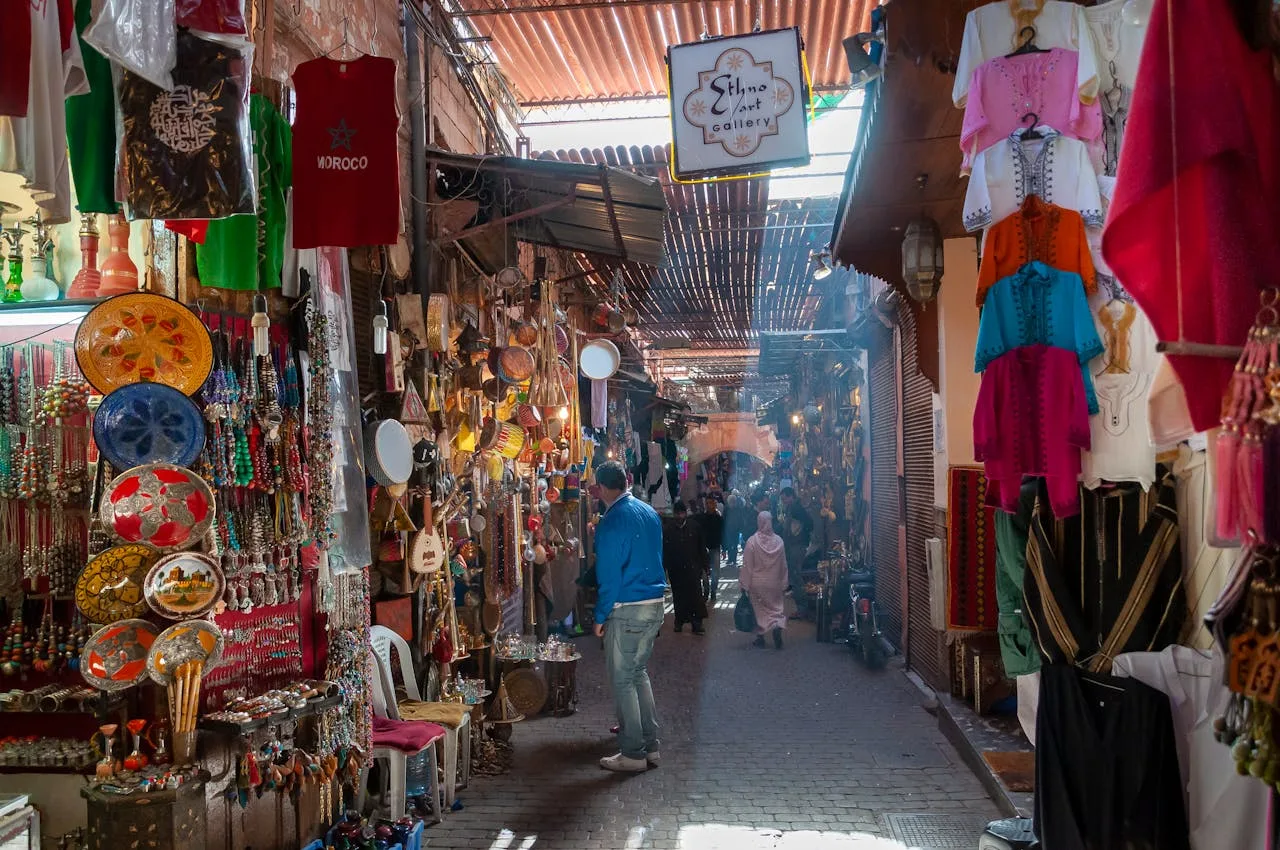
Next, venture into the labyrinthine souks (traditional markets) that branch north from the square. Rather than following a strict map, allow yourself to get pleasantly lost among the kaleidoscope of colors, scents, and sounds. The main arteries include:
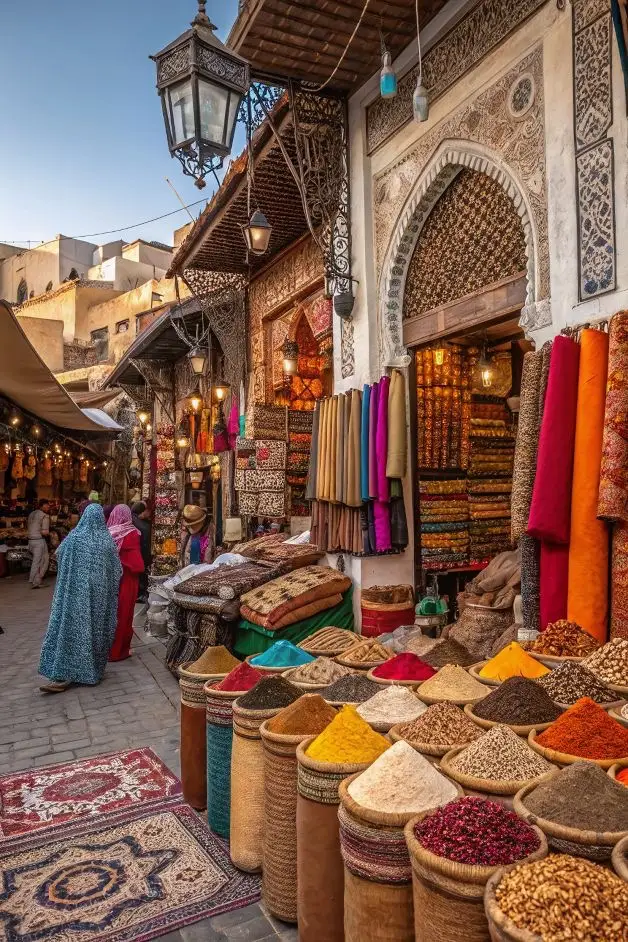
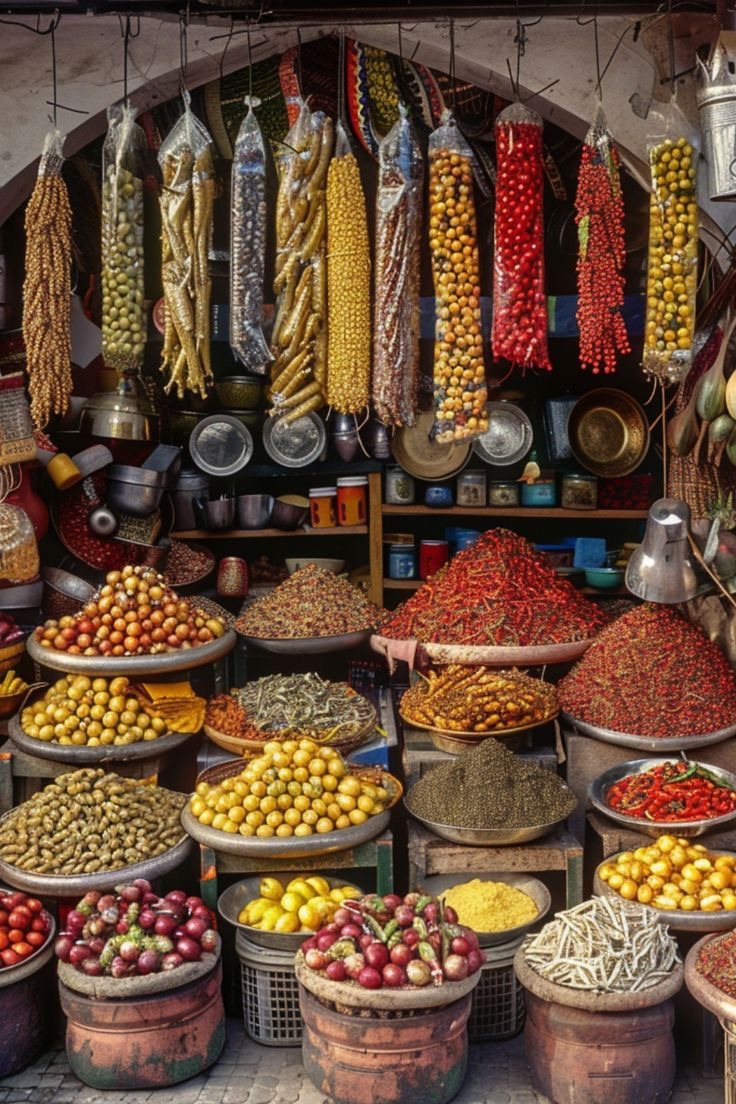
Local tip: Visit Souk Cherratine (the leather souk) early in the day before the smell intensifies in the afternoon heat. For the best photos without crowds, explore the smaller alleys rather than the main pathways.
After exploring the souks, cool off at the recently renovated Ben Youssef Madrasa, a 16th-century Islamic college featuring some of Morocco’s most stunning zellige tilework and carved cedar. Arrive around 11:30 AM to beat tour groups.
For lunch, escape the tourist traps around Jemaa el-Fna and head to Naranj, a hidden gem offering Lebanese-Moroccan fusion in a peaceful courtyard setting. Their fresh orange juice and mezze platters provide perfect midday refreshment.
After lunch, visit the lesser-known Le Jardin Secret, a recently restored palace garden that’s far less crowded than the famous Majorelle Garden. Its Islamic and exotic gardens showcase traditional Moroccan irrigation systems and offer a peaceful respite from the bustling medina.
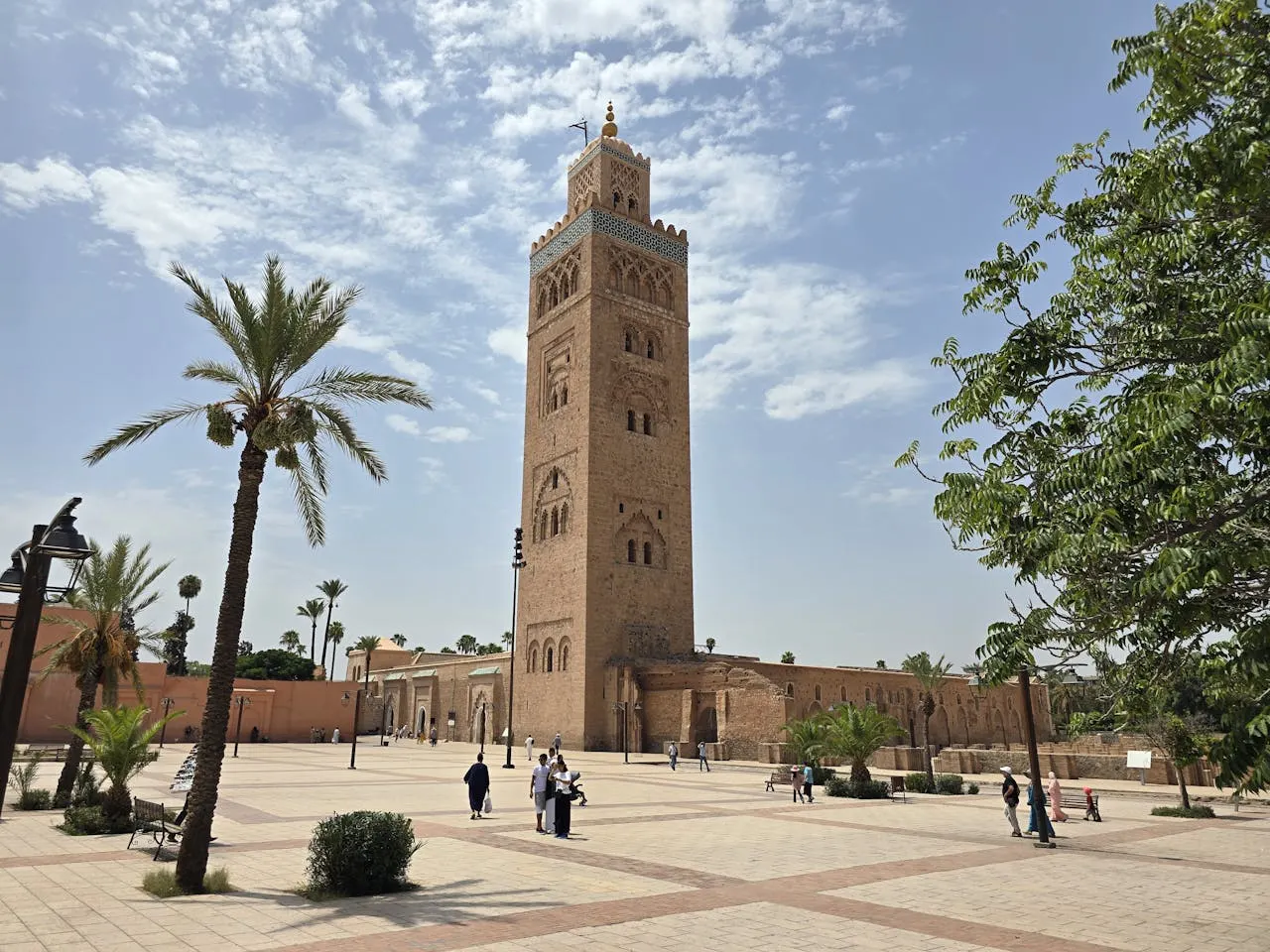
As afternoon transitions to evening, make your way to the Koutoubia Mosque, Marrakech’s largest mosque and most recognizable landmark. While non-Muslims cannot enter, the surrounding gardens provide perfect sunset views of its 77-meter minaret.
Return to Jemaa el-Fna to witness its dramatic evening transformation as food stalls emerge, storytellers gather crowds, and musicians fill the air with traditional sounds. Have dinner at one of the food stalls (look for #32 or #14, local favorites with the freshest seafood and tagines).
Safety tip: Keep valuables secure in evening crowds and politely decline offers from unofficial guides. For the best night photos, visit Café de France or Le Grand Balcon du Café Glacier for panoramic terrace views of the illuminated square (order just a mint tea for access).
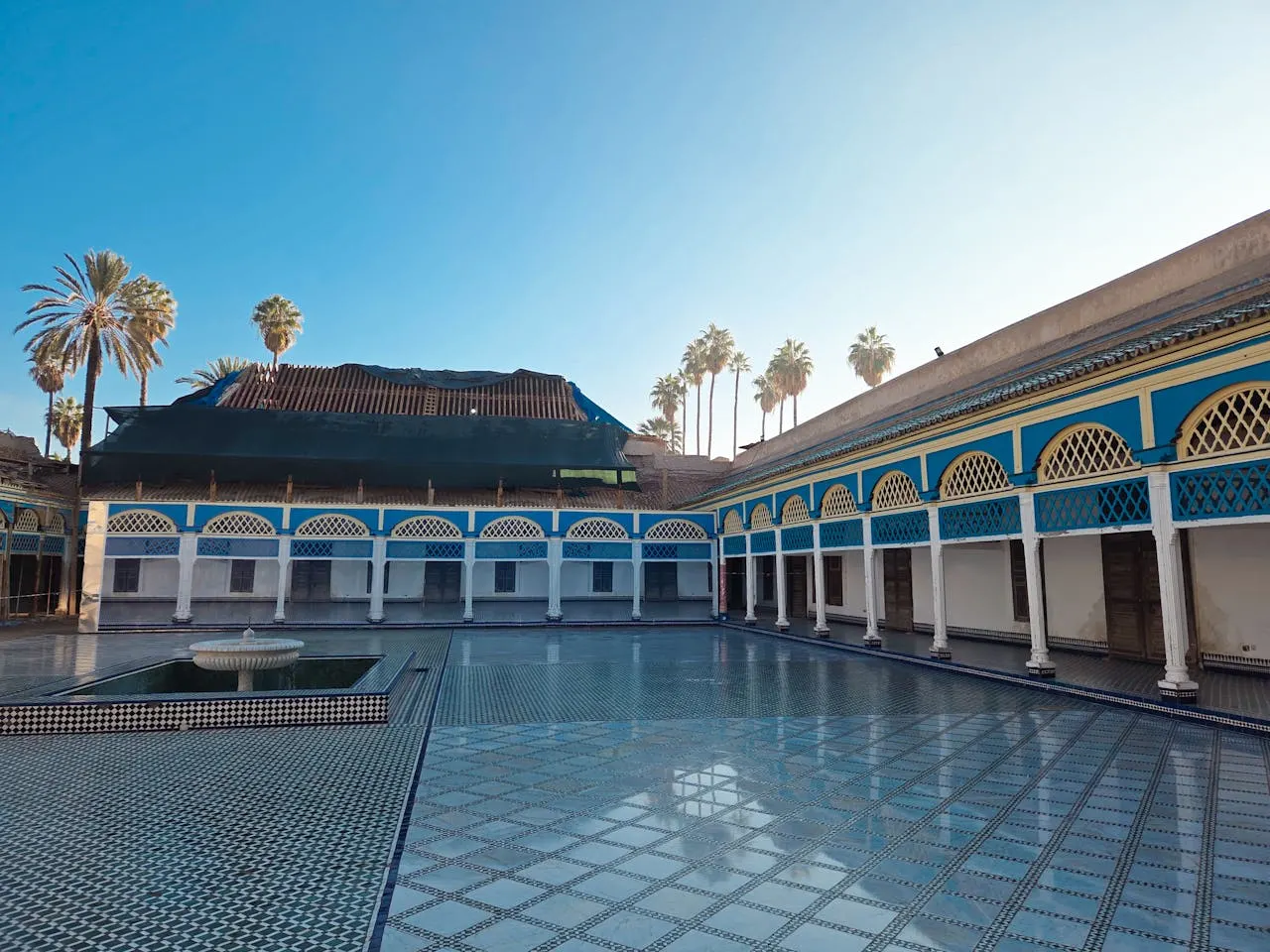
Start your second day at the opulent Bahia Palace, an extraordinary example of Moroccan architecture built in the late 19th century. Arrive right at opening time (9:00 AM) to admire its 150 rooms, intricate stucco, and peaceful courtyards before tour buses arrive.
A short 10-minute walk brings you to the Saadian Tombs, an elaborate royal necropolis dating to the 16th century but only rediscovered in 1917. The Chamber of the 12 Columns, with its Italian Carrara marble and honeycomb plasterwork, showcases the incredible craftsmanship of the era.
Photography tip: For the best lighting in the Saadian Tombs, visit before 11:00 AM when sunlight streams through the upper windows, creating magical light patterns.
Take a petit taxi to the fashionable Majorelle Garden in the Ville Nouvelle (New City). This enchanting botanical garden, created by French painter Jacques Majorelle and later owned by fashion designer Yves Saint Laurent, features electric-blue buildings, exotic plants, and a fascinating Berber museum.
Adjacent to the garden, visit the Yves Saint Laurent Museum, which showcases the designer’s connection to Marrakech through rotating exhibitions of his work. The building itself is an architectural marvel worth seeing.
For lunch, try NOMAD, a modern rooftop restaurant offering contemporary Moroccan cuisine with panoramic medina views. Their spiced lamb with couscous and roasted vegetables perfectly blends traditional flavors with modern presentation.
Spend the evening exploring Gueliz, the French-built new town that offers a striking contrast to the ancient medina. Browse contemporary art galleries like David Bloch Gallery and Voice Gallery, showcasing Morocco’s vibrant modern art scene.
For dinner, experience Al Fassia, a renowned restaurant run entirely by women serving authentic Moroccan cuisine. Their slow-cooked lamb shoulder and pastilla (savory-sweet pastry) are legendary among locals and visitors alike.
Local insight: After dinner, visit Comptoir Darna for a taste of Marrakech nightlife, featuring belly dancers and live music in an opulent setting. Reserve in advance and dress smartly.
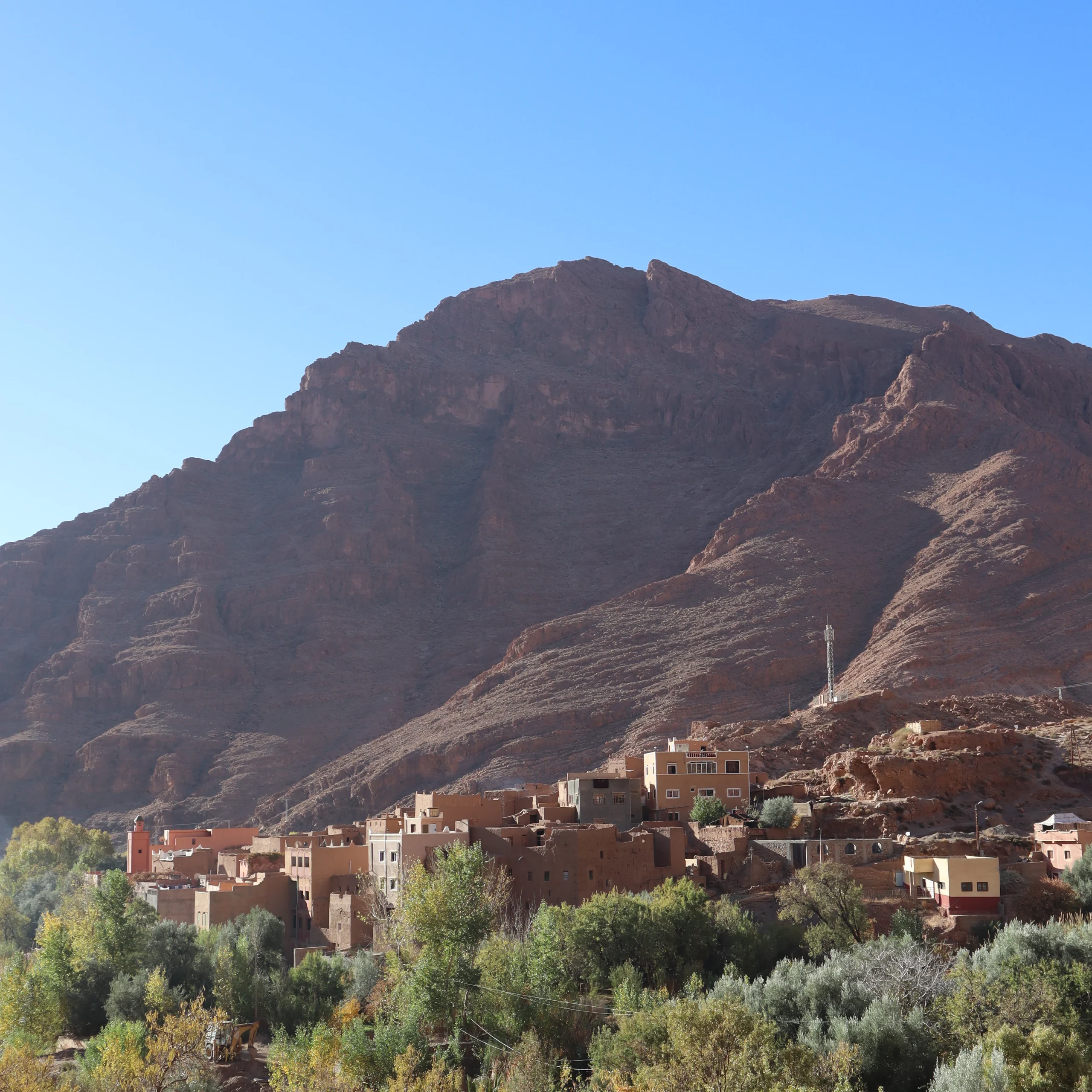
For your final day, choose between these two excellent options:
Escape the city heat and explore the breathtaking High Atlas Mountains just an hour from Marrakech. A day trip typically includes:
Booking advice: For the most authentic experience, avoid large tour buses and opt for a small-group tour (maximum 8 people) or private driver. Expect to pay 600-900 MAD ($60-90) per person for a quality small group tour with an English-speaking guide.
Alternatively, adventure seekers can book a guided Atlas Mountains trek for a more immersive experience with local Berber communities.
If you prefer to stay in the city, use your final day to discover places most tourists miss:
Start at Dar Si Said Museum, a sumptuous former palace housing Moroccan crafts and cultural artifacts with significantly smaller crowds than more famous sites.
Continue to the Maison de la Photographie, a beautiful riad displaying vintage photographs of Morocco from the 1870s to 1960s. Its rooftop café offers some of the medina’s best panoramic views – perfect for a coffee break.
For lunch, seek out Terrasse des Épices, a local favorite rooftop restaurant serving authentic Moroccan dishes in a relaxed setting.
In the afternoon, visit the Mouassine district, home to hidden historical gems including:
Shopping tip: For high-quality, fair-price souvenirs, visit Centre Artisanal or the women’s cooperative Al Nour, which supports local women with disabilities creating beautiful embroidery and textiles.
For your final evening, treat yourself to a traditional hammam experience at Hammam de la Rose or Les Bains de Marrakech. This steam bath ritual includes exfoliation with black soap and a relaxing massage – the perfect way to rejuvenate after days of exploration.
End your Marrakech adventure with a memorable dinner at La Maison Arabe or Dar Yacout, iconic restaurants offering refined Moroccan cuisine in stunning traditional settings. Both require reservations at least a day in advance.
Cultural insight: These traditional dinners often include folklore performances with gnaoua musicians and dancers, offering insight into Morocco’s rich cultural heritage.
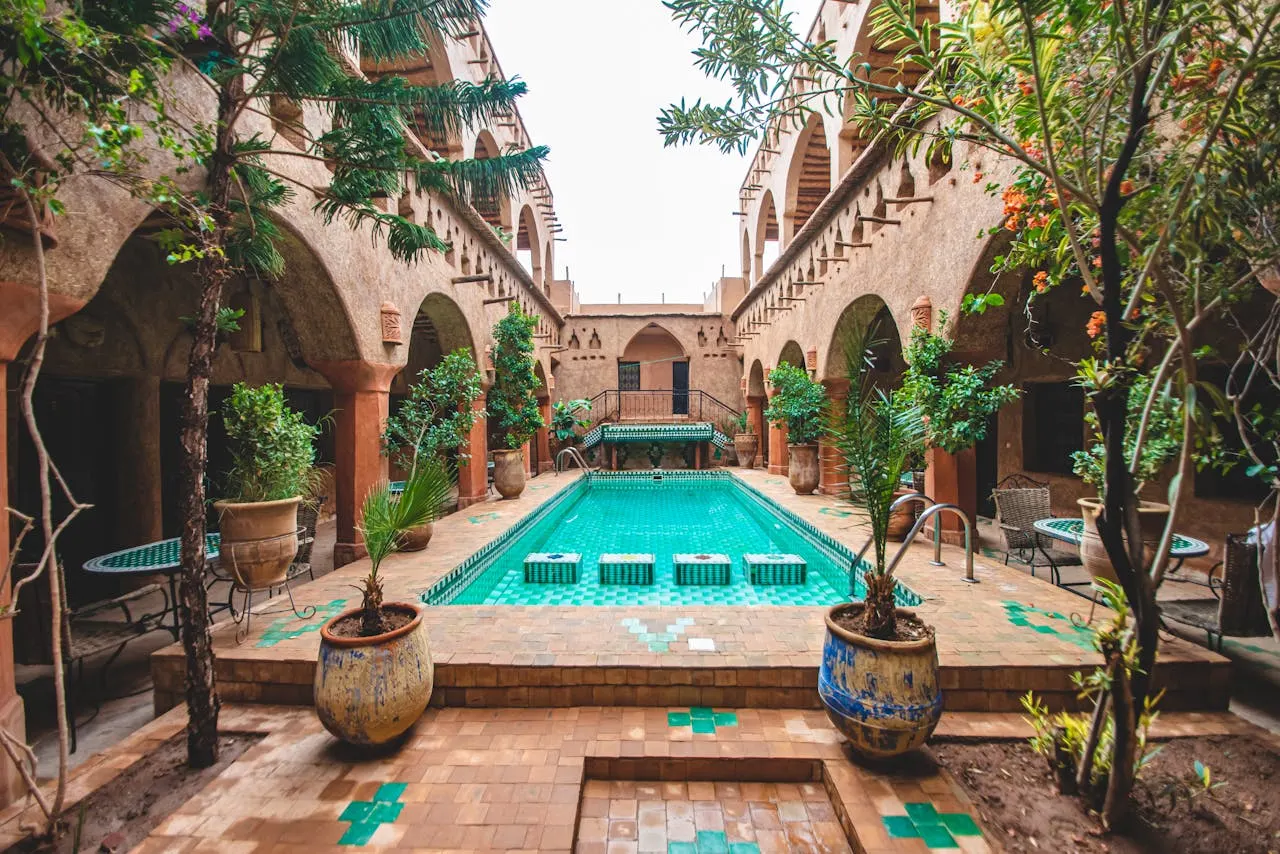
Your accommodation choice significantly impacts your Marrakech experience:
Learn more about Marrakech’s best neighborhoods and accommodations.
Marrakech is generally safe for tourists, but follow these precautions:
Language tip: Learn a few basic Arabic or French phrases – locals appreciate the effort and often respond with extra friendliness.
Marrakech’s climate varies dramatically throughout the year:
Consider timing your visit around local festivals like the Marrakech International Film Festival (November/December) or the Popular Arts Festival (July) for added cultural experiences.
Three days in Marrakech offers enough time to experience the city’s highlights while still allowing moments to simply absorb its unique atmosphere. Balance planned activities with unstructured exploration – sometimes the most memorable experiences come from wandering down an unmarked alley or accepting a shopkeeper’s invitation for tea.
This itinerary provides structure while leaving room for spontaneity. Adjust the pace based on your personal travel style, and don’t hesitate to modify plans if you discover something that particularly captivates you.
Marrakech rewards those who engage with all senses open – the fragrant spices, melodic calls to prayer, vibrant colors, and intricate textures create an unforgettable sensory tapestry that will stay with you long after you’ve returned home.
For travelers wanting to explore more of Morocco, consider extending your trip with our 10-day Morocco itinerary that includes Fes, Chefchaouen, and the Sahara Desert.
Yes, 3 days is sufficient to experience Marrakech’s highlights including the medina, major historical sites, gardens, and even a day trip to the Atlas Mountains. You’ll be able to see the main attractions without rushing, though you could easily spend a week exploring at a more leisurely pace.
April, May, October, and November offer the most pleasant weather for exploring Marrakech, with temperatures between 20-28°C (68-82°F). These months provide warm, sunny days without the extreme heat of summer or potential rain of winter.
Marrakech can be safe for solo female travelers with proper precautions. Dress modestly, walk confidently, avoid isolated areas after dark, and be prepared for occasional catcalling. Consider staying in a well-reviewed riad where staff can provide local guidance and assistance.
Avoid drinking tap water, accepting unsolicited help from “guides” in the medina, photographing people without permission, displaying expensive items openly, and entering religious sites if you’re non-Muslim (except those open to visitors). Also avoid tight deadlines in your schedule—things move at their own pace in Morocco.
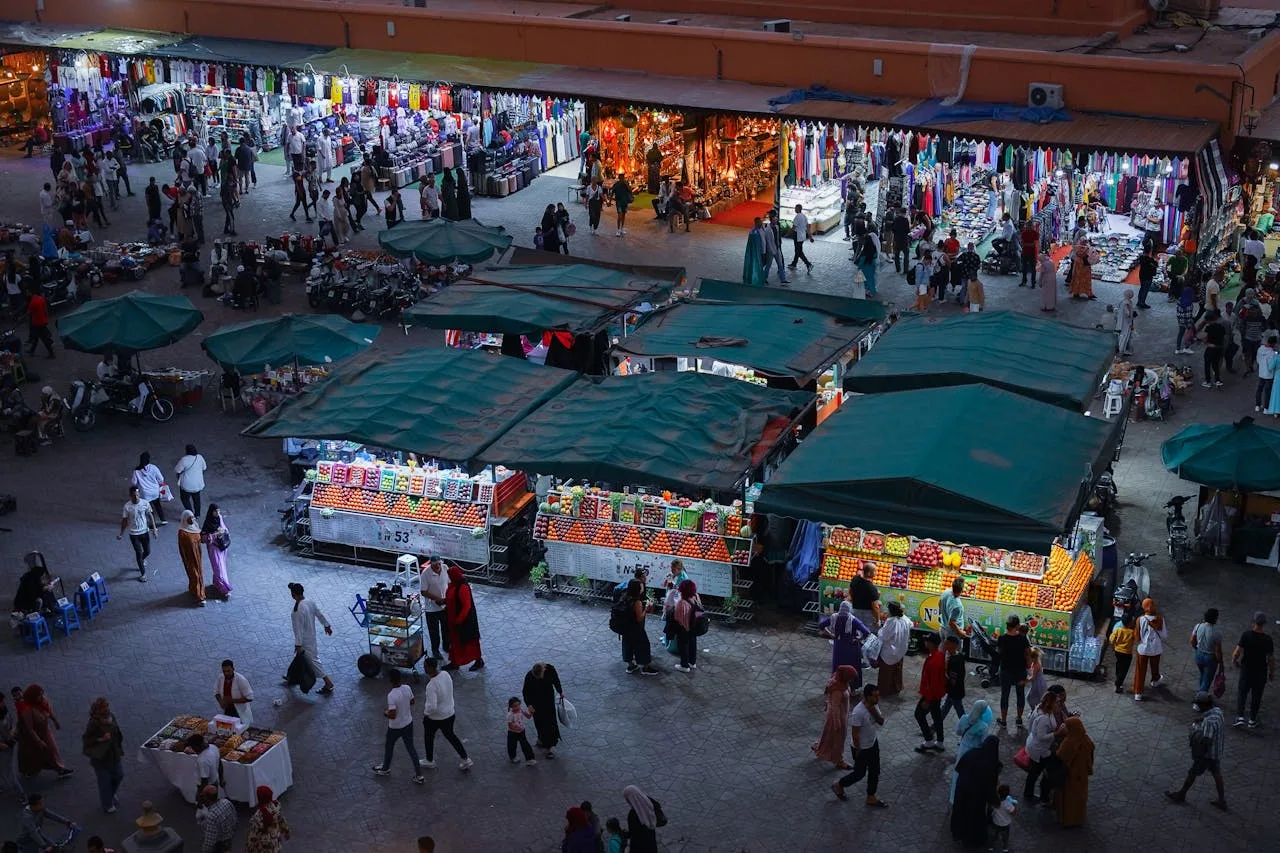
[ez-toc] The Ultimate Marrakech Nightlife Guide: Where to Experience the Magic After Dark Marrakech transforms as the sun sets, revealing a vibrant nightlife scene that...
Discover the best day trips from Marrakech, from the Atlas Mountains and Ouzoud Waterfalls to Essaouira, Agafay Desert, and more.
Marrakech Medina Walking Guide: Navigating the Ancient Walled City Stepping into Marrakech's ancient Medina is like entering a living museum where centuries-old traditions thrive alongside...
