Ultimate Marrakech Nightlife Guide: Bars, Clubs & Hidden ...
[ez-toc] The Ultimate Marrakech Nightlife Guide: Where to Experience the Magic After Dark Marrakech transforms as the sun sets, revealing a vibrant nightlife scene that...
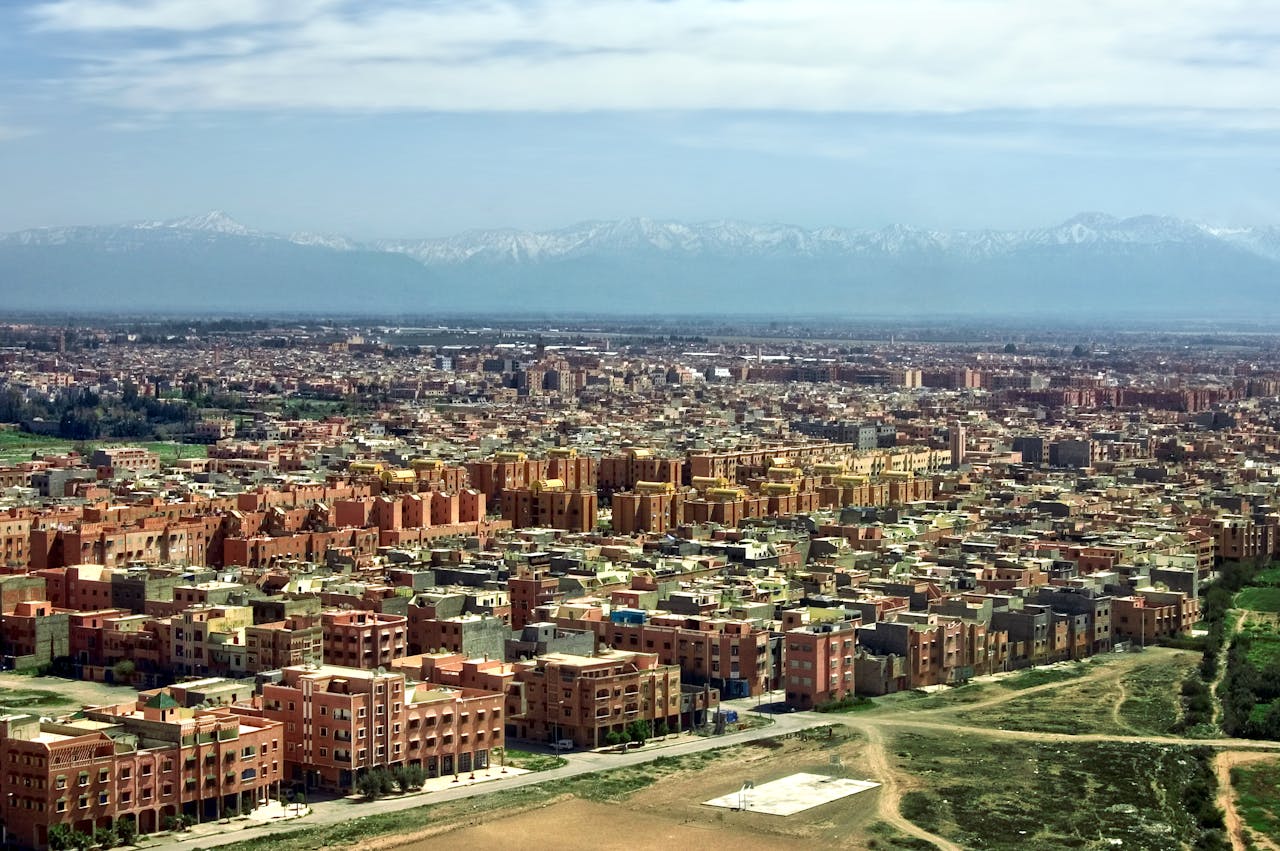
Stepping into Marrakech’s ancient Medina is like entering a living museum where centuries-old traditions thrive alongside modern commerce. This labyrinthine walled city, with its narrow alleys and bustling souks, can seem overwhelming at first. But with this comprehensive walking guide, you’ll navigate like a local, discover hidden gems, and fully experience the magic that makes Marrakech’s Medina a UNESCO World Heritage site.
To navigate Marrakech Medina easily, follow these simple tips:
The Medina of Marrakech covers nearly 700 hectares with over 19 kilometers of walls containing countless alleyways. Before plunging into its depths, here’s what you need to know:
The Medina is roughly circular, with Jemaa el-Fnaa square serving as its southern heart. Major landmarks help with orientation:
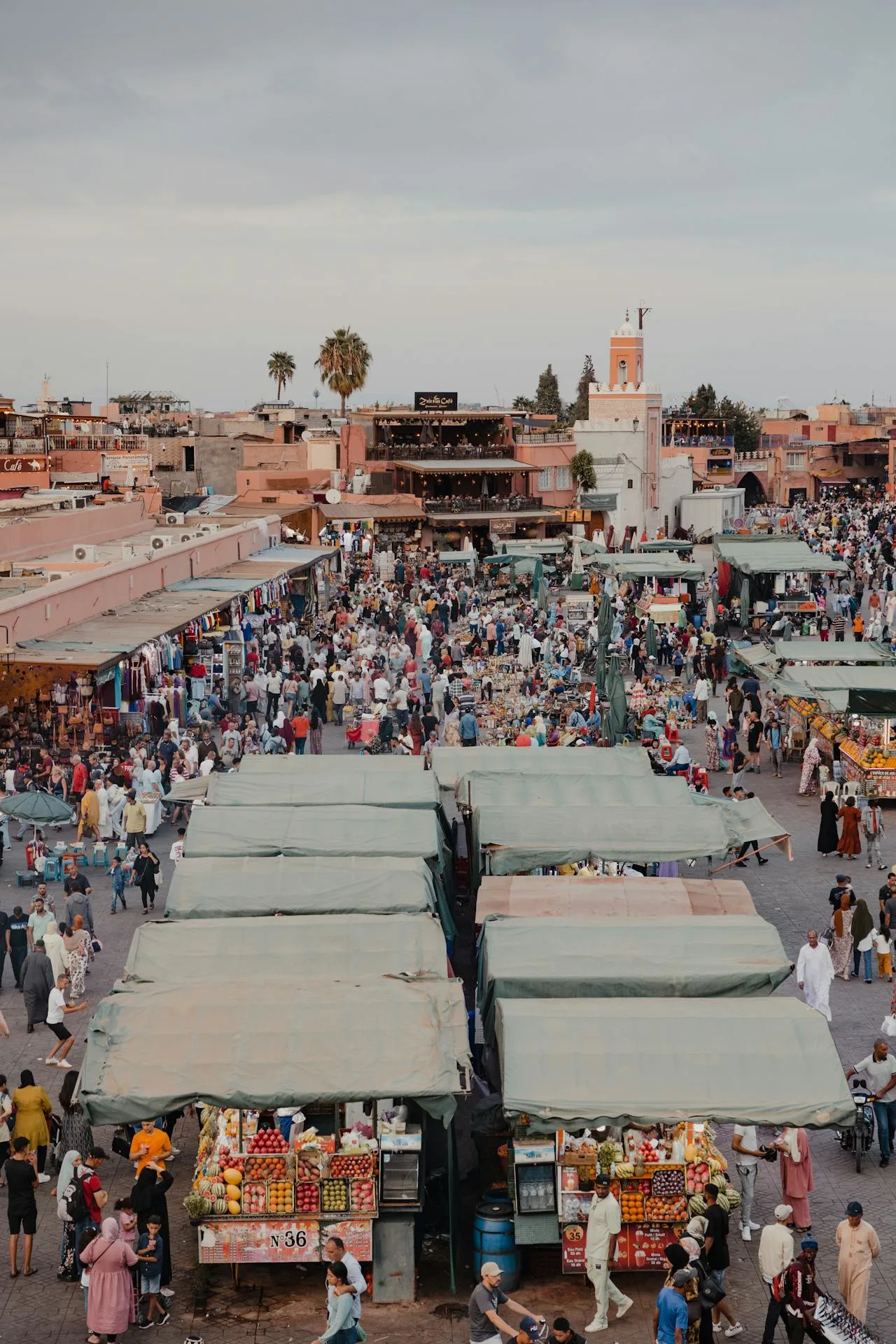
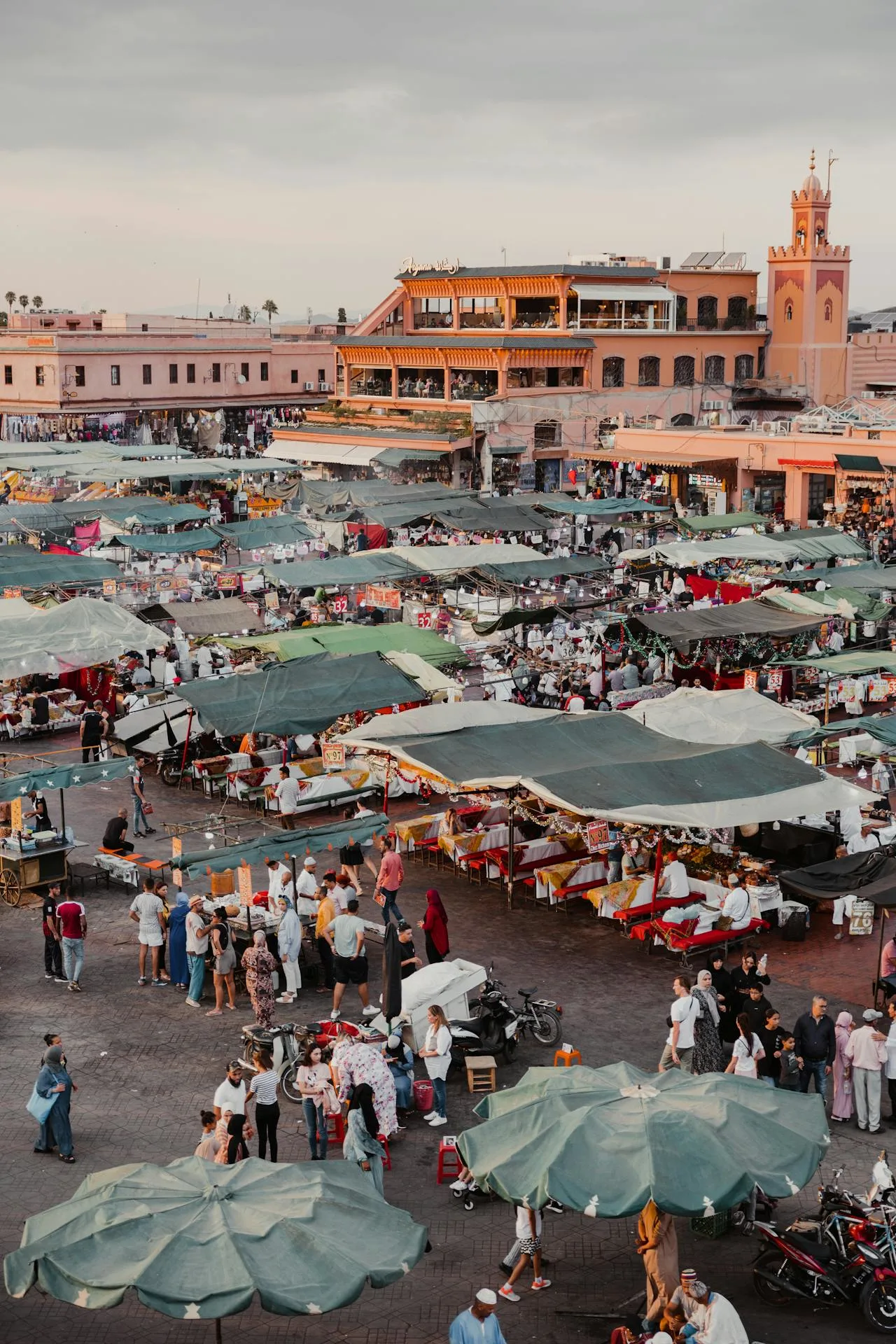
Use this map to follow the routes mentioned in this guide.
This walking route covers the main arteries of the famous Marrakech souks, perfect for first-time visitors wanting the essential Medina experience.
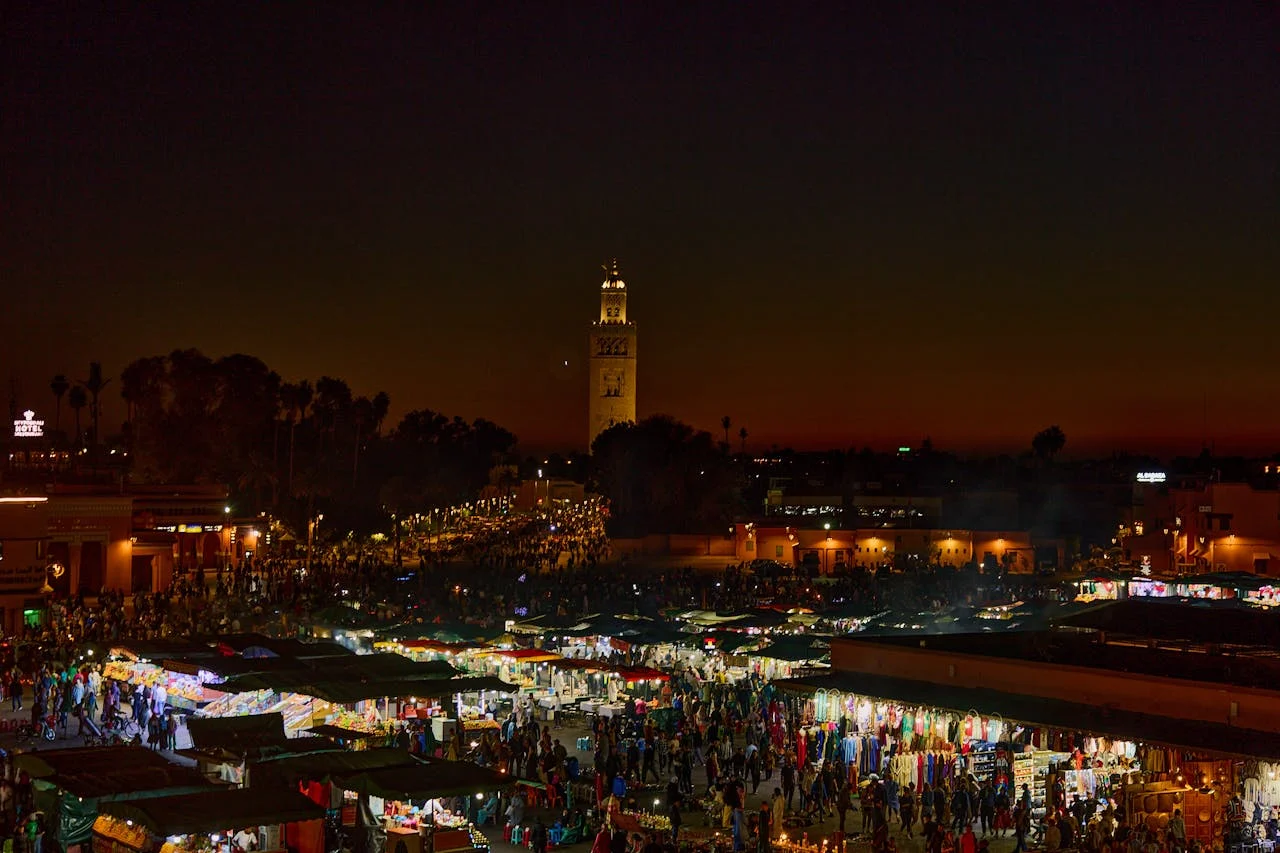
Begin your journey at the iconic main square. Note your entry point carefully – this will be useful when returning. Morning offers a calmer experience, while evenings deliver the full sensory spectacle with food stalls, performers, and musicians.
From the northwest corner of the square, enter Souk Semmarine, the main artery of the market area. This covered marketplace sells everything from traditional lanterns to leather goods.
Follow this sequence to witness specialized craftspeople at work:
End this route at Rahba Kedima square (Spice Square), where you can rest at a café and observe the herb and spice merchants.
Local Tip: When taking photos of artisans or their shops, always ask permission first and be prepared to make a small purchase or offer a tip of 5-10 dirhams.
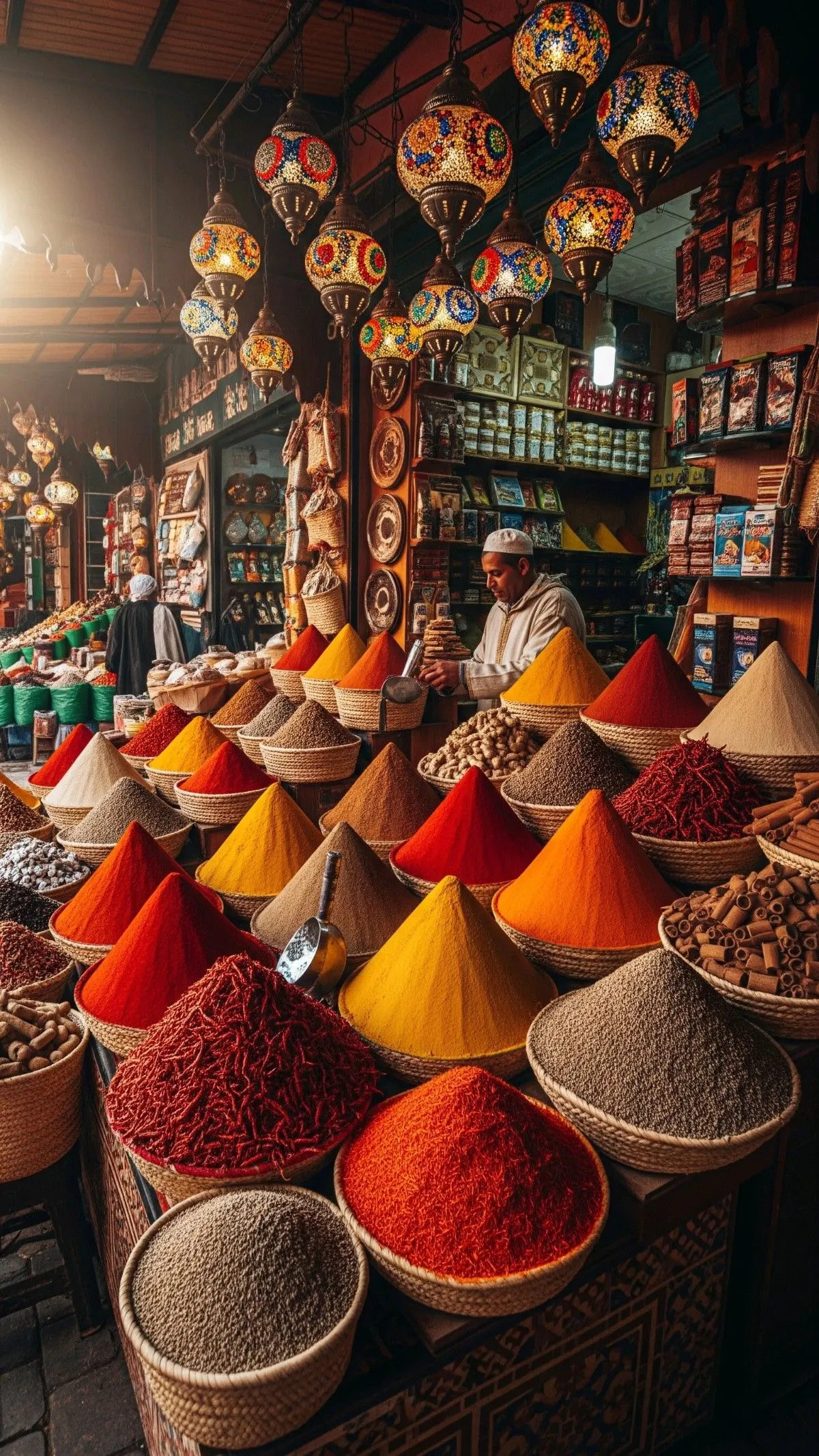
This route takes you beyond the souks to discover architectural treasures often missed by most tourists.
Begin at this stunning 16th-century Quranic school, renowned for its intricate zellige tilework and cedar wood carvings. Allow at least 30 minutes to explore its beautiful courtyard and student cells.
From here, head south through quieter residential streets to discover:
End this circuit at the Saadian Tombs, where the rulers of the Saadian dynasty were buried in ornate mausoleums.
Cultural Insight: Notice how the exteriors of many important buildings are unassuming, while interiors are extravagantly decorated. This reflects the Islamic cultural preference for modesty in public and beauty in private spaces.
This route takes you to actual workshops where you can see traditional crafts being made and potentially purchase directly from artisans.
Begin at this northern gate near the leather tanneries. While less famous than those in Fes, Marrakech’s tanneries offer a more accessible experience. Be prepared for strong smells and consider accepting mint leaves offered by guides to mask the odor.
From here, follow this artisan-focused itinerary:
Shopping Tip: Prices in workshops are often fixed (unlike in souks), but quality is typically higher. For major purchases like carpets, compare prices at several establishments.
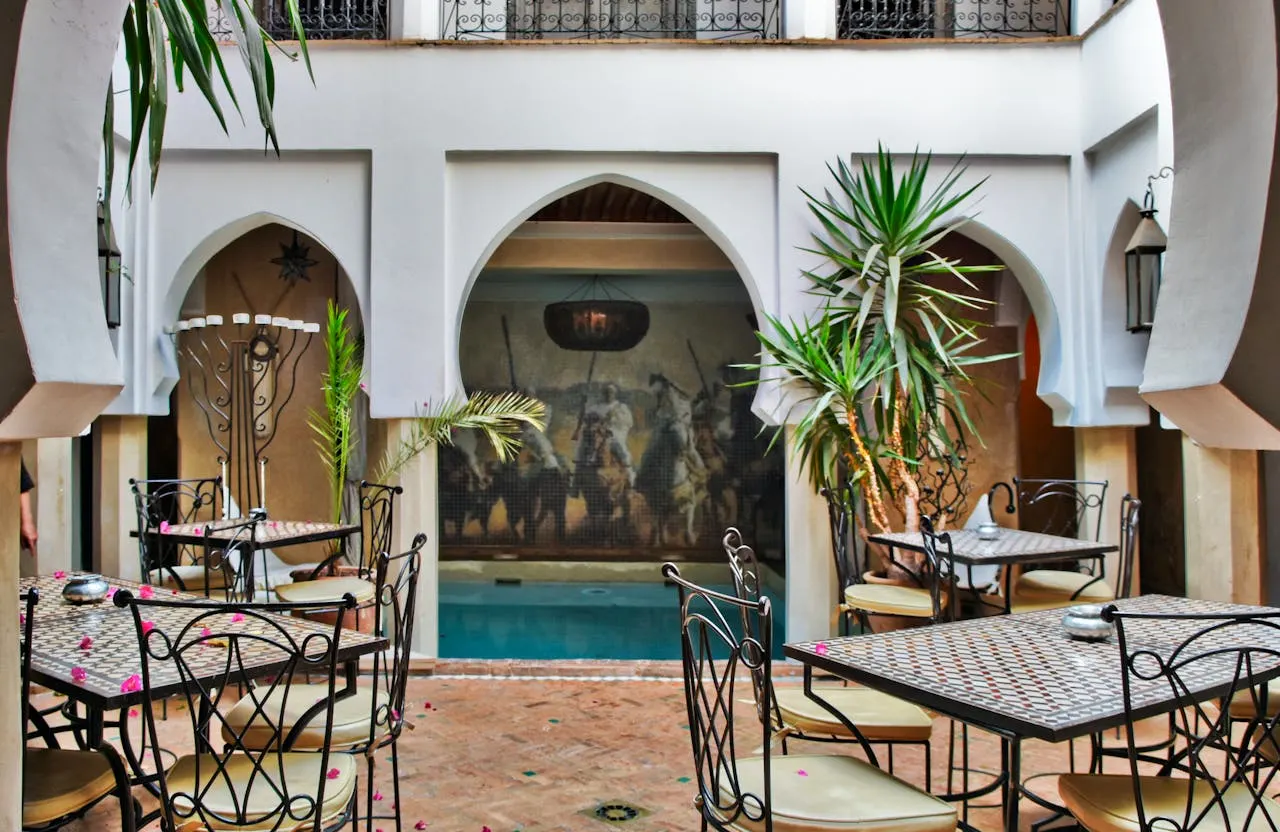
Walking the Medina can be exhausting. These peaceful spots offer respite from the sensory overload:
Budget Tip: Fresh orange juice costs 4-10 dirhams from street vendors (insist on seeing them squeeze it) – a perfect refreshment while exploring.
Getting lost in the Medina is practically a rite of passage, but these strategies help you find your way:
Safety Tip: If someone insists on guiding you, either firmly decline or negotiate a small fee (20-30 dirhams) upfront. Never follow someone claiming attractions are “closed” or “this way is blocked” – these are common scams.
Respecting local customs enhances your Medina experience:
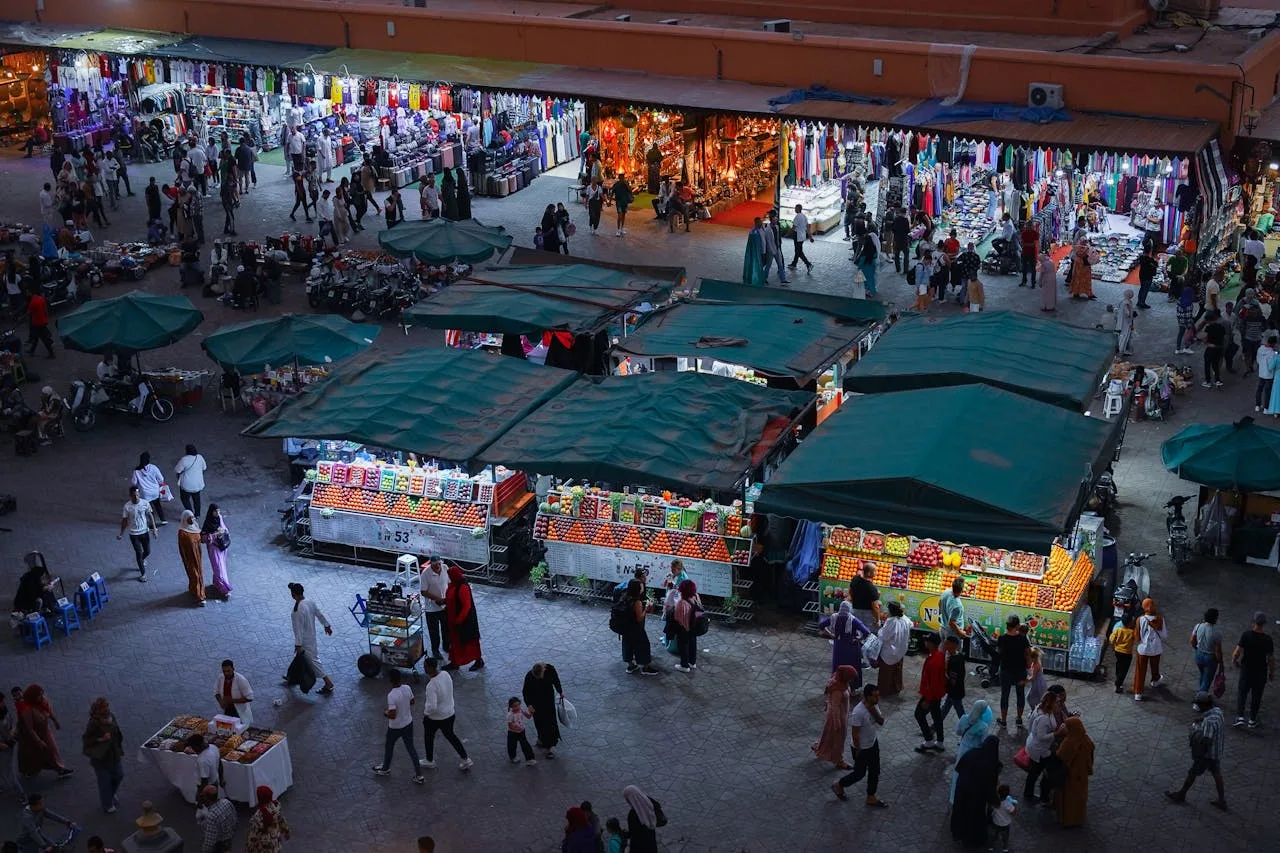
The Medina offers delicious street food that’s safe if you follow these guidelines:
Food Safety Tip: For hot food, eat where locals eat and during peak hours when turnover is high. Avoid salads or unpeeled fruits unless at established restaurants.
Haggling is expected, but follow these principles for a positive experience:
Fair Price Guide: Leather babouches (100-150 dirhams), small lantern (80-150 dirhams), spice mix (30-50 dirhams per 100g), leather pouf (350-600 dirhams).
Note: As a quick reference, 10 Moroccan dirhams (MAD) is roughly equal to 1 US dollar (USD). Exchange rates may vary, so prices can change slightly.
The Medina transforms throughout the day:
Seasonal Note: November through March offers the most pleasant walking temperatures. Summer afternoons can be unbearably hot, so plan early morning or evening explorations.
Consider these options for exploring the Medina:
Our Recommendation: For first-time visitors, spend your first morning with a guide to orient yourself, then explore independently for the remainder of your stay.
For those seeking authentic experiences away from tourist crowds:
Hidden Gem: Venture to Mellah (the historic Jewish quarter) to see architectural styles that blend Jewish and Islamic influences, particularly in window designs.
Capture stunning images while respecting local customs:
Photography Etiquette: Always ask before photographing people. Some may request a small payment (5-10 dirhams), especially craftspeople and water sellers in traditional costumes.
Ready to explore Marrakech Medina? Save this guide and start planning your walking route today.
Yes, the main areas of the Medina are generally safe at night, particularly around Jemaa el-Fnaa and the main shopping streets. However, stick to well-lit, busier paths and avoid isolated alleys. Women travelers should consider walking with companions after dark.
You don’t necessarily need a guide, but first-time visitors might benefit from a guided tour on their first day to get oriented. After that, exploring independently with a good map or app is perfectly manageable and often more rewarding.
Getting slightly lost is part of the Medina experience! However, you can stay oriented by: remembering major landmarks, dropping pins on Google Maps (even offline), noting distinctive shops at turns, or following signs to major attractions like Jemaa el-Fnaa or the Koutoubia Mosque.
Dress modestly out of respect for local culture – shoulders and knees should be covered (for both men and women). Lightweight, breathable fabrics are best, along with comfortable walking shoes, a hat, and sunglasses. During winter months (November-February), bring layers as mornings and evenings can be cool.
[ez-toc] The Ultimate Marrakech Nightlife Guide: Where to Experience the Magic After Dark Marrakech transforms as the sun sets, revealing a vibrant nightlife scene that...

Discover the best day trips from Marrakech, from the Atlas Mountains and Ouzoud Waterfalls to Essaouira, Agafay Desert, and more.
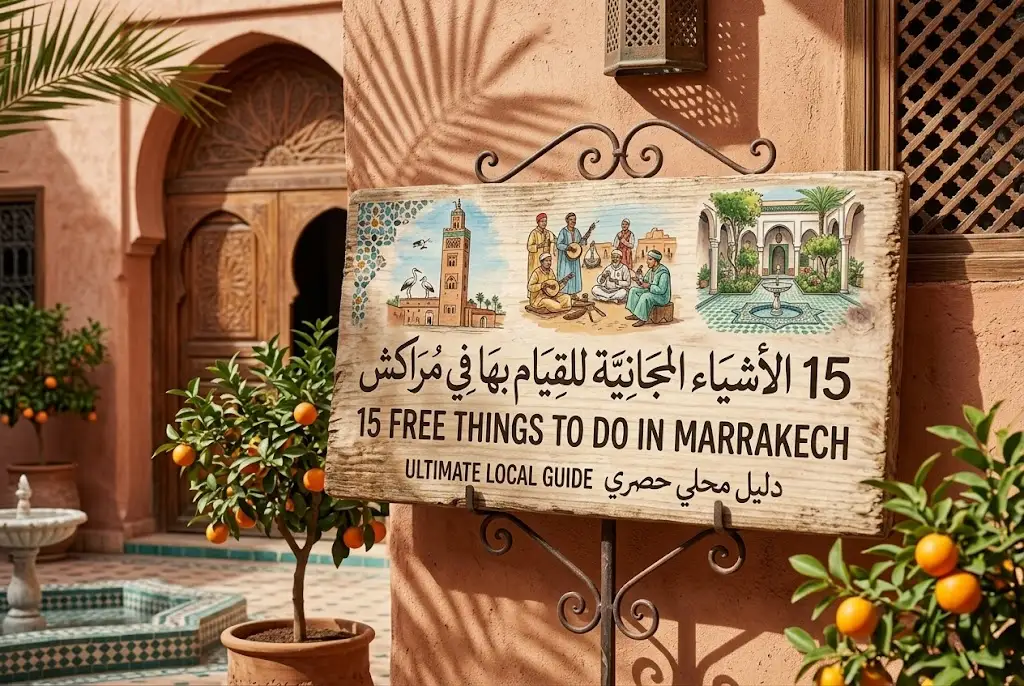
Discovering Marrakech doesn't have to drain your wallet. The vibrant Red City offers countless ways to immerse yourself in Moroccan culture without spending a single dirham.
