Chefchaouen Travel Guide: Morocco’s Blue City (2026)
[ez-toc] Part of: The Complete Morocco Travel Guide Chefchaouen Travel Guide: Morocco's Blue City Tucked into the folds of the Rif Mountains, Chefchaouen is unlike...
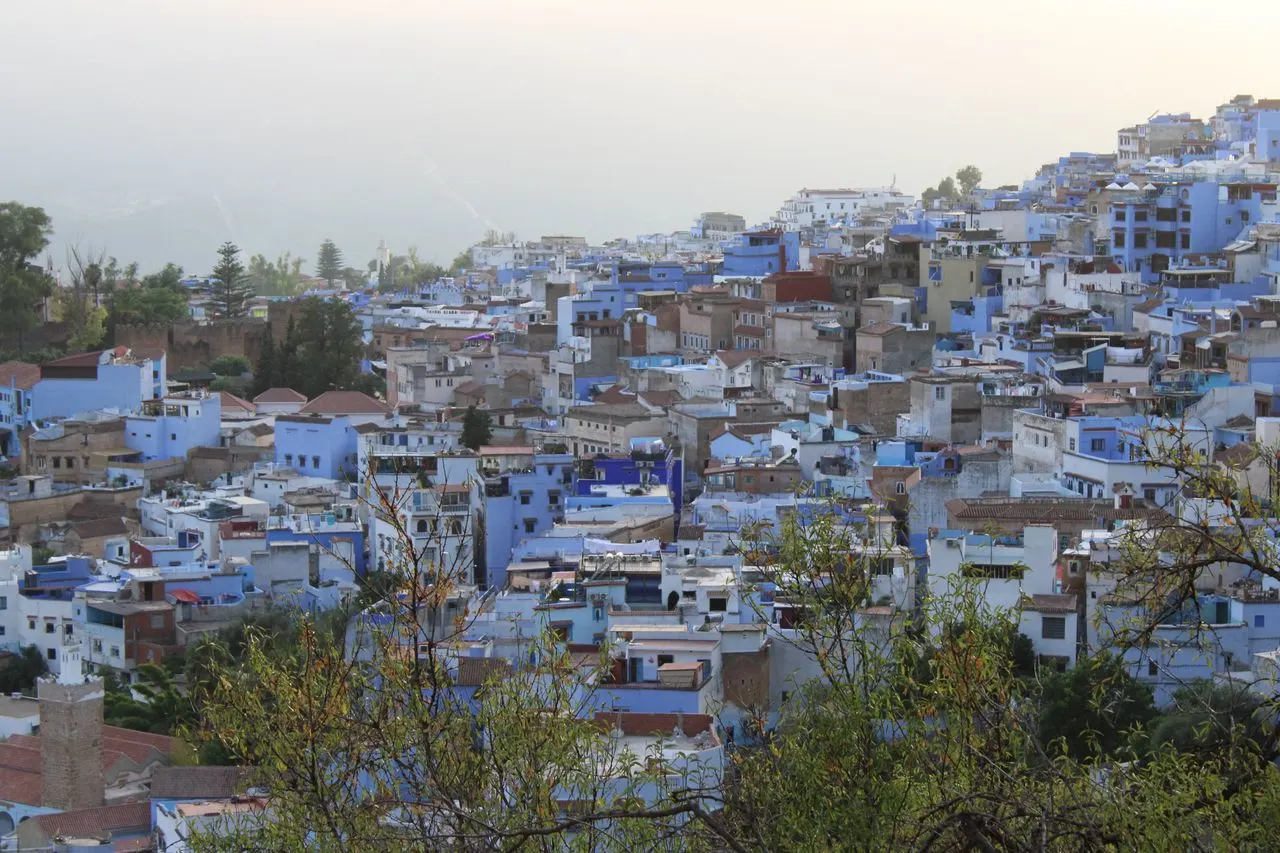
The first meal I had in Chefchaouen was an accident. I’d gotten turned around somewhere past the kasbah which happens constantly in the medina, and eventually you stop fighting it and ended up in a narrow passage I hadn’t seen on any map. A woman was frying beghrir on a portable burner outside her door, the spongy semolina pancakes bubbling up with hundreds of tiny holes as they cooked. She sold me two with honey and butter for five dirhams. I ate them standing in the alley with butter running down my wrist.
That’s the honest entry point to eating in Chefchaouen. The best food here isn’t always behind a door with a TripAdvisor sticker. A lot of it is informal, cash-only, and discovered by wandering. But there are also proper restaurants some of them genuinely excellent and knowing which ones are worth your time saves you from a lot of overpriced tagines aimed squarely at tourists who won’t be back.
New to Chefchaouen? Before discovering where to eat, we recommend reading our complete Chefchaouen Travel Guide. You’ll find everything you need to know about Morocco’s Blue Pearl, including where to stay, the best things to do, how to get around, and practical tips to help you make the most of your visit.
👉 Read our complete Chefchaouen Travel Guide:
Here’s where to actually eat.
The city’s cuisine sits at a crossroads that its history explains. Chefchaouen was founded in 1471 partly as a refuge for Andalusian Muslims expelled from Spain, and that heritage shows up in the kitchen in the use of almonds and olive oil, in the sweet-savory combinations, in dishes you won’t find as often in Fes or Marrakech. The surrounding Rif Mountains add their own layer: fresh goat cheese, wild herbs, mountain honey, kif-seasoned majoun. And the Berber foundations underneath all of it mean that the cooking is fundamentally rural, seasonal, and unglamorous in the best possible sense.
What this means practically: eat the rfissa. Order the goat. Try the local cheese at the morning market before you try it in a restaurant. And be skeptical of any menu that leads with “traditional Moroccan tagine” in four languages those places are built for turnover, not flavor.
If you’re still planning your itinerary, our guide to the 15 Best Places to Visit in Chefchaouen covers every unmissable corner of the Blue City beyond its restaurants
This is probably the most honest answer to “where should I eat dinner” in the whole city. Bab Ssour sits near the old city wall, slightly removed from the main tourist drag, and it has the particular quality of a place that succeeds because the cooking is good rather than because the location is convenient.
The menu is short, which is always a good sign. The lamb tagine with preserved lemon and green olives is the thing to order the meat falls off the bone in the way that only happens after several hours in a clay pot over low heat, and the sauce has a brightness from the preserved lemon that cuts through the richness. The bissara, a thick soup of dried fava beans finished with olive oil, cumin, and paprika, is what the cook eats for breakfast, which is also what you should do.
The room is small, the walls are painted the city’s characteristic shade of blue-grey, and the owner has a habit of appearing at your table not to upsell but to ask if you want more bread. You will always want more bread.
Practical note: No alcohol. Cash preferred. Arrive by 7:30pm if you don’t want to wait.
The rooftop terrace at Casa Aladdin has views over the medina that get photographed constantly, and it would be easy to dismiss the place as trading on scenery rather than substance. That would be unfair. The kitchen here takes the pastilla seriously the sweet-savory Moroccan pie traditionally made with pigeon, almonds, eggs, and a dusting of cinnamon and powdered sugar, all folded into layers of warqa pastry. Most places in Morocco serve a compressed, slightly leaden version. Casa Aladdin’s is genuinely light, the layers crackling slightly when you press a fork through them.
The chicken briwat small fried pastry parcels filled with spiced chicken and herbs arrive as a starter and are worth pacing yourself around, which is advice you will ignore and then regret when the tagine arrives.
The view at sunset, tiles glowing, the call to prayer layering over the sound of swallows, is as good as everyone says. Just don’t let the view be the only reason you come.
Tissemane is where I went back twice in the same week. It’s tucked into one of the tighter passages in the upper medina, the kind of place you’d walk past without noticing unless someone told you to look for the blue door with the hand-painted fish above it. Inside, it’s about eight tables, low ceilings, and walls hung with Berber kilims in geometric reds and oranges that make the blue exterior feel like a different building entirely.
The food here leans Berber rather than Andalusian which means heartier, more rustic, and less interested in elegance than in filling you up properly. The mechui (slow-roasted lamb) is only available on certain days; when it is, get it. The lamb comes to the table in a clay vessel and is so tender you eat it with your hands, pulling the meat away in soft strands and wrapping it in the warm bread they keep bringing throughout the meal.
The harira is also exceptional. The tomato-lentil-chickpea soup with fresh coriander and a squeeze of lemon is something I’ve ordered as a full meal, just with bread and an extra bowl, and felt neither deprived nor virtuous just properly fed.
Café Clock started in Marrakech and has developed a following partly for its camel burger (genuinely good, not a gimmick) and partly for being one of the few places in Moroccan medinas that manages to feel international without feeling like it’s catering exclusively to foreigners.
The Chefchaouen branch is smaller and quieter than the Marrakech original, which suits the city. The courtyard fills with a mix of travelers, local students, and the occasional musician who sets up without announcement and plays Andalusian malhun or Gnawa music for an hour before disappearing. I’ve had better tagines elsewhere in the city, but I’ve had few better afternoons than one spent here over a pot of spiced tea and a piece of msemen dipped in honey, reading while someone played oud in the corner.
Order the kefta (spiced ground lamb grilled on skewers) and the zaalouk (smoky roasted eggplant salad with tomatoes and cumin). Both are kitchen-confident and well-seasoned. The fresh orange juice, pressed to order, is served in a glass so cold it fogs up immediately.
The name means “Lady of Good Fortune” in Darija, and the restaurant run by a woman who learned to cook from her grandmother in the Rif and doesn’t particularly care whether you find her Instagram-worthy delivers on that. This is the place for rfissa, the dish made of chicken braised in a fragrant broth with fenugreek seeds, lentils, and smen (aged, salted butter) served over shredded m’semen flatbread. It’s the kind of food that exists entirely outside the tourist imagination of Moroccan cuisine not photogenic, not easily described in a single adjective, but deeply satisfying in the way that only food cooked by someone who made it for their family long before they ever made it for strangers can be.
The dining room is simple. Oil-cloth tablecloths, plastic chairs, a television on the wall usually showing a football match or a Moroccan soap opera with the sound off. No rooftop view. No Instagram hooks. The rfissa arrives in a wide communal bowl, and the etiquette is to eat from the section closest to you, working inward.
This is the most honest meal you can have in Chefchaouen.
Finding it: Ask at your guesthouse. It moves occasionally. The owner is known by name in the neighborhood.
No restaurant list for Chefchaouen is complete without accounting for what happens between 7am and 9am near the Bab el-Ain gate, where the daily market sets up.
This isn’t a tourist market. It’s where families shop for the day: bundles of fresh coriander and flat-leaf parsley for five dirhams, wheels of fresh goat cheese wrapped in palm leaves, olives in a dozen varieties from enormous clay vessels, flatbreads still warm from the wood-fired ferran (communal oven) around the corner. There’s a man who sells chebakia honey-soaked sesame cookies fried until they’re crisp and lacquered from a tray he carries on his head. Buy some. They’ll be gone by nine.
The goat cheese is worth seeking out specifically. The fresh version (called jben) is mild, slightly crumbly, and eaten with honey and bread for breakfast. The older, firmer version has a pleasant sharpness. Some vendors have both, and will let you taste before you buy.
Eating here standing up, wrapping a piece of warm bread around a few olives and a chunk of cheese is not a restaurant experience. It’s better than a restaurant experience.
Mint tea in Morocco is not a casual drink. It’s poured from a height to create froth, it’s sweet to a degree that startles people from Europe and North America, and refusing a second glass in someone’s home or shop is considered mildly rude. In Chefchaouen, there are a few places where the tea ritual is worth sitting down for specifically.
Café Lala Khadija, on the edge of Plaza Uta el-Hammam, opens early and closes late and has the city’s best people-watching. Order the tea and a bowl of amlou a thick paste of argan oil, almonds, and honey used as a dip for bread and settle in. The square fills and empties all day at different tempos depending on the prayer schedule and the tourist tide.
Café Aladdin’s lower terrace (not the rooftop) is quieter and catches the afternoon shade in summer. Good for a long afternoon reading session with rounds of karkadé (hibiscus tea, served cold or hot) if you’ve reached your mint-tea limit.
A few dishes specific to the Rif and Chefchaouen that you’ll miss if you stick to the tourist-menu defaults:
Rfissa chicken, lentils, fenugreek, smen, over shredded flatbread. Not available everywhere. Ask at guesthouses for where to find it that week.
Bissara dried fava bean soup, olive oil, cumin. Cheap, filling, deeply Moroccan. Eaten for breakfast.
Jben with honey fresh local goat cheese with mountain honey. Market item, not usually a menu item.
Mesfouf sweet couscous with raisins, butter, and almonds. Served as a dessert or standalone dish. Lighter than it sounds.
Kefta mchermel ground lamb kefta cooked in a tomato sauce with preserved lemon and spices, finished with a fried egg on top. Comfort food in the truest sense.
Seffa fine-ground vermicelli or couscous steamed and served with butter, honey, and cinnamon. Often a closing course at larger family meals; sometimes available in restaurants if you ask.
The restaurants directly on Plaza Uta el-Hammam the main square exist primarily to catch people who arrive hungry and haven’t planned where to eat. The food isn’t terrible but it’s not what you came here for. Tagines at these places are usually pre-cooked and held, reheated to order. The menus are translated into five languages and priced accordingly.
This isn’t a rule without exceptions. One or two places on the square cook to order and have done so for years. But as a heuristic: the farther you walk from the square, the better your odds.
Similarly, any place that greets you at the door with physical pressure to sit down is best walked past. Good restaurants in Chefchaouen don’t need to recruit.
Eating in Chefchaouen is genuinely affordable, even at the better restaurants. A full dinner with soup, a tagine, bread, and tea rarely exceeds 120–150 dirhams (roughly $12–15 USD) per person at mid-range spots. Street food and market eating is dramatically cheaper. Tipping is expected and appreciated; 10–15% is generous, and rounding up on small bills is always fine.
Most restaurants in the medina don’t serve alcohol Chefchaouen is a conservative city. A few guesthouses have wine available with dinner if you’re staying there, and a handful of spots outside the old walls serve beer. Inside the medina, plan around excellent tea and fresh juices.
Keep in mind that menus, hours, and crowds vary significantly by season. Check our guide on the Best Time to Visit Chefchaouen to plan your trip around the most comfortable and authentic experience.
Food in Chefchaouen is inseparable from the pace of the city. Nobody eats in a hurry. Meals take time the bread comes first, then the salads, then the main course, then the tea, and the whole sequence is understood as a structure rather than a race to the check. If you try to eat the way you might eat at home, you’ll feel like the city is slow. If you surrender to the pace, you’ll understand why people extend their stays.
The best meals I’ve had in the Blue City weren’t necessarily at the best restaurants. They were the ones where I stopped watching the clock. That’s not advice you can book in advance but it’s worth knowing before you arrive.
Most medina restaurants are cash-only. Hours are approximate and change by season. Friday afternoons may see reduced service around prayer times. Reservations are rarely needed except in summer and should be made by phone or in person the day of.
For more guides about Chefchaouen, visit our
For a proper sit-down dinner, Restaurant Bab Ssour is the most consistently reliable option — short menu, honest cooking, and a lamb tagine that justifies the trip alone. For something more atmospheric, Restaurant Tissemane in the upper medina delivers hearty Berber cooking in a room that feels nothing like a tourist restaurant. The honest answer is that the best meal in Chefchaouen might not be in a restaurant at all — the morning market near Bab el-Ain between 7am and 9am is where locals actually eat.
Chefchaouen sits at a crossroads of Andalusian and Berber cooking traditions. The dishes most specific to the city and the surrounding Rif are rfissa (chicken braised with fenugreek and smen over shredded flatbread), bissara (dried fava bean soup with olive oil and cumin), fresh local goat cheese eaten with mountain honey, and mechui (slow-roasted lamb). Pastilla — the sweet-savory pie of pigeon, almonds, and warqa pastry — is done particularly well here.
No. A full dinner with soup, tagine, bread, and tea at a mid-range restaurant rarely exceeds 120–150 dirhams per person (roughly $12–15 USD). Street food and market eating is dramatically cheaper — beghrir with honey and butter from a street vendor costs five dirhams. The restaurants directly on the main square charge more than the food warrants; walking one street back usually halves the price and doubles the quality.
Most restaurants inside the medina do not. Chefchaouen is a conservative city and the majority of medina restaurants are alcohol-free. Some guesthouses offer wine with dinner for guests, and a handful of spots outside the old walls serve beer. Plan around excellent mint tea, karkadé (hibiscus tea), and fresh-squeezed orange juice — all of which are genuinely good here.
Avoid the tourist-menu defaults — the pre-cooked tagines on the main square exist for turnover, not flavor. Order the rfissa if you can find it, the lamb mechui at Tissemane when available, the pastilla at Casa Aladdin, and the bissara anywhere that makes it fresh. At the market, buy the local goat cheese, the warm flatbread, and whatever the vendor with the tray on his head is selling — it’s usually chebakia and it’s usually gone by nine.
The morning market runs from 7am to 9am and is worth setting an alarm for — the freshest bread, cheese, and produce disappear early. For lunch, most restaurants open around noon and the medina quiets down pleasantly between 1pm and 3pm. Dinner service typically starts at 7pm; arrive by 7:30pm at smaller places like Bab Ssour to avoid waiting. During Ramadan, the entire rhythm shifts — iftar (the breaking of the fast at sunset) is the main meal and the city comes alive after dark.
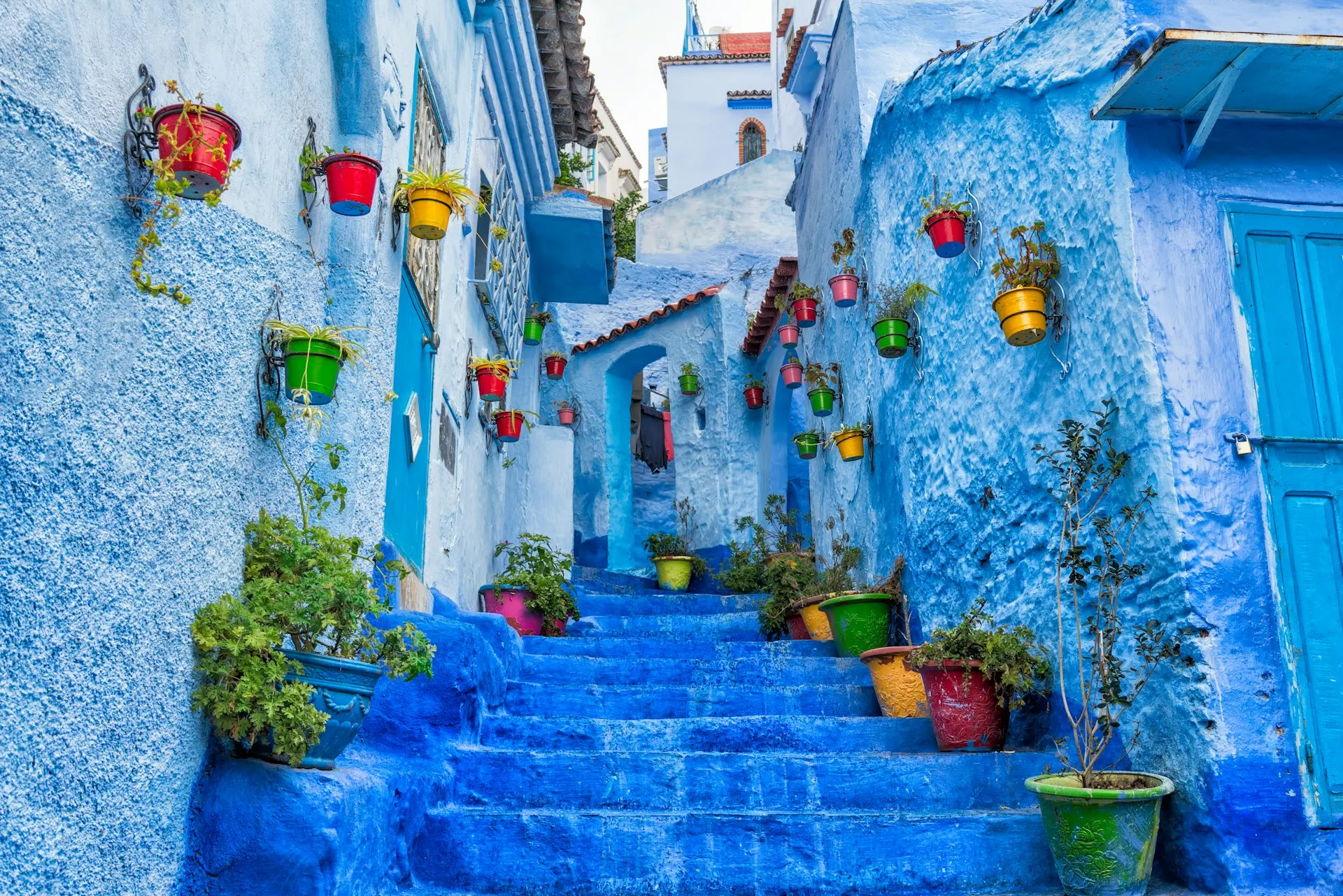
[ez-toc] Part of: The Complete Morocco Travel Guide Chefchaouen Travel Guide: Morocco's Blue City Tucked into the folds of the Rif Mountains, Chefchaouen is unlike...
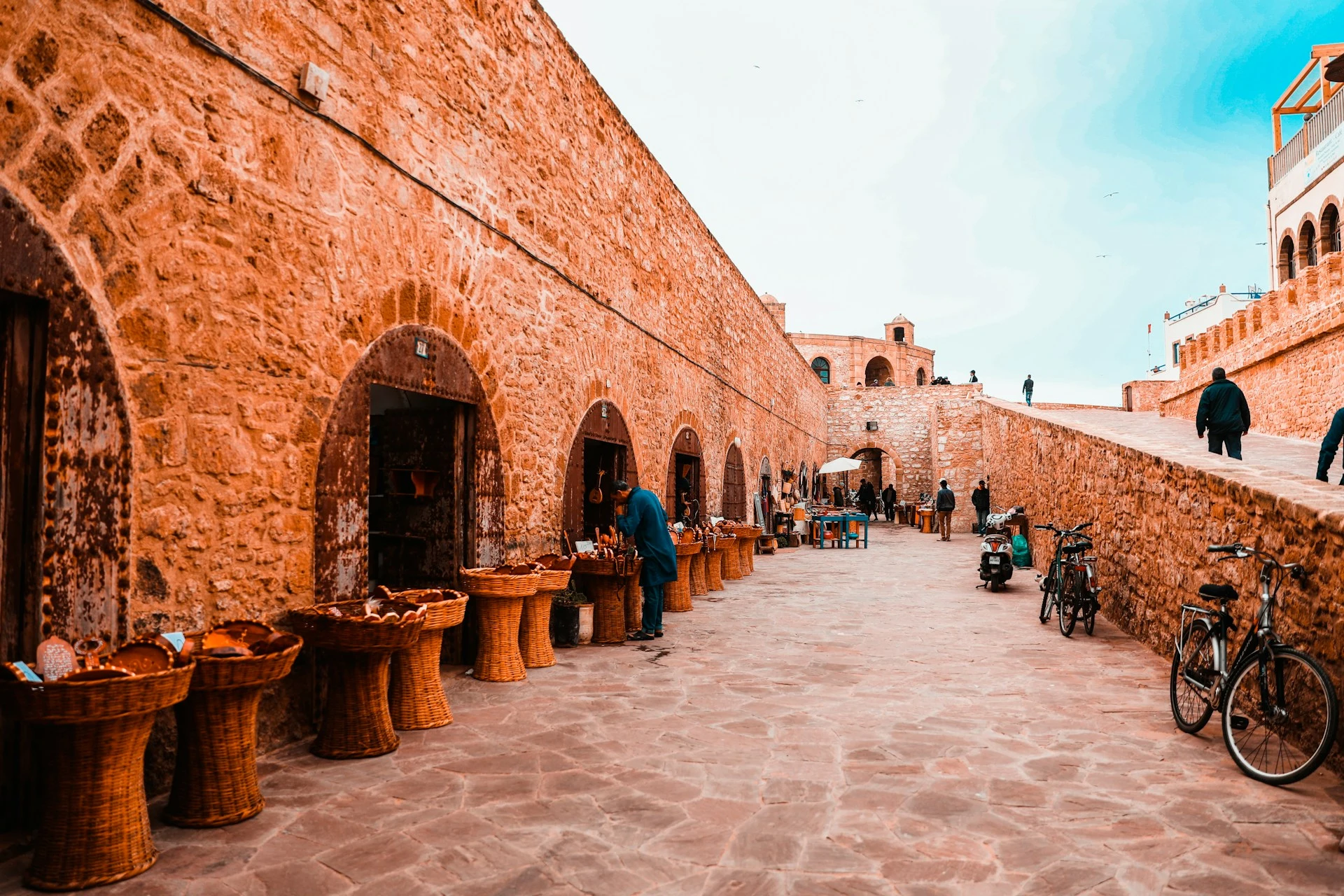
[ez-toc] 📍 Part of: The Complete Morocco Travel Guide Essaouira Travel Guide: Morocco's Laid-Back Atlantic Town After the intensity of Marrakech, Essaouira feels like exhaling....
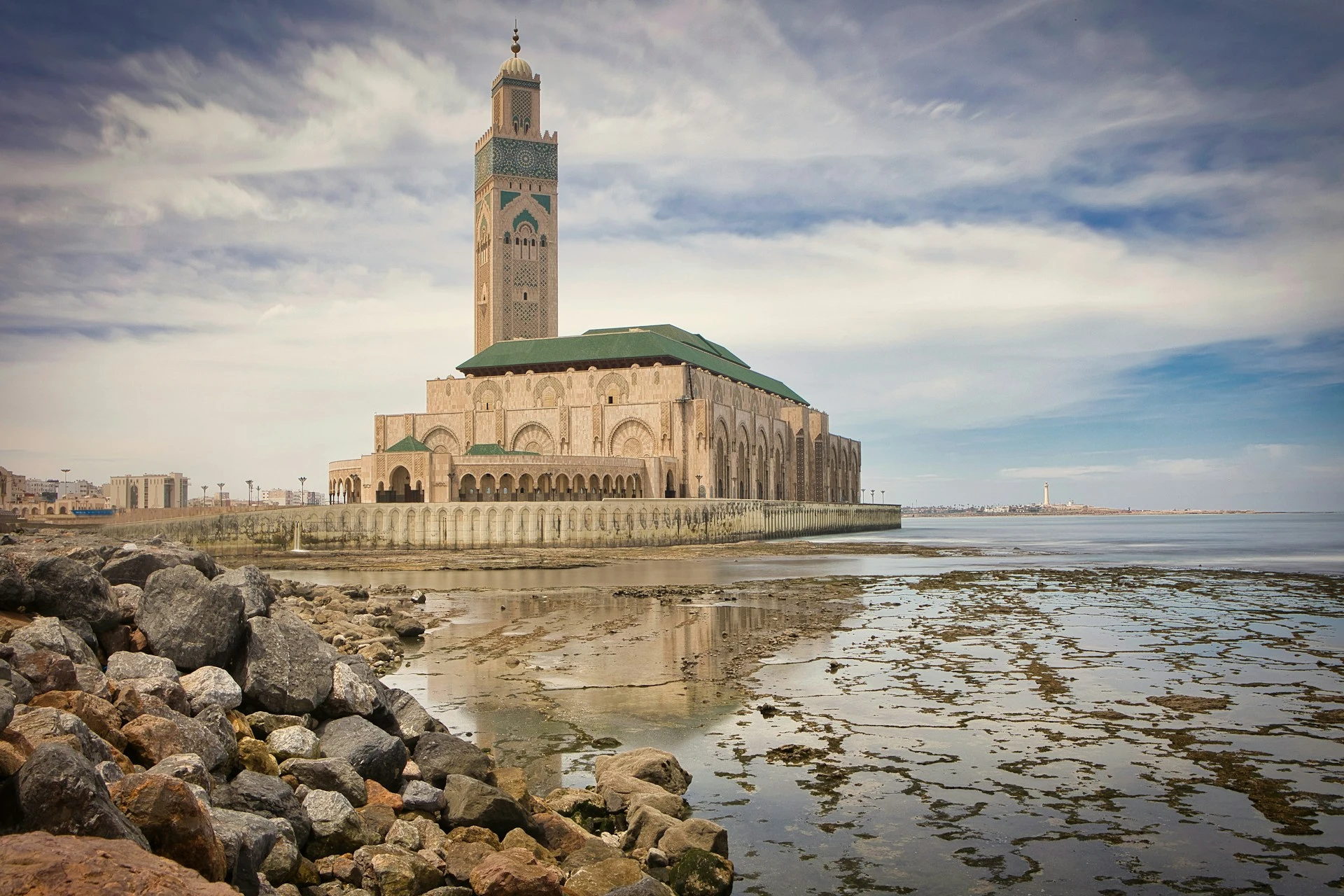
[ez-toc] Part of: The Complete Morocco Travel Guide Casablanca Travel Guide: Morocco's Modern Face Casablanca isn't the Morocco of postcards and ancient medinas and that's...
