Essaouira Travel Guide: Morocco’s Atlantic Coast Town (2...
[ez-toc] 📍 Part of: The Complete Morocco Travel Guide Essaouira Travel Guide: Morocco's Laid-Back Atlantic Town After the intensity of Marrakech, Essaouira feels like exhaling....

I still remember the moment I stepped through the blue gates of Essaouira’s medina for the first time. The smell of the Atlantic mixed with cumin from a nearby spice stall, a Gnaoua musician playing just around the corner, and cats napping in every patch of sunlight I was completely hooked.
Essaouira is unlike anywhere else in Morocco. It has the soul of Marrakech without the chaos, beaches that rival Agadir, and a creative, laid-back energy that makes you want to stay much longer than planned. Whether you’re here for a weekend or a full week, there is no shortage of incredible things to do in Essaouira, Morocco.
In this guide, I’m sharing the 13 best things to do in Essaouira everything I’ve personally experienced and recommend, complete with opening hours, prices, and insider tips you won’t find on generic travel sites.
Essaouira is one of Morocco’s most beloved coastal cities — and part of our complete Morocco travel guide covering the best destinations across the country.
⚡ Quick Answer: Best Things to Do in Essaouira
The top things to do in Essaouira include exploring the UNESCO-listed medina, watching the sunset from Skala de la Ville, windsurfing on the Atlantic beach, visiting the fishing port, and experiencing the legendary Gnaoua music scene. Most attractions are free or cost under $5.
Nestled on Morocco’s stunning Atlantic coast, Essaouira (pronounced “ess-a-WEER-a”) is a UNESCO World Heritage city that captures everything magical about Morocco in one compact, walkable destination. With a population of around 70,000, it’s small enough to feel intimate but rich enough in culture, history, and beauty to fill several days of exploration.
What makes Essaouira truly special is its layered history. Phoenicians, Romans, Berbers, and Portuguese traders all left their mark here, and you can feel that mix of civilizations in every blue-and-white wall, every carved wooden door, and every note of Gnaoua music drifting through the medina. The city earned its UNESCO status in 2001 and one afternoon wandering its alleys will show you exactly why.
I’ve visited Essaouira twice now once in spring and once in September and each time I discovered something new. Here’s everything worth doing, seeing, and tasting.
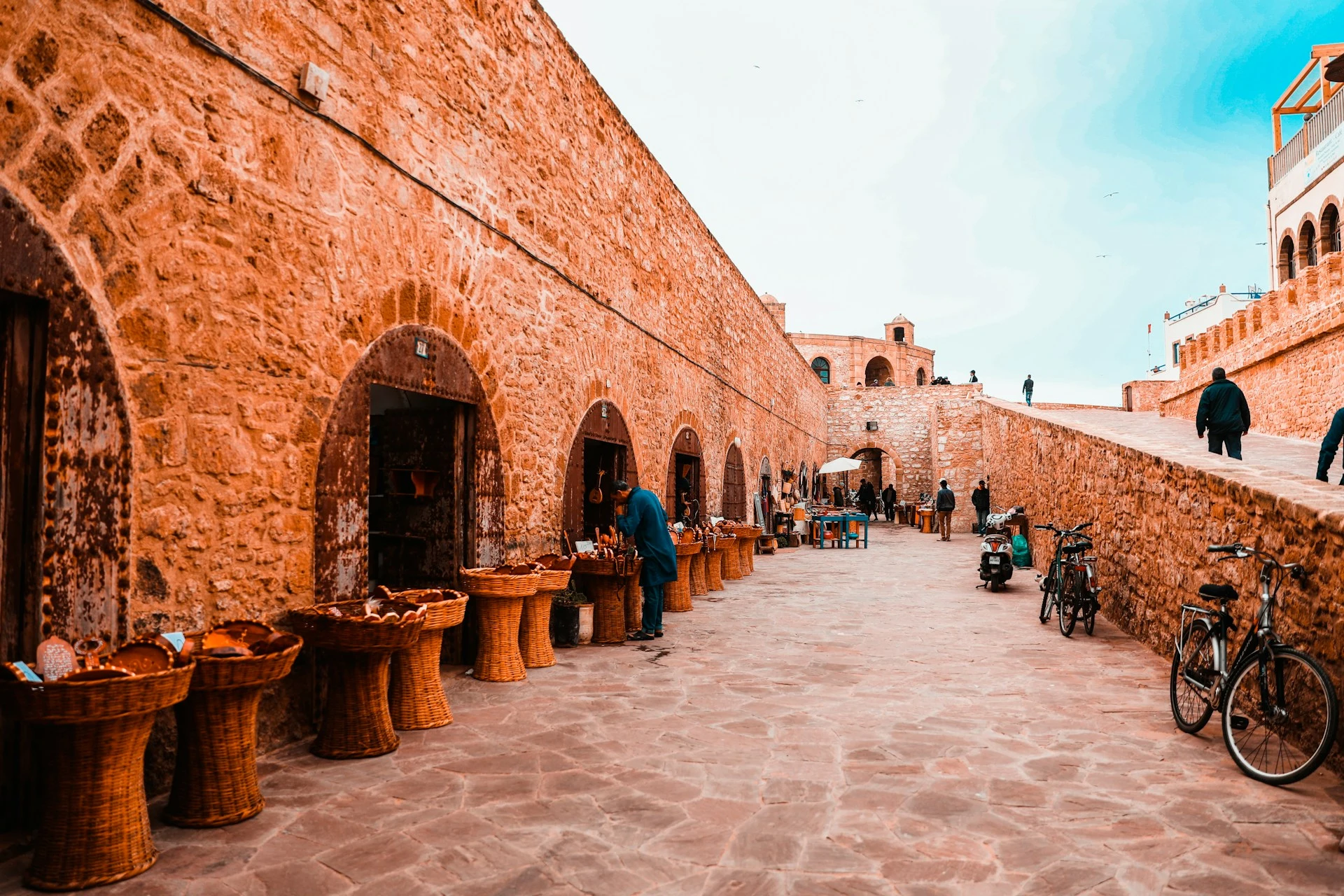
If there’s one thing you absolutely cannot miss in Essaouira, it’s getting wonderfully lost inside its ancient medina. I say “lost” intentionally because the best moments happen when you put the map away and just wander. Every narrow alley leads to something unexpected: a woodcarver shaping a thuya chess set, a teenage musician rehearsing Gnaoua rhythms on a hand-painted drum, or a rooftop café you’d never find on TripAdvisor.
The medina of Essaouira was designated a UNESCO World Heritage Site in 2001, and it fully deserves the title. Unlike the chaotic, tourist-heavy medinas of Marrakech or Fes, Essaouira’s old town has a relaxed, almost bohemian atmosphere. The streets are narrow but
never suffocating, the vendors are friendly but rarely pushy, and the sea breeze follows you everywhere a constant reminder that the Atlantic is just a few minutes’ walk away.
The medina is built around Avenue Mohammed Zerktouni and Avenue de l’Istiqlal the two main arteries that connect the major squares and souks. Start at Place Moulay Hassan, the lively central square where locals sip mint tea at outdoor cafés and watch the world go by. From there, let yourself drift into the side streets.
Here’s what to look for as you explore:
💡 My insider tip: Head to Rue Mohammed Ben Messaoud in the late afternoon. This quieter street is lined with art galleries and small studios run by local painters many of whom will happily show you their work and tell you about life in Essaouira. On my last visit, I ended up chatting with a painter for an hour and left with a small canvas that now hangs in my living room.
📌 Practical Information
| Location | City center everything is walkable |
| Opening Hours | Open daily, most shops 9am – 8pm |
| Entry Fee | Free to explore |
| Time Needed | 2–4 hours minimum (half day ideal) |
| Best Time | Early morning (9–11am) for photography |
| What to Wear | Comfortable shoes cobblestone streets throughout |
The medina is the soul of Essaouira and no matter how many times you walk through it, there’s always something new to discover. Once you’ve soaked in the atmosphere, make your way to the city’s most dramatic landmark: the sea fortress of Skala de la Ville.
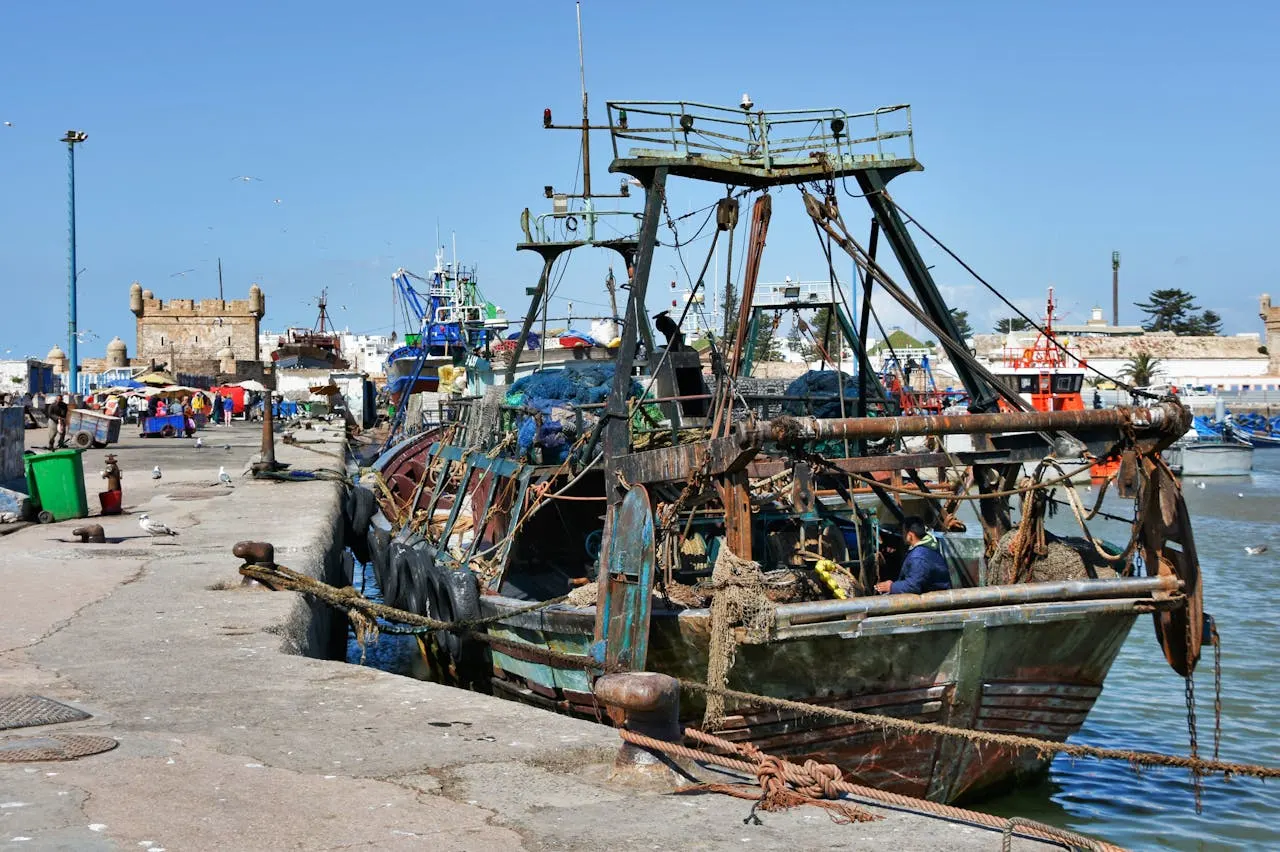
Of all the places I’ve visited in Essaouira, the Skala de la Ville is the one that stopped me completely in my tracks. I walked up the stone steps not knowing what to expect, and then the Atlantic opened up in front of me. Waves crashing against ancient cannons, seagulls riding the wind, the fishing port glittering below, and the sun beginning its slow descent toward the horizon. I stood there for almost an hour.
The Skala de la Ville is a 18th-century Portuguese sea fortress built along the northern edge of Essaouira’s medina. Its massive stone ramparts stretch along the coastline, studded with a row of bronze cannons that once defended the city from naval attack. Today, those same cannons point harmlessly out to sea but the fortress remains one of the most dramatic and photogenic spots in all of Morocco.
The Skala is actually two separate structures worth visiting:
The walk along the top of the ramparts takes about 20–30 minutes at a leisurely pace. Along the way, you’ll pass small artisan workshops built into the base of the walls some of the best thuya woodcarvers in Essaouira have their ateliers right here, carved into the ancient stonework.
If you visit only once, time it for one hour before sunset. The light turns the stone walls golden, the cannons cast long shadows, and the entire Atlantic glows orange and pink. It’s the kind of scene that makes you reach for your camera every thirty seconds.
💡 My insider tip: Most tourists crowd the very top of the main rampart for sunset. Instead, walk down to the small platform at the northern end of the Skala it’s slightly lower, less crowded, and gives you a better angle on both the cannons and the horizon. I almost had it to myself on a Tuesday evening in September.
If you’re a fan of Game of Thrones, you might recognise the Skala de la Ville parts of Essaouira’s ramparts were used as filming locations for Astapor in Season 3. The city doesn’t make a huge deal of it, which somehow makes the discovery more fun.
📌 Practical Information
| Location | Northern edge of the medina, 5 min walk from Place Moulay Hassan |
| Opening Hours | Daily 9am – 6pm (Skala de la Ville: free access) |
| Entry Fee | Skala de la Ville: Free | Skala du Port: $1 |
| Time Needed | 30–60 minutes |
| Best Time | 1 hour before sunset for best light and atmosphere |
| Photo Tip | Stand at the northern end for the best cannon + horizon shot |
| Watch Out | Walls can be windy and slippery wear grip-sole shoes |
After soaking in the views from the ramparts, head back down into the medina and follow the sound of bargaining and laughter into Essaouira’s vibrant souks where some of the most unique shopping in Morocco awaits.
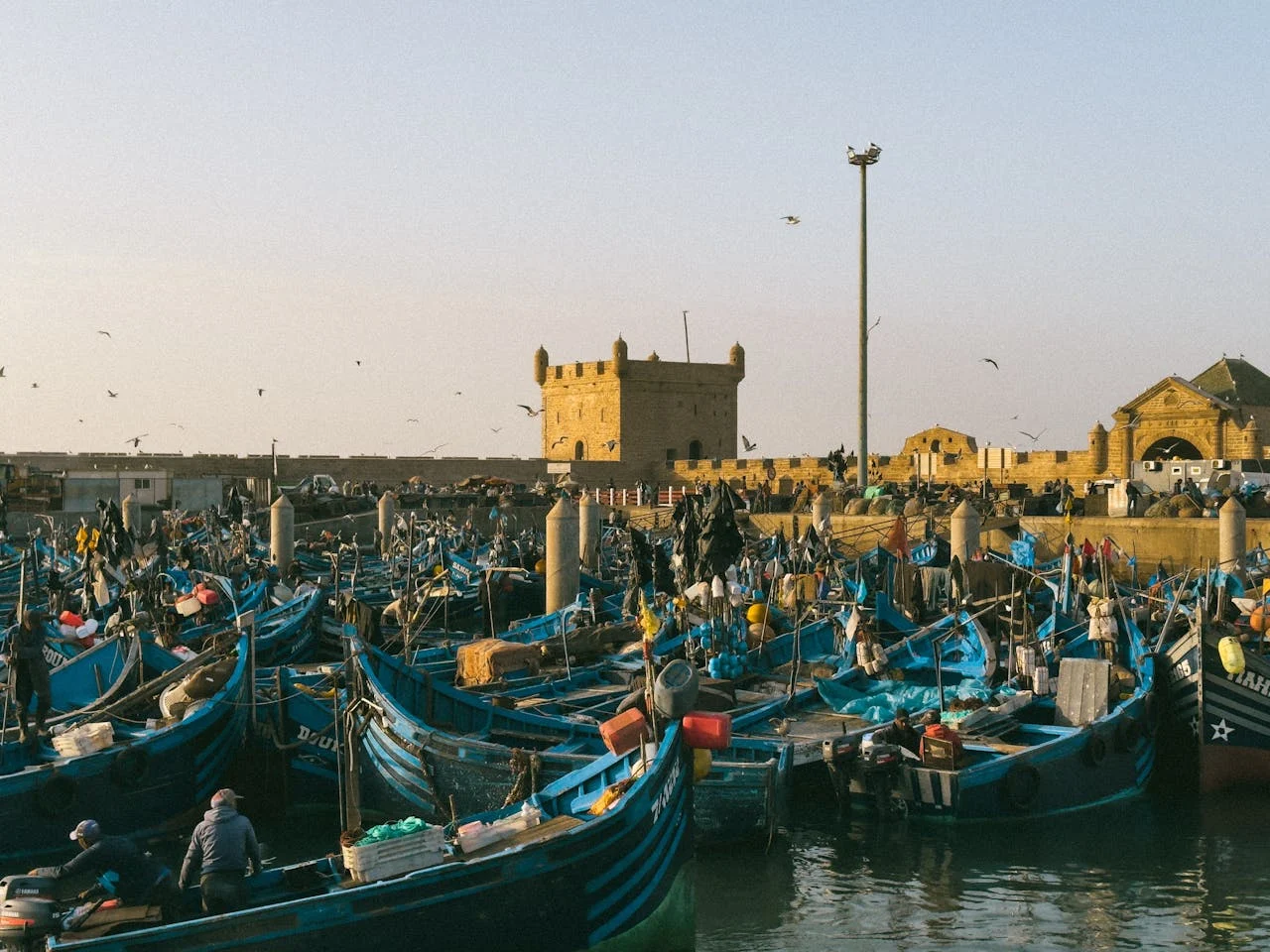
I’ll be honest I’m not usually a big shopper when I travel. But Essaouira completely changed that. There’s something different about shopping here. The artisans aren’t just selling products; they’re sharing centuries-old crafts that have been passed down through generations. You leave with more than a souvenir you leave with a story.
Essaouira’s souks are far more relaxed than those in Marrakech or Fes. Vendors are friendly and rarely aggressive, which makes browsing genuinely enjoyable. The medina is compact enough to cover in a few hours, but rich enough in variety that you could easily spend a full day ducking in and out of workshops and galleries.
Bargaining is expected and part of the culture but keep it friendly and fun rather than aggressive. Here’s what works:
💡 My insider tip: The best prices for thuya wood and argan oil are found in the small workshops away from the main tourist streets. Walk two or three alleys away from Avenue de l’Istiqlal and you’ll find the same quality at noticeably lower prices and the craftsmen are usually happy to show you how they work.
📌 Practical Information
| Location | Throughout the medina main souks near Avenue de l’Istiqlal |
| Opening Hours | Daily 9am – 8pm (some close Friday afternoons) |
| Budget | 50 MAD – 500+ MAD depending on items |
| Payment | Cash (MAD) preferred better prices than card |
| Time Needed | 2–4 hours for a proper browse |
| Best Buys | Thuya wood, argan oil, saffron, silver jewellery |
Once you’ve filled your bags (and hopefully your wallet isn’t completely empty), make your way to Essaouira’s legendary beach where the real Atlantic adventure begins.
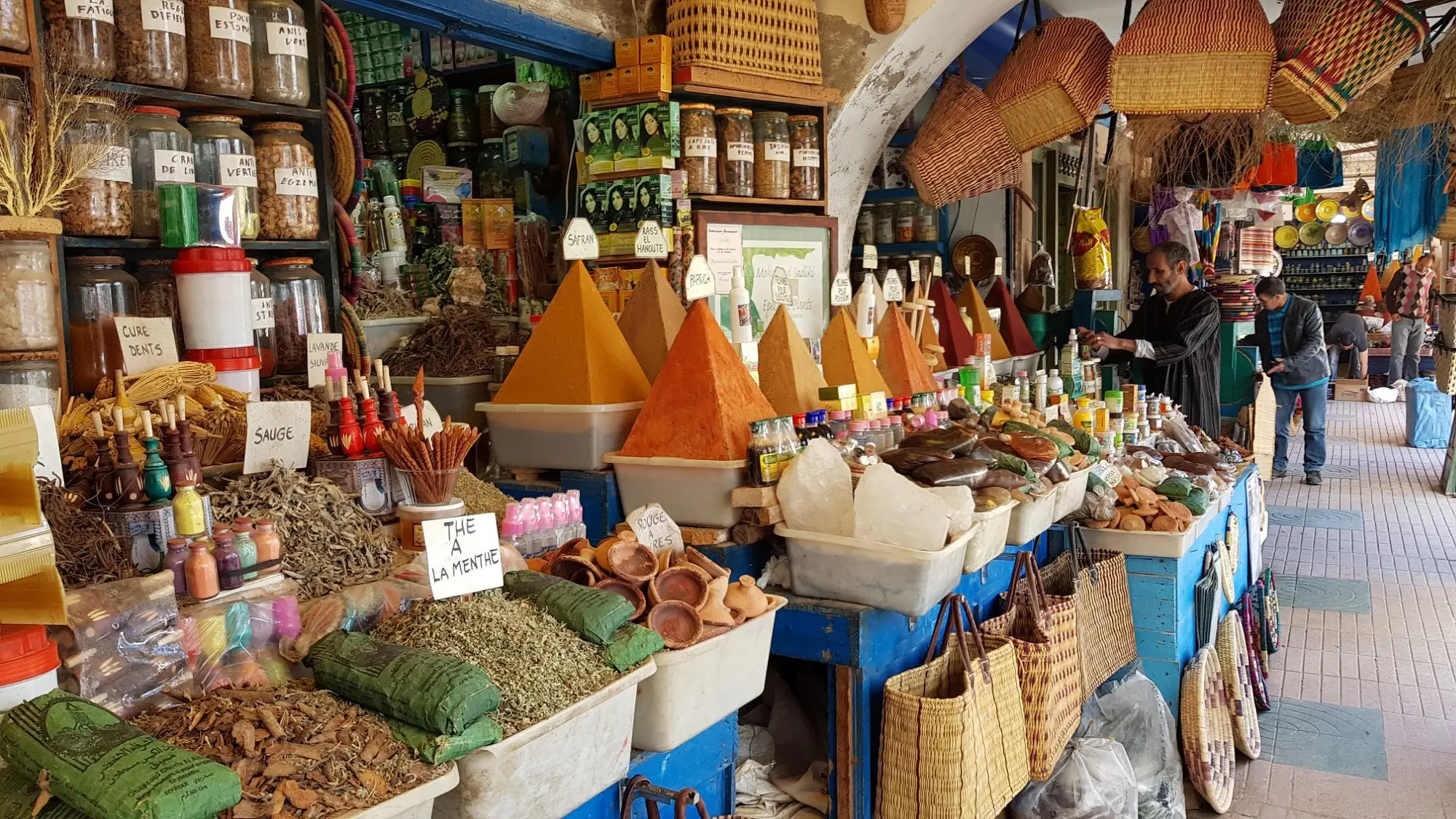
Essaouira has a nickname among wind sports enthusiasts: “the Wind City of Africa.” That tells you everything you need to know. The Alizé trade winds blow consistently from the north between June and September, making the beach one of the top kitesurfing and windsurfing destinations on the entire African continent. Even outside of peak wind season, the beach is wide, wild, and endlessly energetic.
The main beach stretches for nearly 10 kilometres south of the medina far longer than most visitors expect. The northern end, closest to town, is where most of the water sports schools and rental operators are based. The further south you walk, the more peaceful and uncrowded it becomes.
The winds peak between June and September perfect for kitesurfing and windsurfing but sometimes too strong for a relaxed beach day. Spring (March–May) and autumn (September–November) offer a better balance: decent wind for sports, warmer temperatures, and fewer crowds. Winter is mild and quiet great for long walks on an almost-empty beach.
💡 My insider tip: If you’re not into water sports, simply watching the kiters from the beach is genuinely spectacular especially around 4–6pm when the wind is at its strongest and the sky fills with colourful kites. Bring a windbreaker and find a spot on the sand dunes at the northern end of the beach for the best view.
📌 Practical Information
| Location | 10 min walk south of the medina |
| Kitesurfing Lesson | 400–600 MAD (~$40–60) for 2 hours |
| Windsurfing Rental | 200 MAD (~$20) per hour |
| Camel Ride | 100–150 MAD for 30 minutes |
| Best Wind Season | June – September |
| Beach Length | ~10 km of sandy beach |
| Safety | Strong currents in summer swim near lifeguards only |
Whether you’re riding the wind or simply watching from the shore, Essaouira’s beach never disappoints. When you’re ready to head back toward the city, make sure to stop by the fishing port one of the most authentic and photogenic spots in all of Morocco.
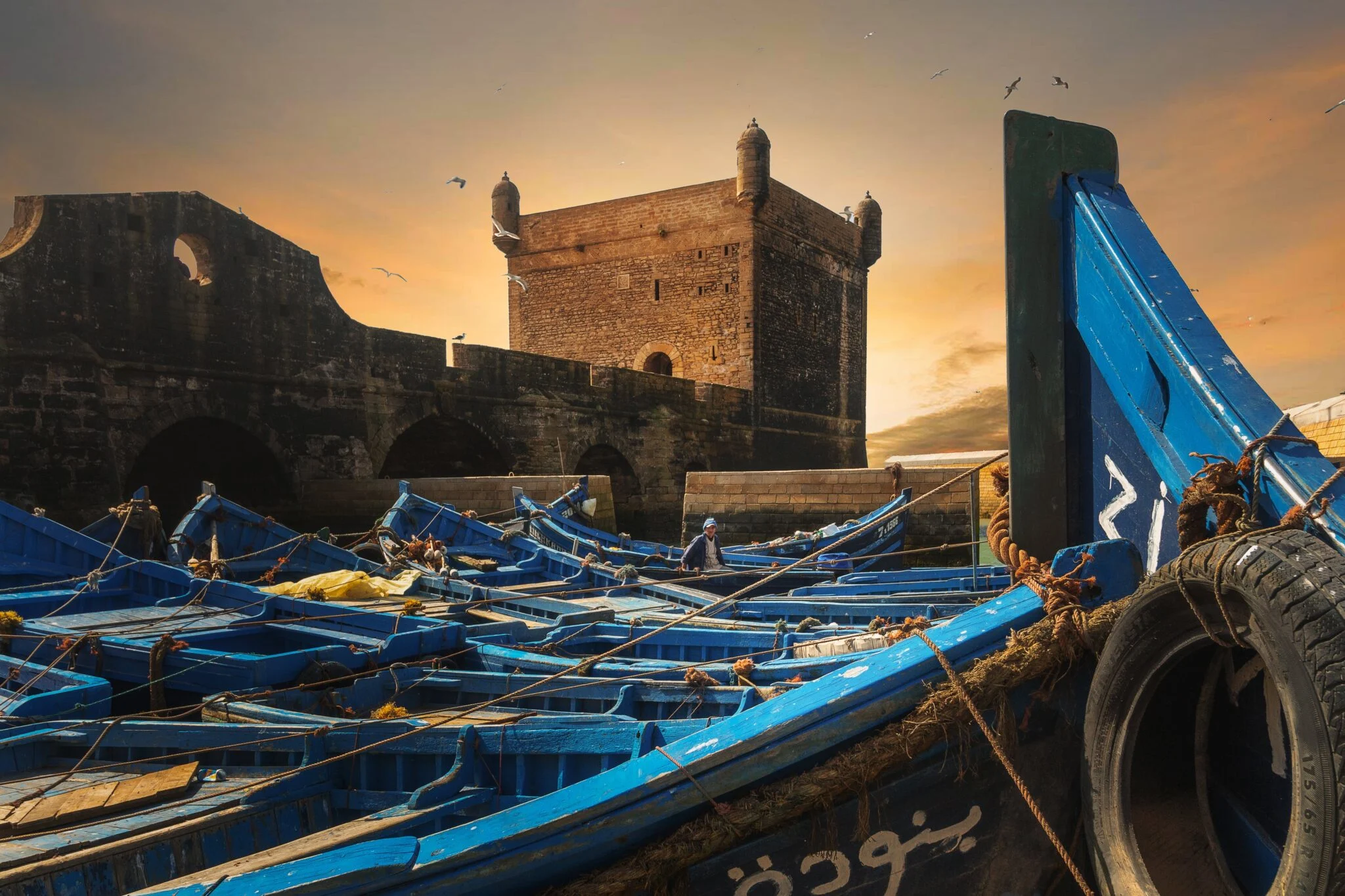
If you want to see the real, working soul of Essaouira away from the tourist cafés and souvenir stalls head straight to the fishing port. I visited early on my first morning in the city, just as the boats were coming in, and it remains one of my favourite memories from any trip to Morocco. The noise, the colour, the smell of fresh fish and salt water, the blue-painted wooden boats bobbing in the harbour it was completely alive.
Essaouira’s port is one of the most active fishing harbours on Morocco’s Atlantic coast. Every morning, fishing boats return with fresh catches of sardines, sea bass, sole, and prawns unloaded directly onto the dockside where local traders and restaurant owners are already waiting. It’s completely authentic, completely unhurried, and completely free to watch.
💡 My insider tip: The port stall vendors will call out to you as you walk past go with whoever has the freshest-looking fish on display rather than whoever shouts the loudest. Look for stalls with a queue of locals that’s always the best sign. Ask to smell the fish before agreeing to eat; fresh Atlantic fish should smell of the sea, nothing else.
📌 Practical Information
| Location | South of the medina, 5 min walk from Place Moulay Hassan |
| Best Time to Visit | 7am – 9am for the morning catch |
| Entry | Free (port area) | 10 MAD for Skala du Port |
| Grilled Seafood | 60–100 MAD (~$6–10) for a full plate |
| Time Needed | 1–2 hours including lunch |
| Photo Tip | Morning light on blue boats best before 9am |
After the port, your stomach will likely be very happy. But Essaouira’s food scene extends far beyond the harbour stalls the city has some genuinely excellent restaurants worth exploring for dinner.
Essaouira’s food scene is one of its best-kept secrets. It sits at the crossroads of Moroccan tradition and Atlantic coastal cooking meaning you get the warmth of a tagine alongside the freshest seafood imaginable. On my first evening, I sat at a rooftop restaurant overlooking the ramparts, eating a slow-cooked lamb tagine with preserved lemon and olives while the Atlantic wind rattled the lanterns above me. It was one of those meals you remember for years.
For the best experience, mix street food with sit-down restaurants. The area around Place Moulay Hassan has plenty of mid-range restaurants with ocean views. For street food, head to the small alley just behind the main square where locals eat prices are half what you’ll pay on the tourist-facing terraces.
💡 My insider tip: Ask your riad host where they eat lunch. Every time I’ve done this in Morocco, I’ve been directed to an unmarked local restaurant with no English menu, incredible food, and prices that seem impossibly reasonable. In Essaouira, a full lunch with juice rarely costs more than 50–70 MAD (~$5–7) at a local spot.
📌 Practical Information
| Street Food Budget | 15–50 MAD per dish |
| Restaurant Budget | 60–150 MAD per main course |
| Best Area | Place Moulay Hassan & surrounding medina streets |
| Lunch Hours | 12pm – 3pm (most restaurants) |
| Dinner Hours | 7pm – 10pm |
| Must Try | Grilled sardines, seafood tagine, pastilla, mint tea |
After a satisfying meal, there’s no better way to wind down than a visit to one of Essaouira’s ancient hammams a tradition that dates back centuries and feels as relevant today as ever.
A hammam is not just a bath it’s a ritual that Moroccans have practised for over a thousand years. And in Essaouira, where the Atlantic wind leaves your skin dry and your muscles tired from walking cobblestones all day, there is nothing more restorative than an hour in a steaming hammam followed by a proper kessa scrub. I booked one on a whim on my second day and left feeling completely reborn.
Essaouira has two distinct options: traditional local hammams used by residents every day, and upscale tourist-oriented spas that offer the same experience with more comfort and English-speaking staff.
💡 My insider tip: If you go to a traditional hammam, visit in the mid-morning (10am–12pm) when it’s least crowded. Avoid Friday mornings when demand spikes before the weekly prayers. The experience is far more relaxing when the steam room isn’t packed. Always bring flip-flops and a change of clothes.
📌 Practical Information
| Traditional Hammam | 15–30 MAD (~$1.50–3) |
| Tourist Spa Package | 200–500 MAD (~$20–50) |
| Best Time | 10am – 12pm (least crowded) |
| What to Bring | Flip-flops, towel, change of clothes |
| Duration | 45–90 minutes |
| Separate Areas | Yes men and women always separate |
Once you’ve emerged from the hammam feeling fresh and relaxed, Essaouira’s vibrant festival scene awaits and if you’re lucky enough to visit in June, you’re in for something truly extraordinary.
If your visit to Essaouira happens to coincide with the Gnaoua World Music Festival, consider yourself extraordinarily lucky. Held every June, this four-day festival transforms the entire city into one enormous open-air concert venue the medina streets, Place Moulay Hassan, and the beach all become stages. Attendance regularly reaches 400,000 people over the four days, making it one of the largest music festivals on the African continent.
The festival celebrates Gnaoua music a hypnotic, deeply spiritual tradition brought to Morocco by sub-Saharan African communities centuries ago. Built around the guembri (a three-stringed bass lute), qaraqeb (iron castanets), and call-and-response vocals, Gnaoua music has a trance-like quality that is completely unlike anything else. The festival pairs traditional Gnaoua masters with jazz musicians, blues artists, and world music performers from across the globe creating collaborations that are genuinely unlike anything you’ll hear anywhere else.
💡 My insider tip: Book your accommodation at least 3–4 months in advance if you’re planning to visit during the festival. Essaouira’s riads and hotels sell out completely, and prices can double or triple. The festival website (festival-gnaoua.net) publishes the exact dates and lineup each spring.
Even outside festival season, Gnaoua music is woven into the fabric of daily life in Essaouira. You’ll hear it in the streets, in small cafés, and at informal evening gatherings throughout the year. The city’s Gnaoua community is one of the most active and welcoming in Morocco don’t hesitate to stop and listen whenever you hear it.
📌 Practical Information
| Book Accommodation | 3–4 months in advance minimum |
| Festival Dates | Every June (4 days check festival-gnaoua.net) |
| Outdoor Stages | Free entry |
| Indoor Concerts | 50–200 MAD (~$5–20) per show |
| Attendance | ~400,000 visitors over 4 days |
| 3–4 months in advance minimum | |
| Music Style | Traditional Gnaoua fused with jazz, blues, world music |
Whether or not you visit during the festival, Essaouira’s connection to music runs deep. And just off the coast, a very different kind of natural wonder awaits the wild and beautiful Mogador Island.
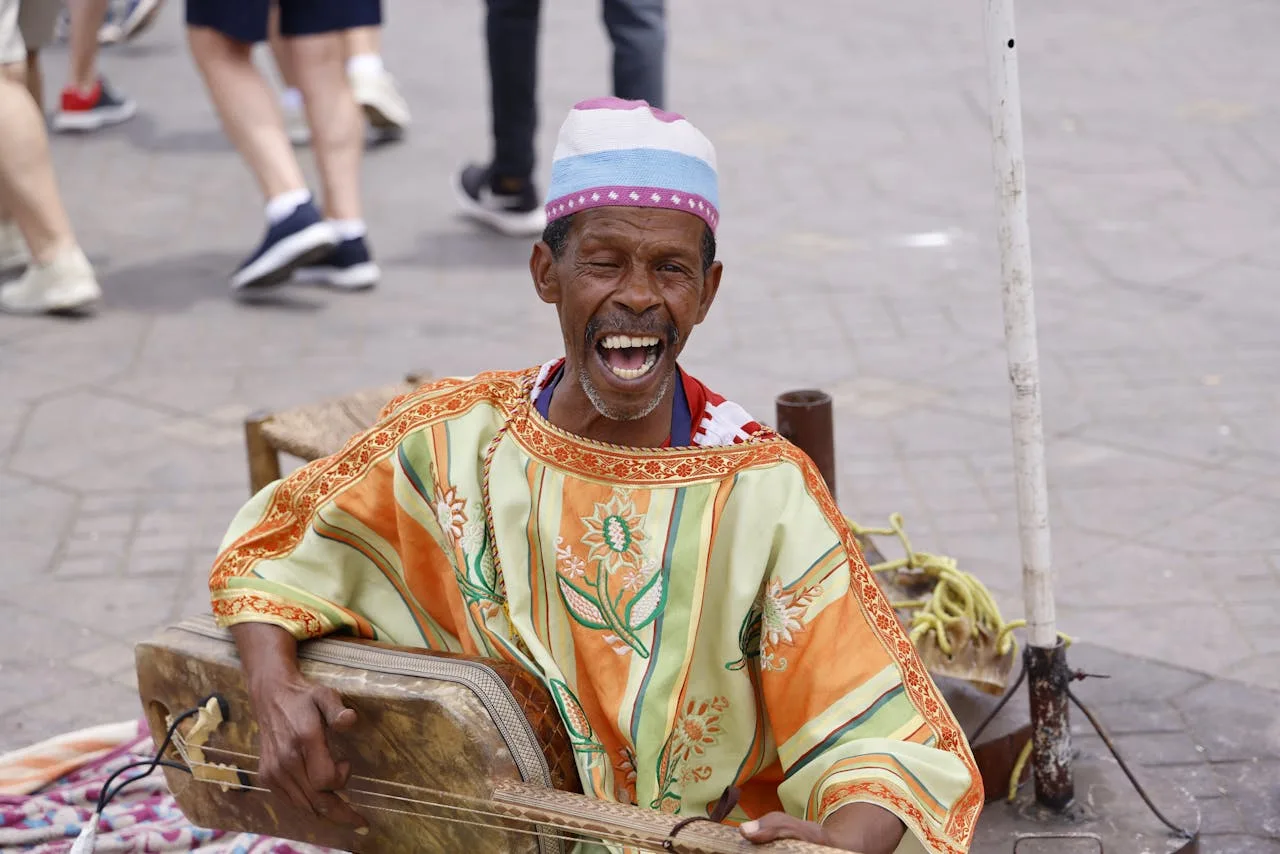
Most visitors to Essaouira spend all their time in the medina and on the beach and completely miss the wild, windswept island sitting just 3.5 kilometres off the coast. Mogador Island (Île de Mogador) is a protected nature reserve, home to one of the rarest birds of prey in the world, and one of the most rewarding half-day excursions you can make from Essaouira.
The island has a long and layered history. The Phoenicians used it as a trading post centuries before the common era. The Portuguese built a fortress here in the 16th century its crumbling ruins are still visible today. And the Berber name “Mogador” is believed to derive from the Amazigh word for “well-protected” a fitting description for an island that has outlasted every empire that claimed it.
💡 My insider tip: The island is a protected nature reserve, so access is restricted and must be arranged through licensed boat operators at the port. Trips typically depart in the morning and return by early afternoon. Book the day before at the port don’t wait until the morning of your planned visit as spaces fill quickly in summer.
📌 Practical Information
| Departure Point | Essaouira fishing port |
| Boat Ride | ~20 minutes each way |
| Round-Trip Ticket | ~150 MAD (~$15) per person |
| Best Season | May – October (falcon nesting season) |
| Time Needed | Half day (3–4 hours including boat) |
| Bring | Binoculars, sunscreen, water, camera |
| Note | Protected reserve stay on marked paths |
Back on the mainland and with the sea breeze still in your hair, follow the sound of music drifting through Essaouira’s streets because in this city, live music is never far away.
Essaouira has earned a reputation as Morocco’s music capital and spending even a single evening wandering its streets will show you exactly why. From the moment the sun starts to dip, the city fills with sound. Gnaoua musicians set up on street corners, their guembri
bass lines rumbling through the alleyways. Groups of young musicians jam outside the city gates. And inside the cafés and restaurants, impromptu performances seem to start whenever enough people are gathered and the mood is right.
💡 My insider tip: Ask your riad host if there are any lila ceremonies happening during your stay. These traditional all-night Gnaoua ritual gatherings are not tourist events they are living spiritual ceremonies but respectful visitors are occasionally welcomed. The experience is unforgettable and completely unlike anything available at a festival or concert venue.
📌 Practical Information
| Cost | Free (street music) small tip always appreciated |
| Best Time | 6pm – 10pm daily, especially weekends |
| Best Spot | Place Moulay Hassan & medina alleyways |
| Music Style | Gnaoua, Chaabi, Andalusian, Jazz fusion |
There’s something about Essaouira’s energy the constant sea breeze, the unhurried pace, the absence of car horns and tourist touts that makes it one of Morocco’s most naturally restorative destinations. It’s no coincidence that the city has become a hub for wellness retreats, yoga studios, and holistic healing practices over the past decade.
Several riads and dedicated retreat centres offer multi-day yoga and meditation programmes throughout the year typically combining morning yoga sessions on rooftop terraces overlooking the Atlantic with afternoon hammam treatments, sound healing sessions, and Moroccan cooking classes. Week-long retreat packages generally cost between $500–$1,200 per person including accommodation and meals, depending on the provider and season.
Even if you’re not joining a formal retreat, the city’s atmosphere lends itself to self-directed wellness: long beach walks at sunrise, rooftop meditation as the call to prayer echoes across the medina, or simply sitting on the ramparts and watching the ocean for an hour without looking at your phone.
💡 My insider tip: The beach at dawn before the wind picks up and before any other visitors arrive is one of the most peaceful places I’ve experienced anywhere in the world. Even 30 minutes of quiet walking along the shore at sunrise sets a tone for the entire day that no yoga class can quite replicate.
📌 Practical Information
| Retreat Packages | $500–$1,200 per person (week-long, full board) |
| Drop-in Yoga Class | 100–200 MAD (~$10–20) per session |
| Best Season | Spring (March–May) & Autumn (Sept–Nov) |
| What’s Included | Yoga, hammam, sound healing, cooking classes |
Beyond the water sports and the kite surfers, Essaouira’s beach is simply a wonderful place to be. The main beach Plage d’Essaouira stretches nearly 10 kilometres south of the medina walls, wide and flat and fringed with low sand dunes. On a clear day, you can see the white ramparts of the city from almost anywhere on the shore a view that never loses its magic.
💡 My insider tip: The wind on Essaouira’s beach can be deceptively strong what feels like a pleasant breeze at the medina often becomes a full sandstorm on the open beach in the afternoon. Head to the beach in the morning for the calmest conditions. Always bring a windbreaker, regardless of the temperature.
📌 Practical Information
| Location | 10 min walk south of the medina gates |
| Beach Length | ~10 kilometres of sandy beach |
| Entry | Free |
| Swimming | Possible year-round strong currents in summer |
| Best Time | Morning (calmer wind) or sunset (golden light) |
| What to Bring | Windbreaker, sunscreen, water always |
Essaouira’s nightlife won’t compete with Marrakech or Casablanca for late-night clubs and rooftop bars and that’s entirely the point. The city winds down at its own pace, and evenings here have a gentle, unhurried quality that feels like exactly the right way to end a day of exploring.
How to Spend Your Evenings in Essaouira
💡 My insider tip: The best evening in Essaouira follows a simple formula: sunset at the Skala, dinner in the medina, live music at a local café, and a slow walk home along the ramparts. No planning required just follow the music and the lantern light.
📌 Practical Information
| Evening Starts | From 6pm sunset is the signal |
| Mint Tea | 10–20 MAD at any medina café |
| Rooftop Dinner | 100–200 MAD per person reserve ahead |
| Live Music Bars | No cover charge at most venues |
| Last Orders | Most bars close midnight – 1am |
| Evening Walk | Ramparts at night free & unmissable |
And with that, you have everything you need to experience the very best of Essaouira from its ancient medina walls to its wild Atlantic shore, from the first morning light on the harbour to the last note of Gnaoua music drifting through the night air.
Essaouira’s central location on Morocco’s Atlantic coast makes it an excellent base for exploring nearby destinations. The two most popular day trips are:
Marrakech (2.5 hours): Morocco’s most iconic city with its labyrinthine souks, the Djemaa el-Fna square, and the stunning Majorelle Garden. If you haven’t visited yet, read our guide to the best places to visit in Marrakech to plan your day.
Safi (1.5 hours north): A quieter coastal town famous for its traditional pottery workshops and working fishing harbour a great half-day excursion for those who want to see a less-visited side of Morocco’s Atlantic coast.
Planning a longer Morocco trip? Our complete Morocco destination guide covers every major city with itineraries, tips, and top attractions.
For budget travellers, read our dedicated guide to the best cheap hostels in Essaouira including location, prices, and what’s included at each property.
Essaouira offers a wide range of accommodation options, from budget-friendly hostels to luxurious riads traditional Moroccan houses. Staying in a riad inside the medina gives you an authentic local experience, while beachfront hotels provide stunning sea views and direct beach access.
Budget: Riad Inna is housed in a beautiful 18th-century building just a minute’s walk from the beach. Double rooms start at $37. They also offer exciting activities like windsurfing lessons and tours.
Luxury: Hotel Le Medina Essaouira Thalassa Sea & Spa offers beachfront comfort starting at $95 per night for a double room. Located in one of Essaouira’s trendiest neighborhoods, it features a pool, two restaurants, and a relaxing spa.
Best Cheap Hostels In Essaouira To Stay At In Summer Season
The ideal time to visit Essaouira is during spring (March to May) and fall (September to November), when the weather is comfortable and crowds are smaller. Summers are windier, which is perfect for water sports enthusiasts. Winters tend to be mild and less busy, offering a peaceful experience.
Essaouira has a mild coastal climate year-round, but the afternoon winds can be quite strong especially in summer. Pack comfortable walking shoes, sunscreen, and layers to adapt to changing temperatures. In the local markets, bargaining is part of the culture, so don’t hesitate to negotiate prices when shopping for souvenirs or handmade crafts.
Essaouira’s captivating blend of history, culture, and coastal beauty makes it a unique destination in Morocco. Whether you’re wandering through the medina, enjoying beach adventures, or exploring cultural treasures, the city offers a truly memorable and enriching travel experience. Whether you’re planning your first visit or returning, the variety of things to do in Essaouira ensures every traveler finds something unforgettable.
Absolutely Essaouira is one of the most rewarding destinations in Morocco. Unlike the hectic pace of Marrakech or Fes, Essaouira offers a relaxed, genuinely authentic experience in a UNESCO World Heritage medina. With its dramatic Atlantic coastline, world-class wind sports, vibrant Gnaoua music scene, and some of Morocco’s best seafood, the city has something to offer every type of traveller. Most visitors wish they had planned to stay longer.
Two to three days is the sweet spot for most visitors. One full day is enough to cover the medina, Skala de la Ville, the port, and the beach. A second day opens up the souks, a hammam visit, and a half-day trip to Mogador Island. If you’re a water sports enthusiast or attending the Gnaoua Festival, plan for four to five days minimum. Essaouira also works well as a two-day stop on a longer Morocco itinerary between Marrakech and Agadir.
Essaouira is best known for four things: its UNESCO-listed blue-and-white medina, its status as Africa’s premier windsurfing and kitesurfing destination (earning it the nickname “Wind City of Africa”), the legendary Gnaoua World Music Festival held every June, and its exceptional fresh seafood. The city is also famous for its thuya woodcraft tradition and high-quality argan oil products, and was used as a filming location for Game of Thrones Season 3.
Yes Essaouira is widely considered one of the safest cities in Morocco for tourists, including solo female travellers. The medina has far fewer touts and hustlers than Marrakech or Fes, and the overall atmosphere is relaxed and welcoming. Standard travel precautions apply: keep an eye on your belongings in crowded areas, be aware of strong sea currents if swimming, and use registered guides or boat operators for island trips. The city has a very low rate of tourist-targeted crime.
The best time to visit Essaouira is during spring (March to May) or autumn (September to November). These shoulder seasons offer comfortable temperatures (18–24°C), smaller crowds, and reasonable accommodation prices. Summer (June to August) brings the strongest winds ideal for kitesurfing and windsurfing but sometimes too breezy for a relaxed beach day. The Gnaoua World Music Festival in June is a compelling reason to visit in summer despite the wind. Winter is mild, quiet, and beautiful perfect for those who prefer solitude and lower prices.
Yes Essaouira is approximately 2.5 hours from Marrakech by car or bus, making it a popular and very manageable day trip. CTM and Supratours buses run several departures daily from Marrakech’s bus station, with tickets costing around 80–100 MAD (~$8–10) each way. That said, a day trip only scratches the surface of what Essaouira offers if your schedule allows, staying one or two nights gives you a much richer experience of the city’s atmosphere, especially in the evenings when the day-trippers have left and the medina returns to its natural rhythm.
The primary languages in Essaouira are Moroccan Arabic (Darija) and Amazigh (Berber). French is widely spoken in restaurants, riads, and tourist-facing businesses a legacy of Morocco’s French colonial history. English is increasingly common in hotels, tour operators, and medina shops, particularly among younger residents. Spanish is occasionally heard near the port area. A few words of French or Arabic will be warmly received by locals, but you can navigate the city comfortably in English.
There are three main options for getting from Marrakech to Essaouira:
(1) Bus: CTM and Supratours operate daily services from Marrakech’s Bab Doukkala bus station. Journey time is approximately 2.5–3 hours
and tickets cost 80–100 MAD (~$8–10). Book in advance during peak season.
(2) Shared taxi (grand taxi): Departs when full from near Marrakech’s bus station. Slightly faster than the bus and costs around 100–120 MAD per seat.
(3) Private transfer: The most comfortable option, taking around 2.5 hours and costing approximately 600–900 MAD (~$60–90) for the whole vehicle. Can be arranged through your riad or a local tour operator.
[ez-toc] 📍 Part of: The Complete Morocco Travel Guide Essaouira Travel Guide: Morocco's Laid-Back Atlantic Town After the intensity of Marrakech, Essaouira feels like exhaling....
[ez-toc] If you are planning to visit Essaouira, then get ready for a journey full of unforgettable moments, luxurious nights, and many hidden wonders. Essaouira...

[caption id="attachment_16071" align="alignnone" width="828"] Cheap Hostels In Essaouira | Hostel La Smala[/caption] Best Cheap Hostels in Essaouira, Morocco (2026 Budget Guide) Looking for the best...
