Ultimate Marrakech Nightlife Guide: Bars, Clubs & Hidden ...
[ez-toc] The Ultimate Marrakech Nightlife Guide: Where to Experience the Magic After Dark Marrakech transforms as the sun sets, revealing a vibrant nightlife scene that...
Planning a trip to Morocco? Marrakech is almost certainly on your list and for good reason. The best places to visit in Marrakech offer a breathtaking mix of ancient history, vibrant street life, stunning architecture, and authentic Moroccan culture.
Whether you are a first-time visitor or returning traveller, this city will surprise you every single time.
In this guide, you will find the top Marrakech attractions you simply cannot miss in 2026, along with local tips, entrance fees, and honest advice from people who know this city well. Bookmark this page you will need it.
Before you dive in, here is a quick overview of what this guide covers:
For a full overview of the city, check out our guide to 7 best things to do in Marrakech before you travel.
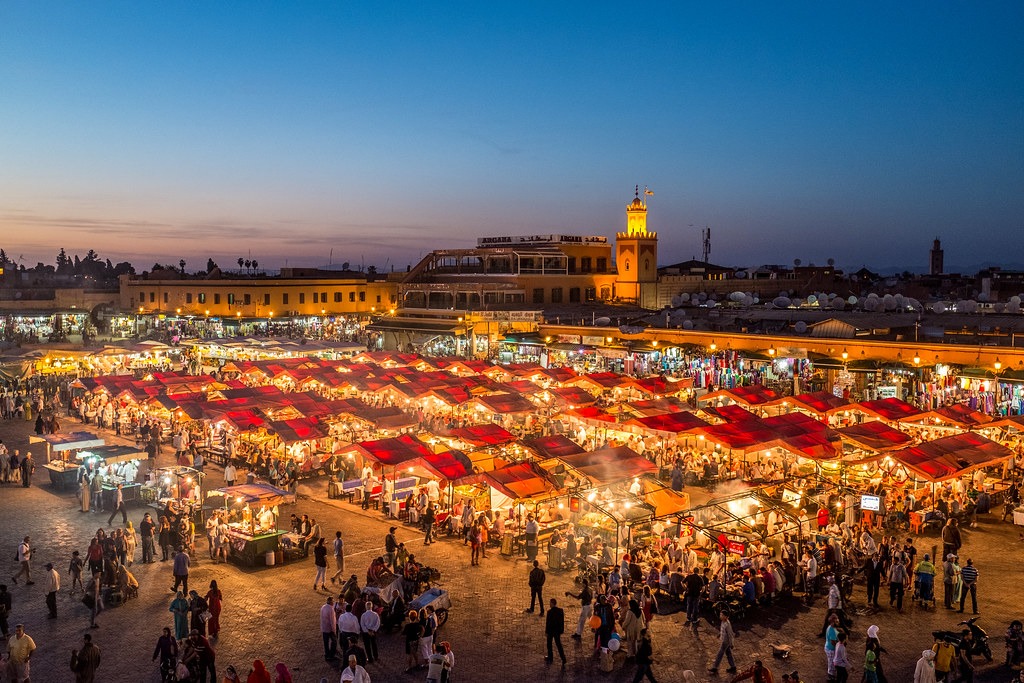
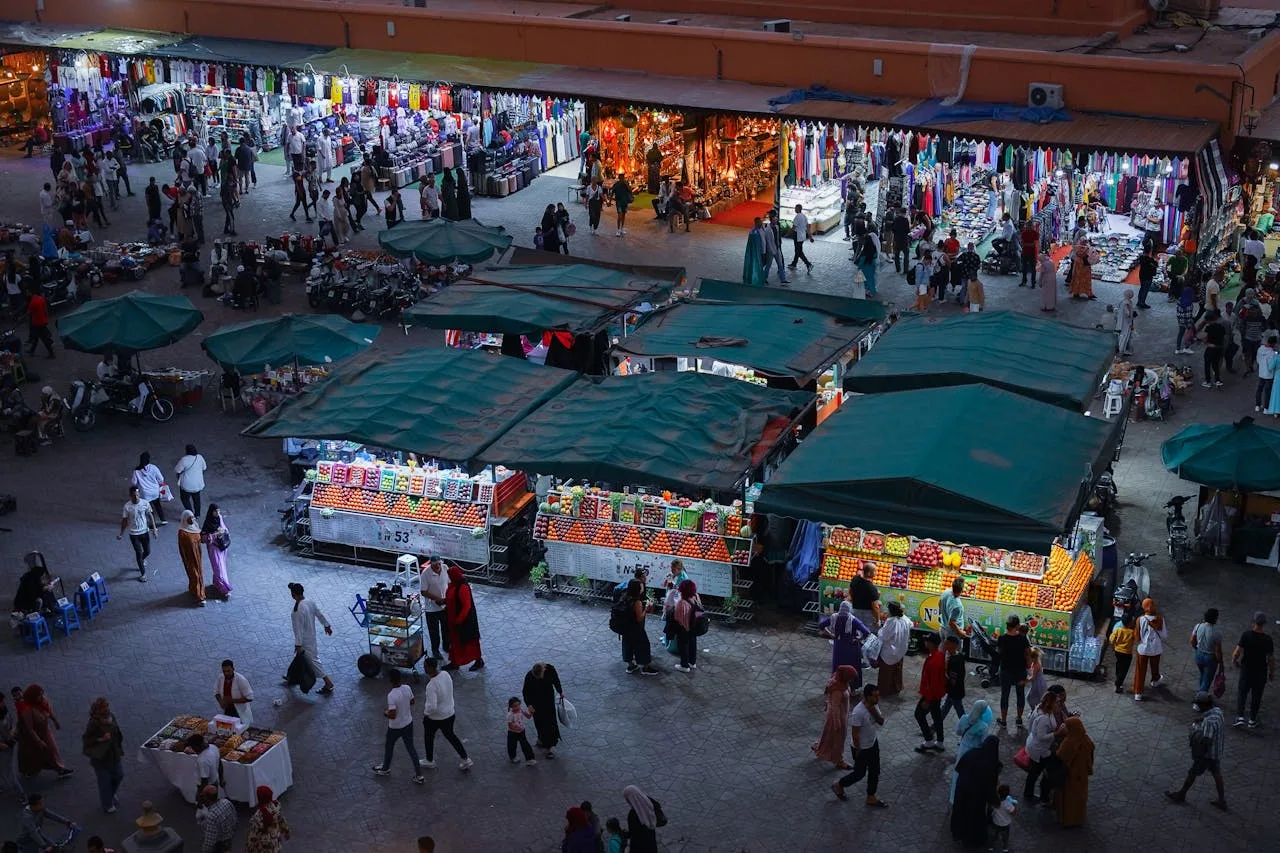
No list of the best places to visit in Marrakech is complete without starting here. Djemaa El Fna is the main square of the medina and one of the most extraordinary public spaces in the world. It is recognised by UNESCO as an Intangible Cultural Heritage.
During the day, you will find orange juice vendors, snake charmers, and henna artists. At sunset, the square transforms completely. Hundreds of food stalls appear as if from nowhere. Smoke rises from grills. Storytellers gather crowds. Musicians play Gnawa rhythms into the night.
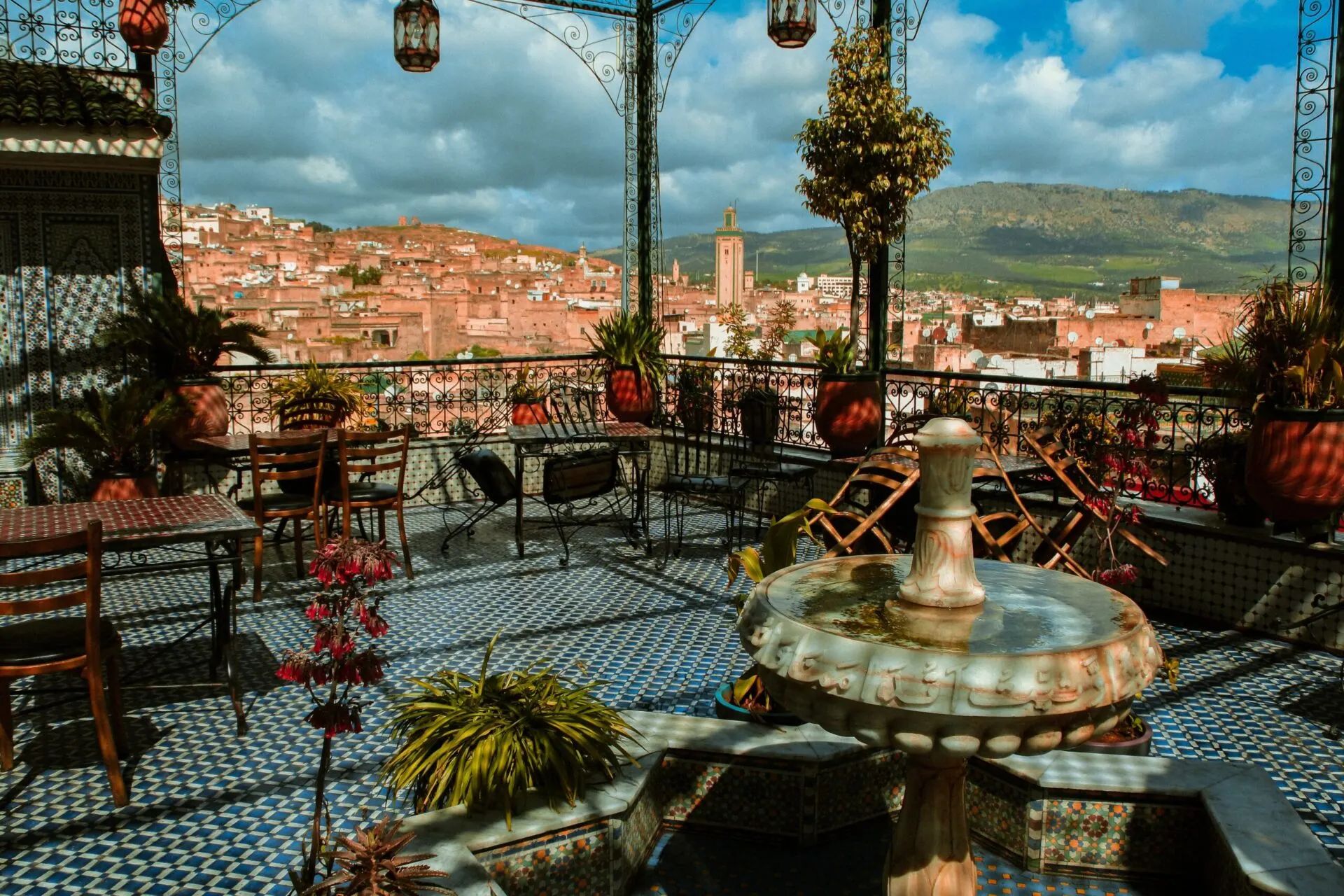
Sit at one of the rooftop cafés overlooking the square. Order a glass of Moroccan mint tea. Watch the chaos unfold below you. This is one of those travel moments you will never forget.
Local tip: The best time to visit is between 6 PM and 9 PM. The energy peaks at sunset. Arrive early to claim a good rooftop café seat before the crowds fill every table.
Tourist mistake to avoid: Accepting anything from performers without agreeing on a price first. Snake charmers, henna artists, and musicians will expect payment. Always negotiate before engaging.
Safety note: Pickpockets are active in this area, especially at night. Keep your phone in your front pocket. Carry only the cash you need for that evening.
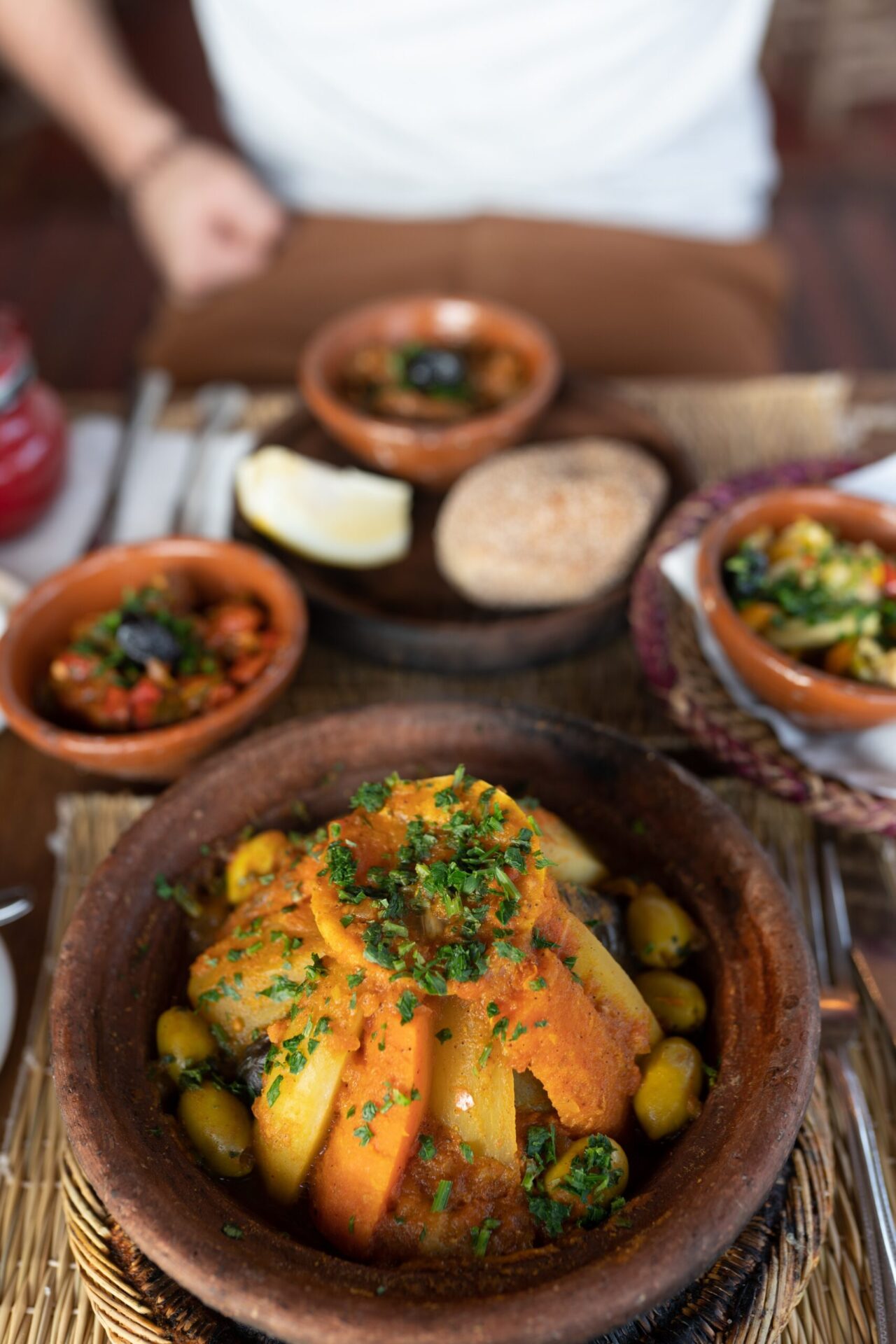
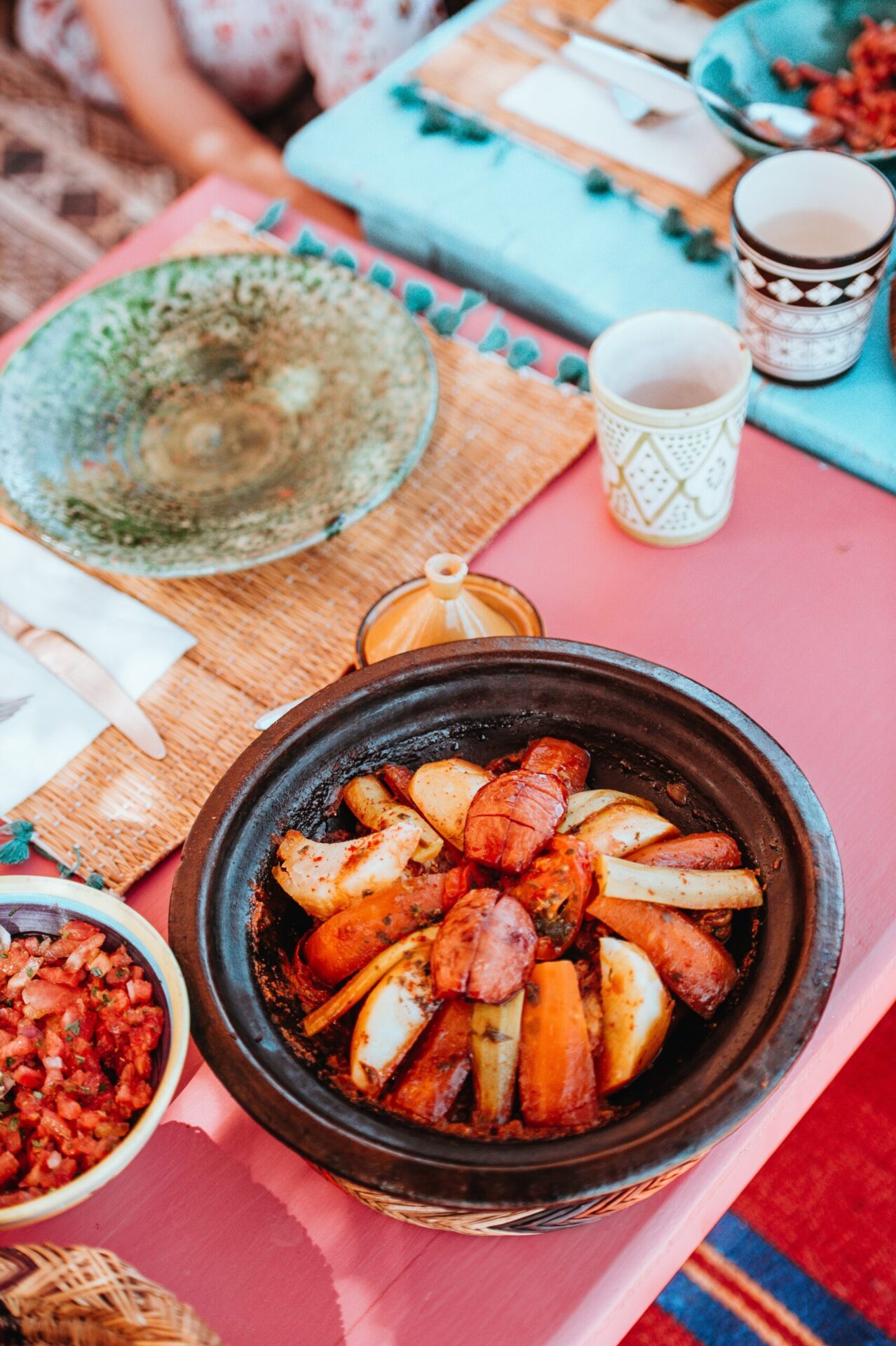
The square itself is surrounded by excellent dining options, from street food stalls to celebrated restaurants. Here are the best spots to eat near Djemaa El Fna:
Do not leave without trying a steaming bowl of Harira soup from one of the evening stalls. It costs less than a dollar and it is genuinely delicious.
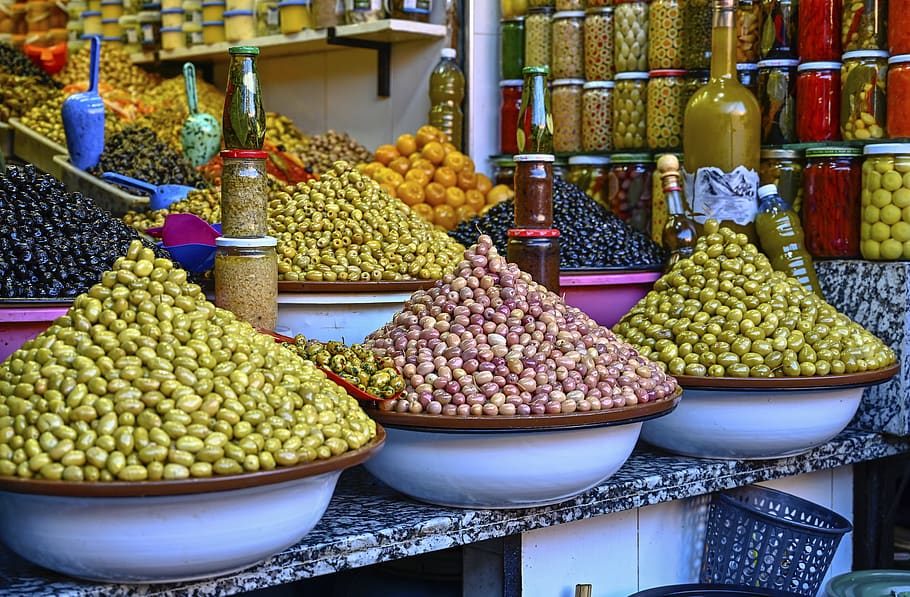
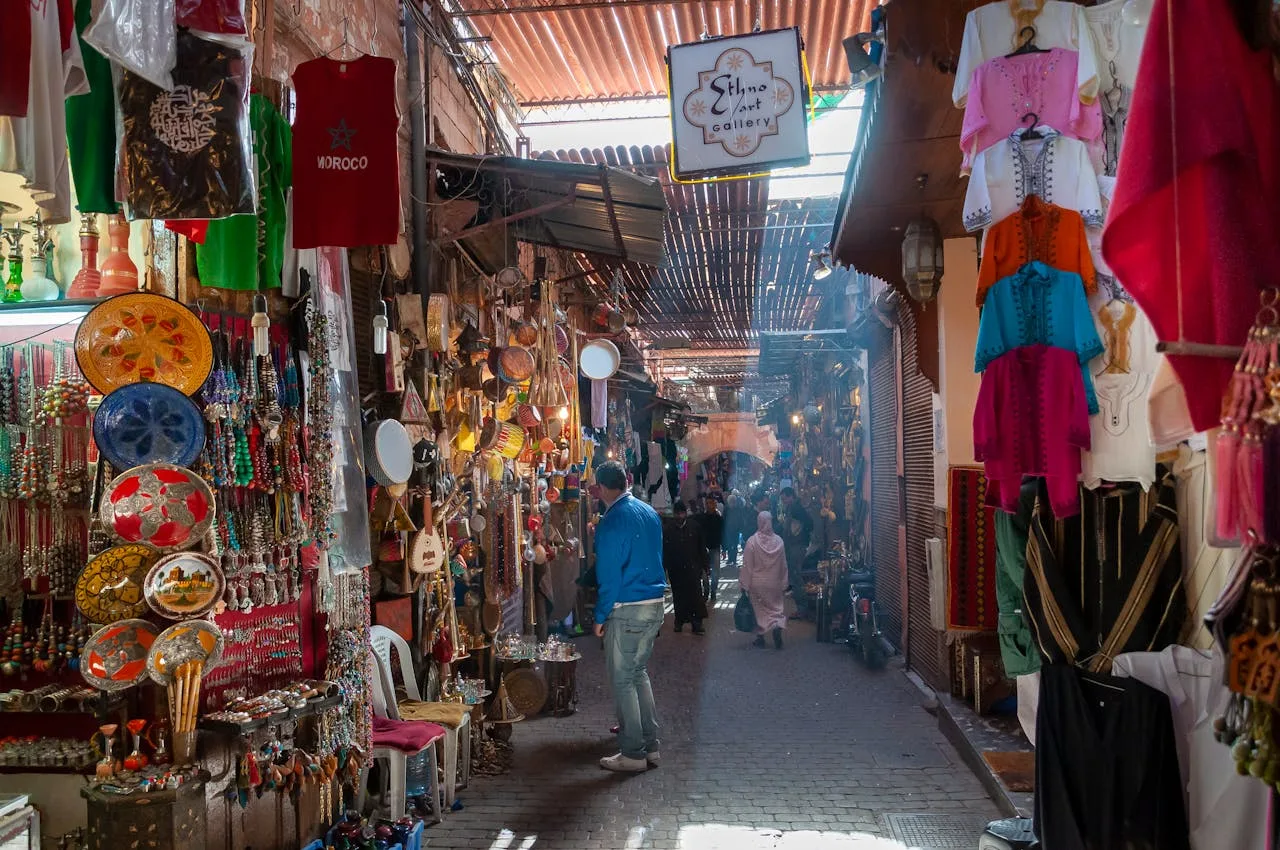
Step into the Medina Souks and you enter a different world entirely. The streets are narrow and winding. Every alley smells different one moment it is leather, the next it is cumin and cinnamon. The sounds change too: hammering from the metal workers, calls from vendors, distant music.
The souks are organised loosely by trade. Knowing which souk sells what will save you a great deal of time and confusion. Here are the main souks to explore:
Local tip: Bargaining is expected and respected. The first price quoted is almost never the final price. Start at roughly half the asking price and negotiate from there. Smile throughout it is part of the culture.
Tourist mistake to avoid: Following a “friendly local” who offers to show you around for free. This almost always ends at a relative’s carpet or leather shop with heavy pressure to buy. Explore on your own or hire an official licensed guide.
Learn more about shopping safely in Morocco in our dedicated guide to staying in the Marrakech medina.
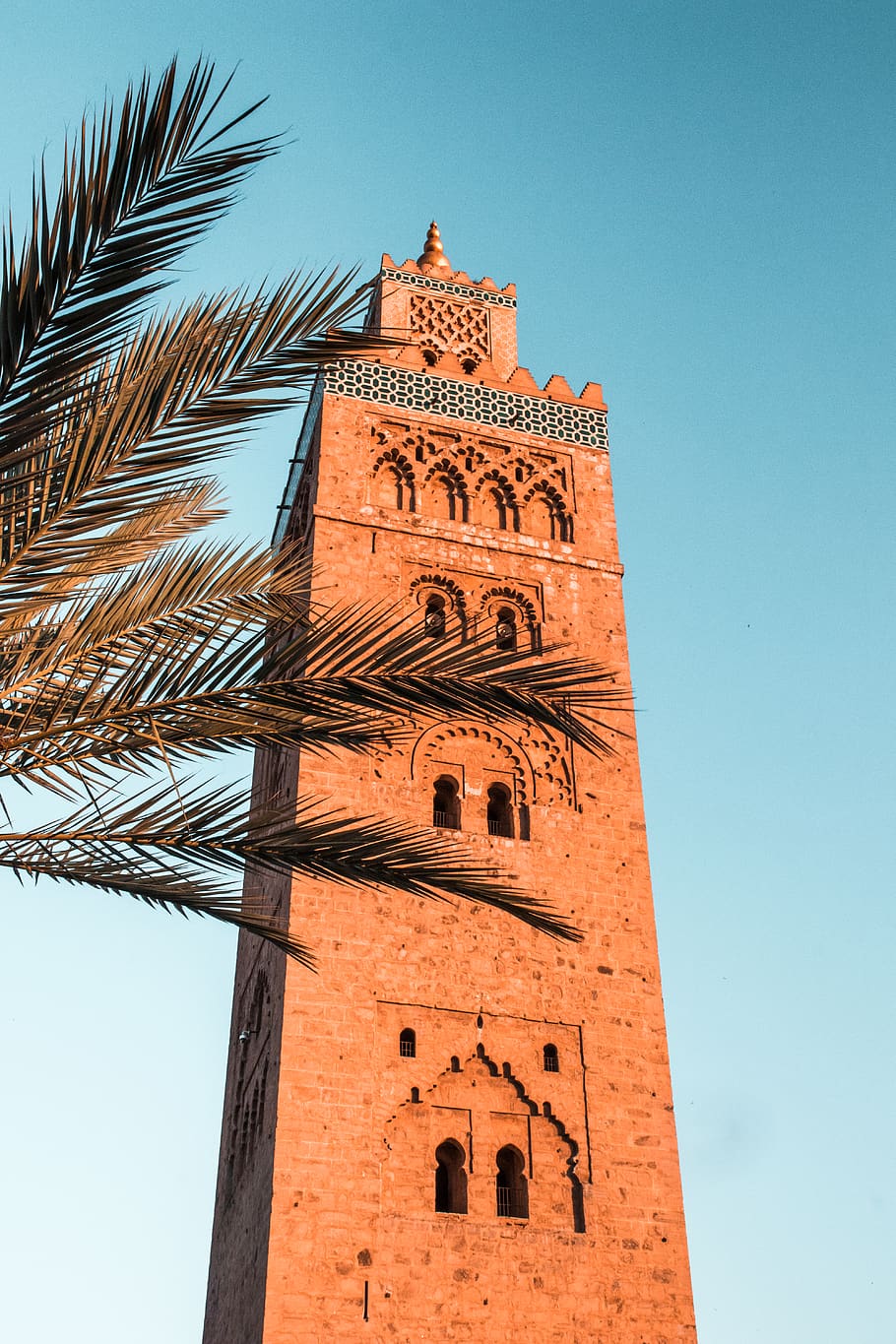
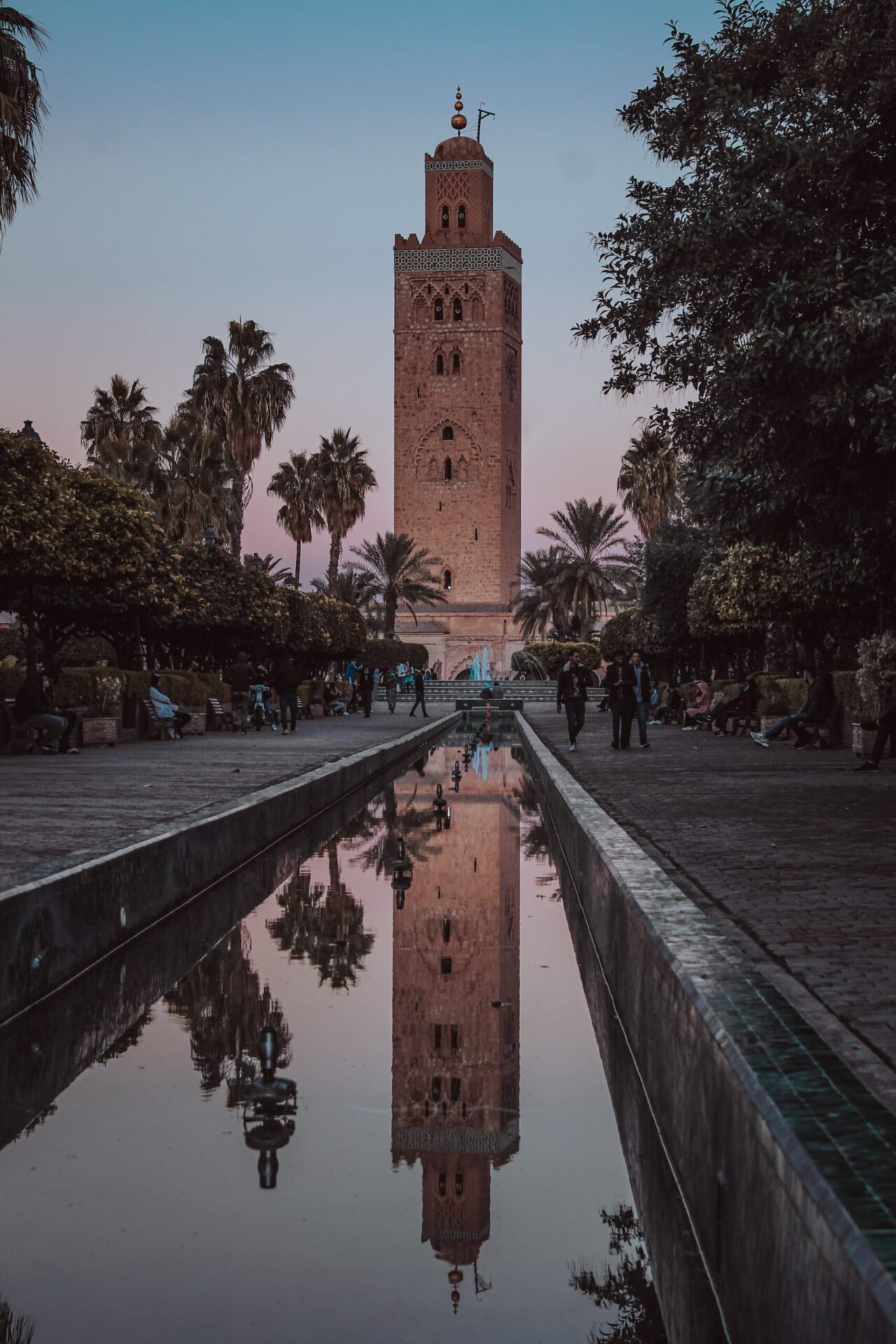
The Koutoubia Mosque is the most recognisable building in Marrakech. Its 70-metre minaret has dominated the city skyline for over 850 years. Built in 1162 during the Almohad dynasty under Sultan Abd Al-Mu’min, it remains one of the finest examples of Moorish architecture in the world.
Non-Muslims cannot enter the mosque itself. But the gardens surrounding it are open to everyone and are absolutely worth a visit. The rose gardens are beautifully maintained and the minaret makes for incredible photographs at any time of day.
Best time to visit: Early morning for soft light photography, or at night when the minaret is illuminated against the dark sky. The call to prayer at dusk here is genuinely moving.
Local tip: The Koutoubia gardens are one of the few quiet spots near the medina centre. If the souks are overwhelming you, come here for 20 minutes to decompress.
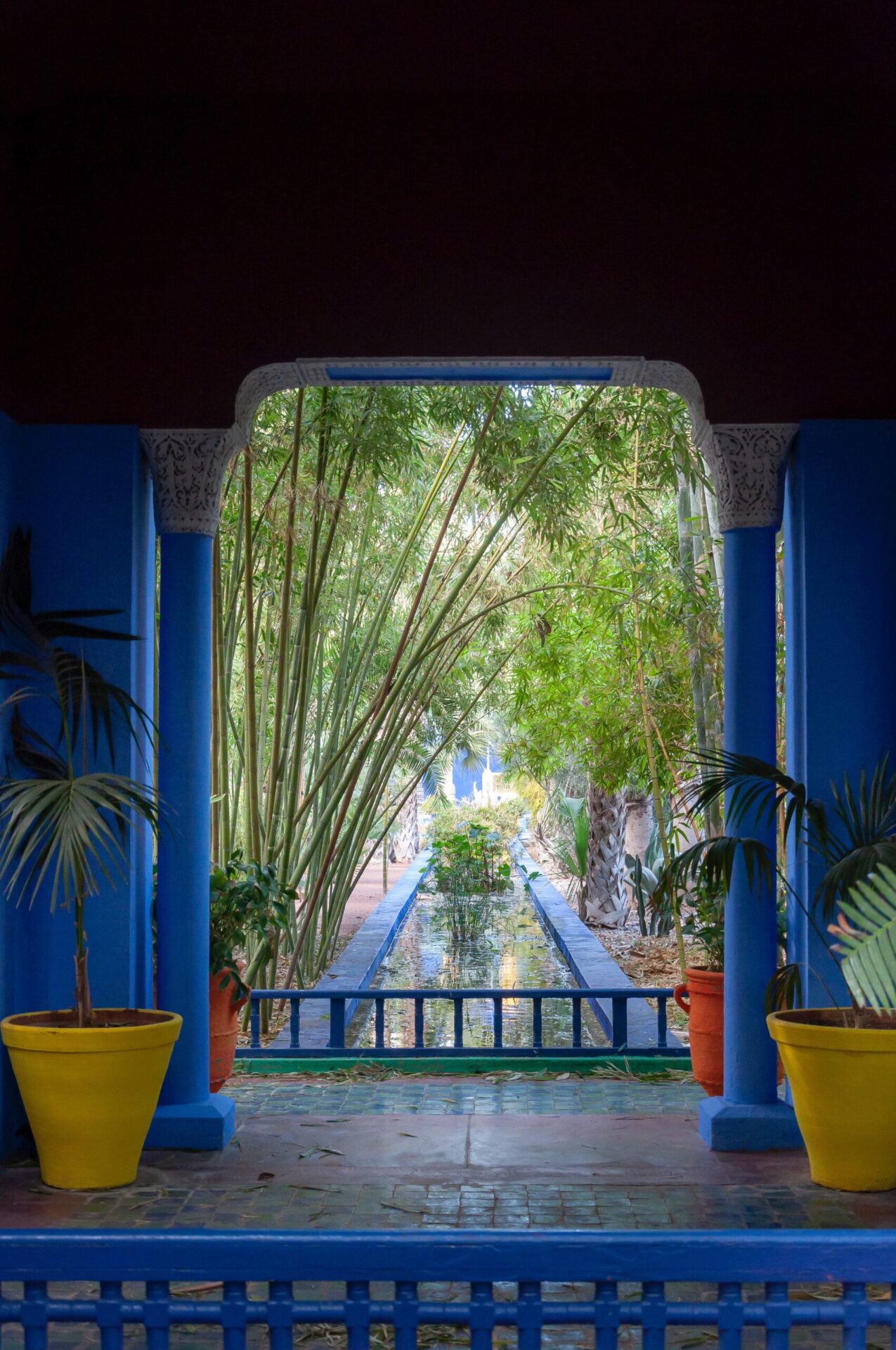
Jardin Majorelle is one of the most visited places in all of Morocco and when you see it, you will understand why instantly. French painter Jacques Majorelle spent 40 years creating this extraordinary botanical garden in the heart of Gueliz between 1923 and 1962.
The garden is famous for its striking shade of cobalt blue now known worldwide as Majorelle Blue. The contrast between the vivid blue buildings, green bamboo, yellow pots, and pink bougainvillea is unlike anything else in Morocco.
Fashion designer Yves Saint Laurent purchased and restored the garden in 1980 after it fell into disrepair. His ashes were scattered here after his death in 2008. Today the garden is also home to the Berber Museum, which houses an impressive collection of Amazigh art and artefacts.
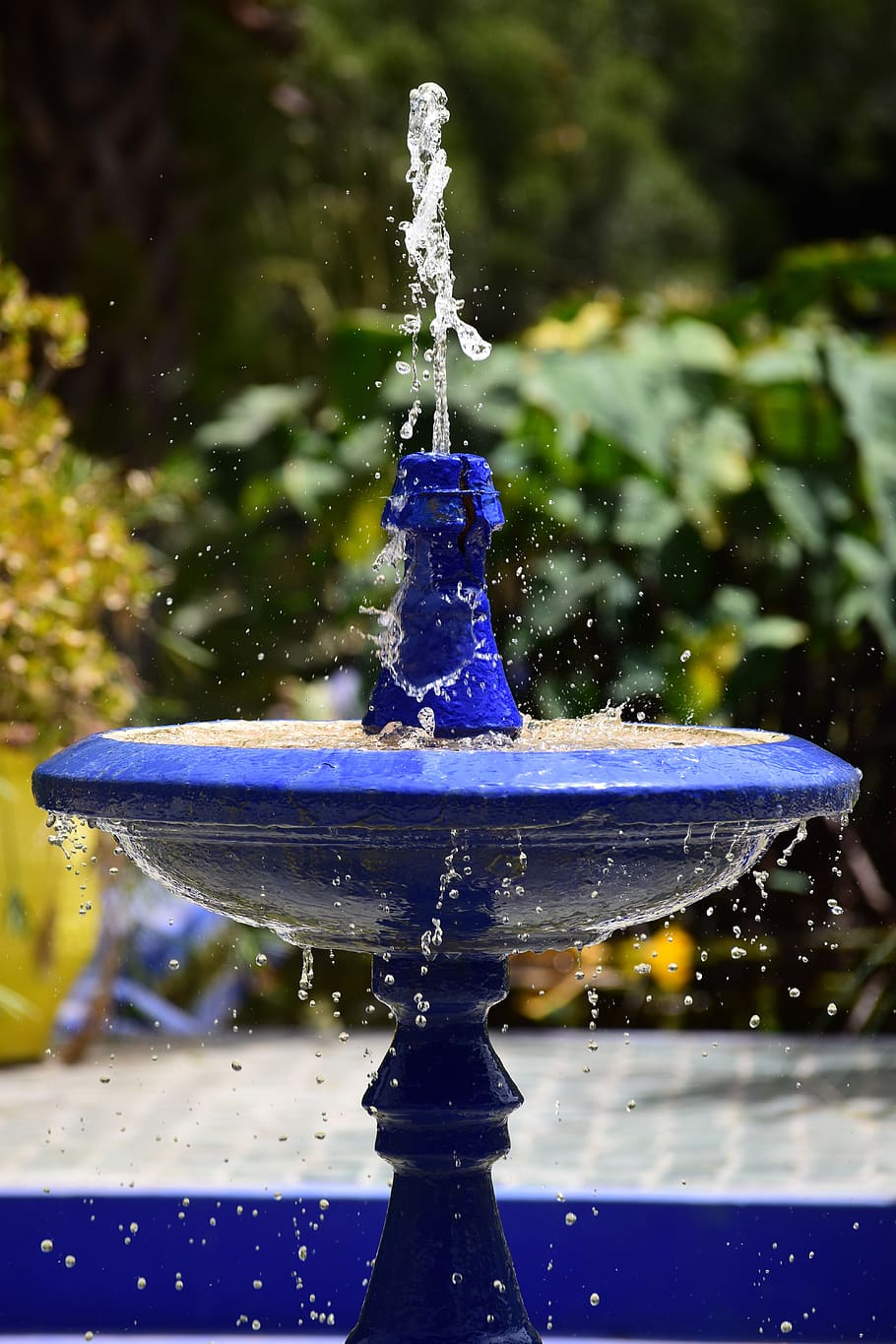
Local tip: Book your ticket online in advance during peak season (March–May and October–November). The queue at the gate can be 45 minutes long without a pre-booked ticket.
Tourist mistake to avoid: Going at midday in summer. The heat is intense and the crowds peak. Go early or late afternoon for a far more pleasant experience.
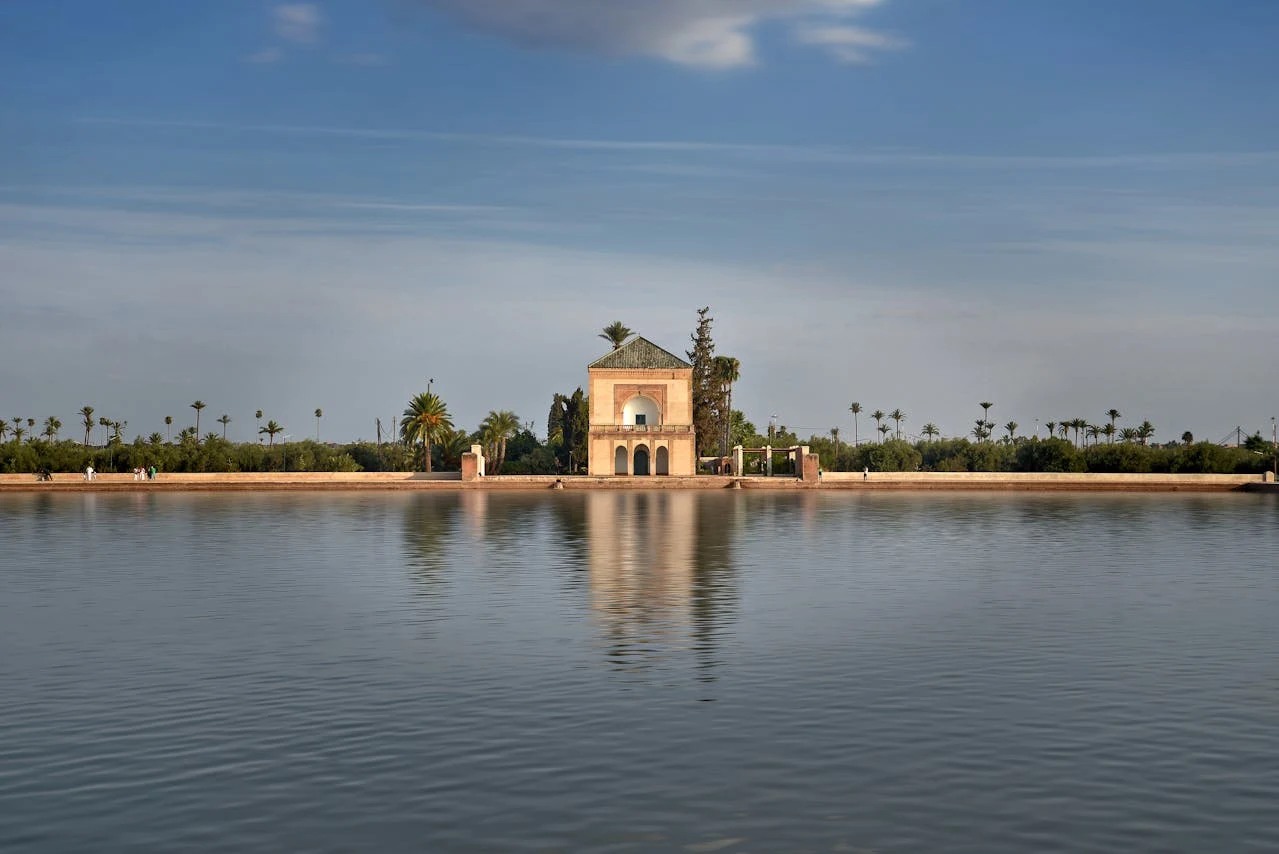
If you need a break from the intensity of the medina, the Menara Gardens are your answer. Located just west of the old city, these vast gardens stretch across an ancient olive grove that dates back to the 12th century Almohad era.
At the centre of the gardens sits a large rectangular reflecting pool, fed by an underground irrigation channel from the Atlas Mountains. The sight of the green pavilion reflected in the still water, with the snow-capped peaks behind it on a clear day, is one of the most photographed scenes in all of Morocco.
This is a wonderful place to bring children. They can feed the fish in the pool and run freely through the olive groves. It is also a favourite spot for local Marrakchi families on weekends, which makes it a lovely place to experience everyday Moroccan life away from the tourist circuit.
Entrance fee: Free (small fee to enter the pavilion)
Best time to visit: Late afternoon the mountains glow pink and orange at sunset
Marrakech has far more to offer than five places. Once you have explored these highlights,
use our other guides to go deeper into the city:
You can also read Lonely Planet’s Marrakech guid for additional destination background and inspiration.
Ready to book your trip? Browse all hotels and riads in Marrakech and find the perfect stay for your budget and style.
The best months to visit Marrakech are March to May and October to November. The weather is warm but not extreme, and the city is lively without being overwhelmingly crowded. Avoid July and August if you are sensitive to heat temperatures regularly reach 40°C (104°F).
Three to four days is ideal for a first visit. This gives you enough time to explore the medina, visit Jardin Majorelle, see the main souks, and enjoy the food scene without feeling rushed. If you want day trips to the Atlas Mountains or Essaouira, add one or two more days.
Yes, Marrakech is generally safe for tourists. The main risks are petty theft (pickpocketing) in busy areas like Djemaa El Fna, and scams from unofficial guides in the souks. Stay aware of your belongings, use registered taxis, and decline help from strangers who approach you unsolicited.
You do not need a guide, but it helps enormously for a first visit. An official licensed guide will help you navigate the labyrinth, explain the history of each souk, and protect you from scams. If you prefer to explore alone, download an offline map before entering the medina.
Marrakech is a conservative Muslim city. Dress modestly, particularly in the medina and near mosques. Shoulders and knees should be covered. Lightweight linen clothing works well in the heat. Women do not need to cover their hair, but a scarf is useful to have handy.
No. Like most mosques in Morocco, the Koutoubia Mosque is not open to non-Muslim visitors. However, the surrounding gardens are open to everyone and offer excellent views of the minaret.
[ez-toc] The Ultimate Marrakech Nightlife Guide: Where to Experience the Magic After Dark Marrakech transforms as the sun sets, revealing a vibrant nightlife scene that...
Discover the best day trips from Marrakech, from the Atlas Mountains and Ouzoud Waterfalls to Essaouira, Agafay Desert, and more.
Marrakech Medina Walking Guide: Navigating the Ancient Walled City Stepping into Marrakech's ancient Medina is like entering a living museum where centuries-old traditions thrive alongside...
