Best Places To Visit in Rabat
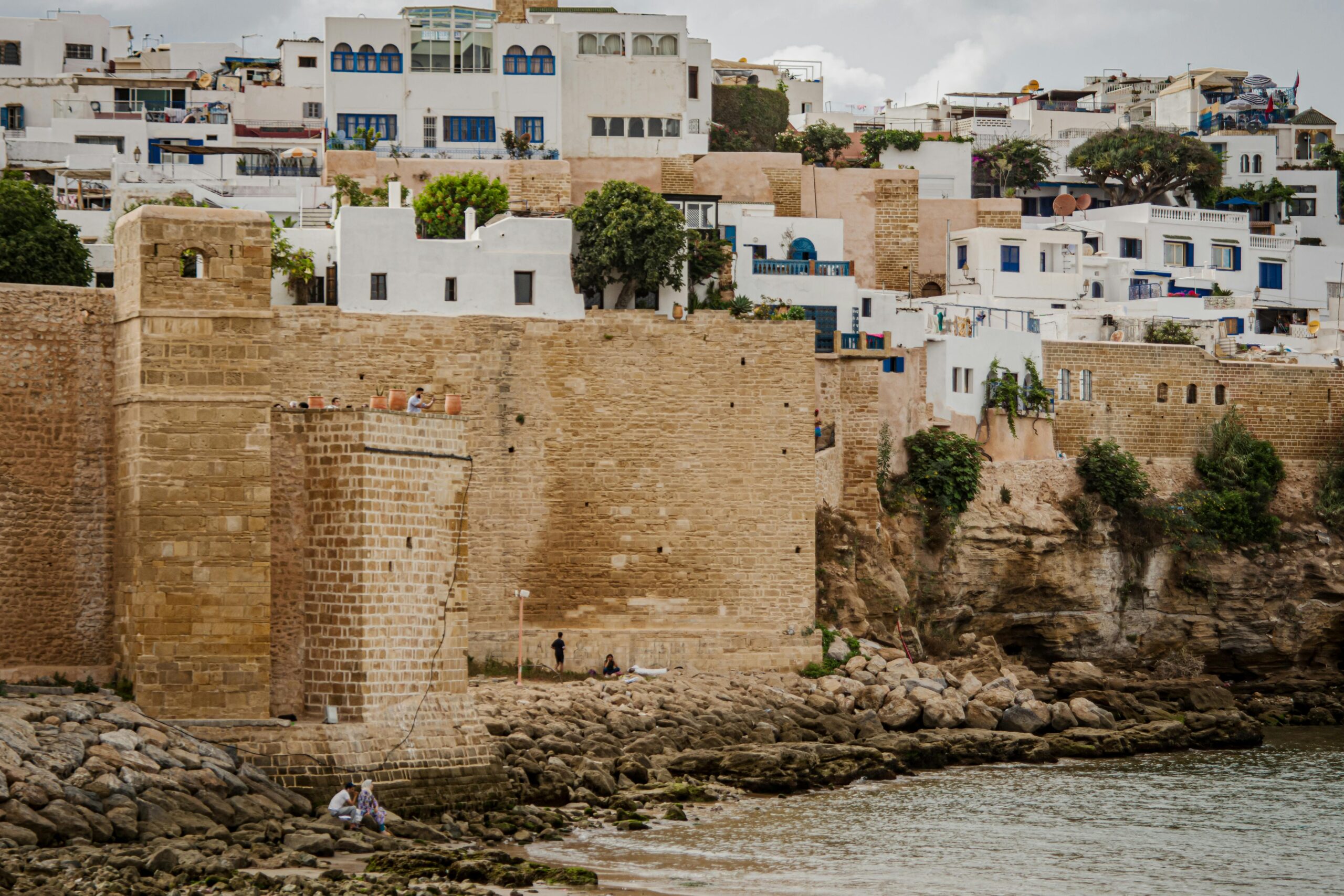
Best Places To Visit in Rabat Rabat City is the capital of Morocco, and it is a sacred place that sparkles with history, culture, and...
Morocco is a country of extraordinary contrasts: snow-capped mountains rising above desert dunes, ancient medinas humming with centuries-old trade, Atlantic surf towns just hours from Saharan camps. Whether you’re planning your first trip or your fifth, this guide brings together everything you need: where to go, when to visit, how to get around, what to expect, and links to in-depth guides for every major destination.
This is your starting point for planning a trip to Morocco bookmark it, and dive into the destination guides below for the details.
Morocco sits in the northwest corner of Africa, just across the Strait of Gibraltar from Spain at its narrowest point, only about 14 km of water separates the two continents. The country borders the Atlantic Ocean to the west, the Mediterranean Sea to the north, and Algeria to the east, with the Sahara Desert stretching across its south.
This geography is part of what makes Morocco so unique: within a single trip, you can walk through a 1,000-year-old medina, hike snow-capped peaks in the Atlas Mountains, surf Atlantic waves, and sleep under stars in the Sahara all without a single flight.
For more detail on Morocco’s location and geography, see Where Is Morocco Located?
Morocco’s climate varies dramatically by region and season, so timing depends partly on where you’re headed.
Best overall: March–May and September–November. These shoulder seasons offer comfortable temperatures across most of the country warm days, cool evenings, and fewer crowds than peak summer.
Summer (June–August): Inland cities like Marrakech and Fes can be intensely hot (40°C+), while coastal towns like Essaouira and Tangier stay pleasant thanks to Atlantic breezes. This is the season to head for the coast or the mountains.
Winter (December–February): Mild on the coast and in cities, but cold sometimes snowy in the Atlas Mountains and at night in desert regions. A great time for city breaks, but pack layers if you’re heading inland or to the Sahara.
For a month-by-month breakdown, see Best Time to Visit Morocco.
Morocco rewards travelers who explore beyond a single city. Here’s an overview of the country’s must-visit destinations each links to a full guide.
Morocco’s most famous city: a maze of souks, palaces, and gardens centered on the legendary Jemaa el-Fna square. A perfect introduction to Morocco, and a natural base for day trips into the Atlas Mountains or out to the Sahara.
The Complete Marrakech Travel Guide
Morocco’s spiritual and cultural heart, home to the largest car-free urban area in the world a medina so vast and intricate that getting lost is part of the experience. Famous for its tanneries, traditional crafts, and some of the best food in the country.
The Complete Fes Travel Guide
The Blue City of the Rif Mountains, where entire streets are washed in shades of blue. One of the most photogenic places in Morocco and a peaceful contrast to the bigger cities. Read our Chefchaouen Travel Guide to discover the best viewpoints, things to do, hiking trails, and travel tips.
A laid-back Atlantic port town with whitewashed walls, fresh seafood, and constant sea breeze. A favorite for travelers wanting a slower pace, with a UNESCO-listed medina and a strong arts and music scene.
Planning a trip? Explore our complete Essaouira Travel Guide covering attractions, accommodation, food, beaches, and travel tips.
Morocco’s main beach resort city, with long sandy beaches, a modern promenade, and easy access to surf towns along the coast. A good base for sun-and-sea travelers, or as a starting point for exploring the southern coast.
The Complete Agadir Travel Guide
The gateway between Europe and Africa, sitting where the Mediterranean meets the Atlantic. A city of layered history from international port to literary haunt that’s seen major investment and revival in recent years.
The Complete Tangier Travel Guide
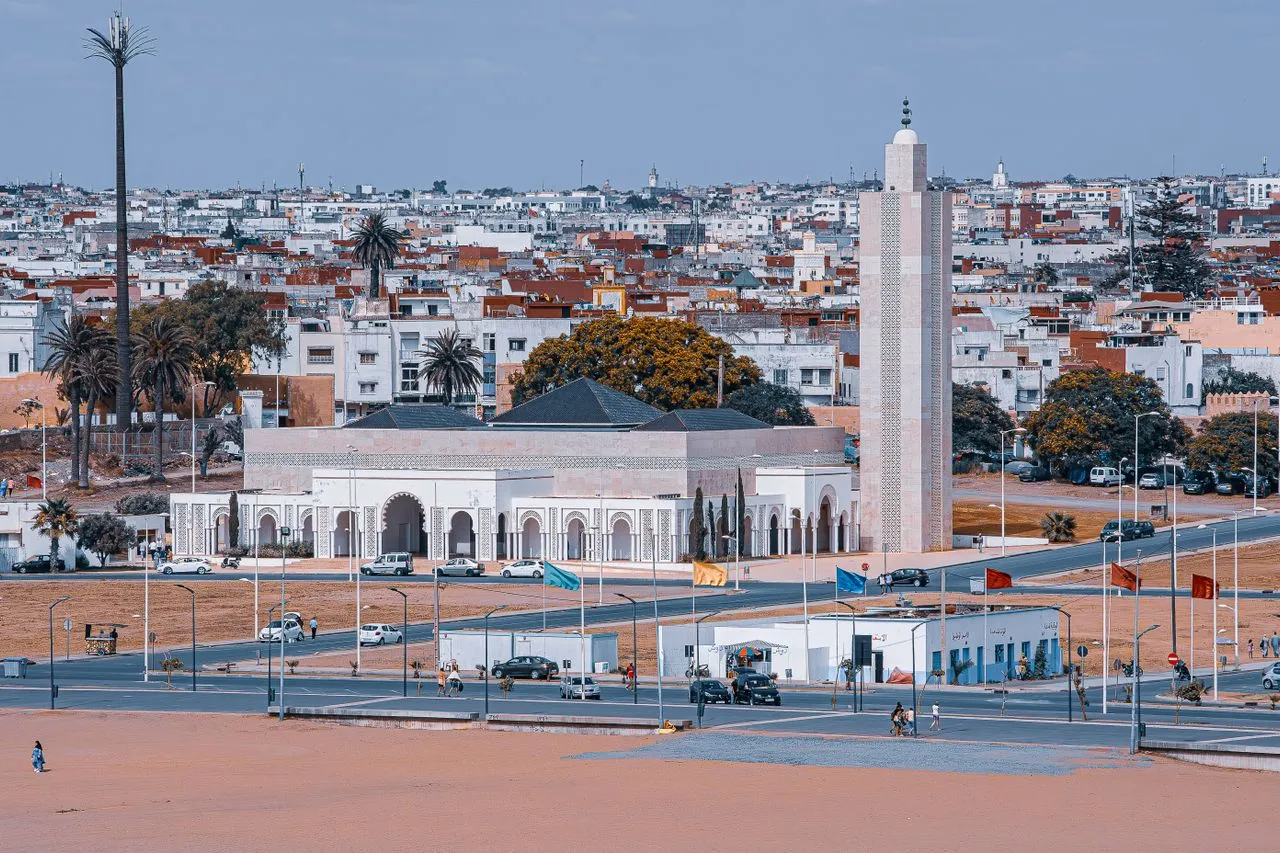
Morocco’s capital, and one of its most relaxed major cities. Wide boulevards, a laid-back kasbah overlooking the river, and significantly fewer crowds than Marrakech or Fes ideal for travelers who want history without the hustle.
The Complete Rabat Travel Guide
Morocco’s largest city and economic capital less about historic sights (though the Hassan II Mosque is spectacular) and more about experiencing the country’s modern, cosmopolitan side.
The Complete Casablanca Travel Guide
The gateway to the Sahara. Ouarzazate is known as “the door to the desert” and a major film production hub, while Merzouga is the launching point for camel treks and overnight stays in the Erg Chebbi dunes.
The Complete Ouarzazate & Merzouga Travel Guide
A dramatic landscape of towering rock walls and palm oases in the eastern High Atlas one of Morocco’s best spots for hiking and canyon scenery, often combined with a desert trip.
The Complete Tinghir Travel Guide
Morocco is well-connected for a country its size, with several transport options depending on your route and budget.
Trains (ONCF): Comfortable and efficient for the main north-south and east-west routes Casablanca, Rabat, Fes, Marrakech, and Tangier are all linked by rail, including a high-speed line between Tangier and Casablanca.
CTM and Supratours buses: The most reliable way to reach towns without train access, including Chefchaouen, Essaouira, and desert gateway towns. Comfortable, air-conditioned, and runs to a fixed schedule.
Grand taxis and shared transport: Common for shorter regional routes, especially in the south and in the Atlas Mountains.
Domestic flights: Worth considering for longer distances (e.g., Casablanca to Dakhla), but unnecessary for most first-time itineraries focused on the north and center.
Renting a car: Gives the most flexibility, especially for reaching the Atlas Mountains, Todra Gorge, or the desert at your own pace but driving in city centers (especially medinas) is not recommended.
Morocco uses the dirham (MAD), a closed currency available only within the country. ATMs are widely available in cities; bring cash for smaller towns, souks, and rural areas, where card payments are uncommon.
Bargaining is expected in souks and markets approach it as a friendly back-and-forth rather than aggressive haggling, starting around 40% of the initial asking price and settling somewhere fair to both sides.
Overall, Morocco is excellent value: a comfortable mid-range trip costs significantly less than equivalent travel in Europe, while luxury riads and desert camps offer high-end experiences at a fraction of European prices.
Daily travel budget comparison for Morocco across three travel styles: budget, mid-range, and luxury, showing accommodation, food, transport, and total daily cost.
| Style | Accommodation | Food | Transport | Per day |
|---|---|---|---|---|
| Budget | $10–25 hostel / basic riad | $8–15 street food | $5–10 bus / shared taxi | $30–50 |
| Mid-range | $25–70 private riad / hotel | $15–25 restaurants | $10–20 taxi / 1st class train | $70–120 |
| Luxury | $150–500 luxury riad / resort | $25–40+ fine dining | $20+ private driver | $200+ |
Morocco is a Muslim country, and while attitudes are relaxed in tourist areas, modest dress is appreciated especially for women (covering shoulders and knees) and when visiting religious sites.
Hospitality is central to Moroccan culture: mint tea is offered as a gesture of welcome, and accepting it is a small but meaningful way to connect with locals.
Morocco is generally safe and welcomes millions of visitors each year. The most common issues are petty theft in crowded areas and persistent unofficial guides in medinas both easily avoided with common-sense precautions: stay aware in busy souks, politely decline unsolicited offers of help, and arrange transport and guides through your accommodation when possible.
How much of Morocco you can see depends on how much time you have:
1 week: Focus on one region for example, Marrakech plus a Sahara desert overnight, or Fes and Chefchaouen in the north.
10 days–2 weeks: A classic loop covering Marrakech, the Atlas Mountains, the desert (Merzouga), and Fes Morocco’s most popular itinerary, often called the “Grand Tour.”
3+ weeks: Add the Atlantic coast (Essaouira, Agadir) and the north (Tangier, Chefchaouen, Rabat) for a fuller picture of the country’s diversity.
For a detailed plan, see our 2-Week Morocco Itinerary
Yes Morocco is generally safe and welcomes millions of international visitors every year. As in any country, use common sense: stay aware in crowded areas, watch for petty theft in souks and busy squares, and politely decline unsolicited offers from unofficial guides.
At least a week to focus on one region, but 10 days to two weeks allows for a classic loop covering Marrakech, the Atlas Mountains, the Sahara, and Fes the most popular itinerary for first-time visitors.
March to May and September to November offer the most comfortable temperatures across the country. Summer suits the coast, while winter is mild in cities but cold in the mountains and desert at night.
Citizens of the EU, USA, UK, Canada, and many other countries don’t need a visa for stays under 90 days. Always check the latest requirements with your country’s official travel advisory.
The Moroccan Dirham (MAD). ATMs are widely available in cities, but cash is essential for souks, smaller towns, and rural areas.
Trains connect the main cities efficiently, while CTM and Supratours buses reach towns without rail access. Renting a car offers the most flexibility for the Atlas Mountains, Todra Gorge, and desert regions.
Best Places To Visit in Rabat Rabat City is the capital of Morocco, and it is a sacred place that sparkles with history, culture, and...
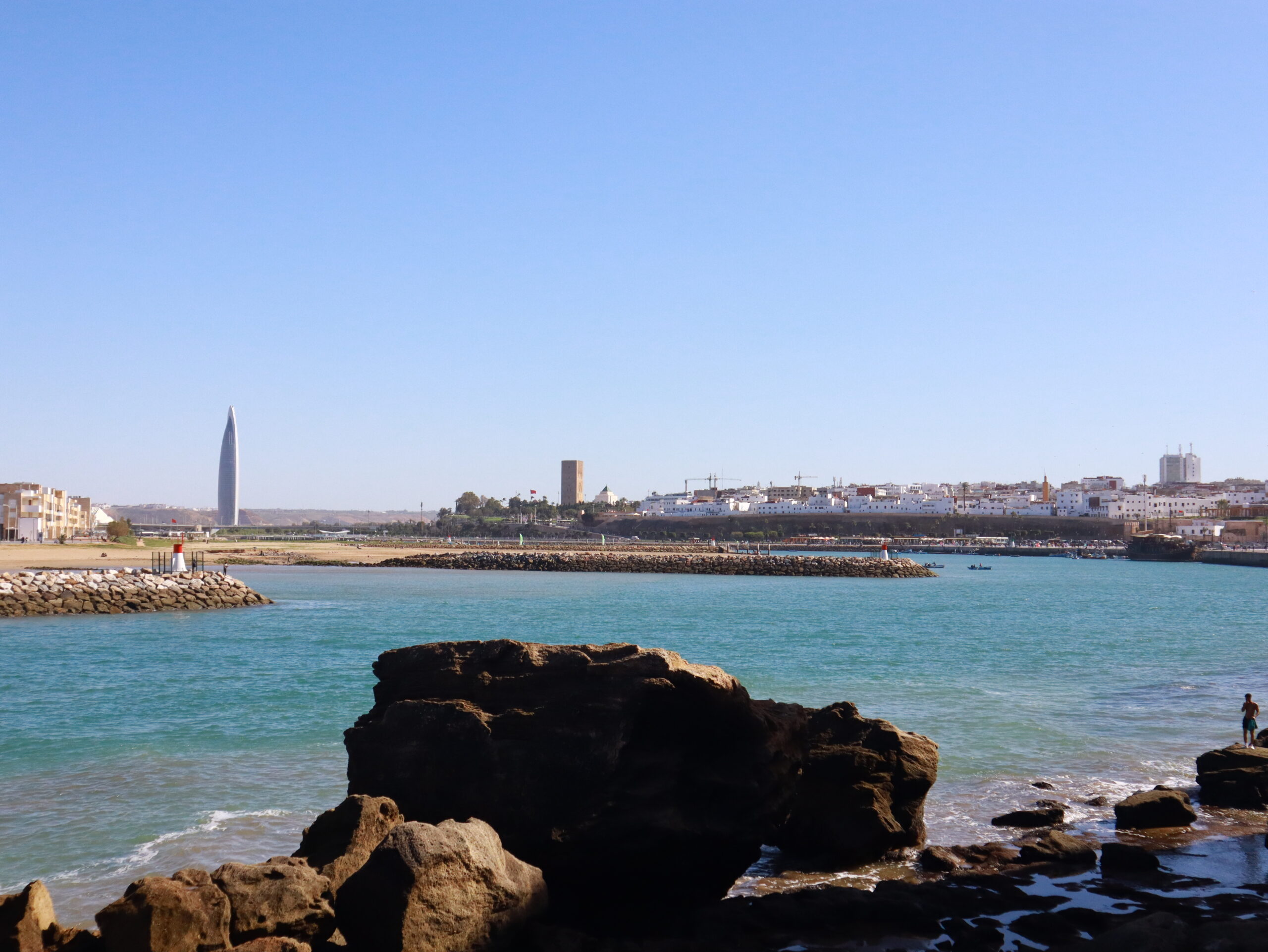
Where is Morocco located? Learn about Morocco’s spot in North Africa, its capital Rabat, unique geography, and why it’s a must-visit destination.
