Where is Morocco Located? Map, Geography & Location Guide
Where Is Morocco Located on the Map? | North Africa Guide
Morocco sits in the northwestern corner of Africa Atlantic Ocean to the west, Mediterranean Sea to the north, and just 14 km from Spain across the Strait of Gibraltar. It borders Algeria to the east and Mauritania to the south.
If you want a complete overview of the country, including top destinations, travel tips, culture, and practical advice, check out our full Morocco Travel Guide.
That geography explains a lot about Morocco. It’s why the country absorbed Phoenician, Roman, Arab, Berber, French, and Spanish influences in layers. And it’s why people keep asking whether it’s in Africa or Europe. It’s in Africa. The Strait just makes it feel ambiguous.
Where Is Morocco on the World Map?
On any world map, Morocco shows up at the far northwestern tip of Africa, directly below Spain. The Strait of Gibraltar the narrow channel connecting the Atlantic to the Mediterranean is what separates the two.
Officially the Kingdom of Morocco, the country occupies a strategic corner of North Africa that has attracted traders, conquerors, and travelers for centuries. That position still matters today: Morocco is one of the main entry points between Europe and sub-Saharan Africa, by both sea and land.
What Continent Is Morocco In?
Morocco is in Africa specifically the North African region known as the Maghreb. It’s one of the five Maghreb countries, alongside Algeria, Tunisia, Libya, and Mauritania.
The confusion comes from proximity. At its narrowest, the Strait of Gibraltar is 14 km wide. On a clear day you can see Spain from Tangier. But geographically, politically, and legally, Morocco is entirely on the African continent.
It also belongs to the Arab world and the broader Mediterranean region, which is partly why its culture doesn’t fit neatly into any single category.
Morocco’s Geographic Location and Borders
Morocco covers roughly 446,550 km² and spans a surprising range of terrain. The north has a Mediterranean coastline. Moving inland, the Rif Mountains rise sharply before giving way to the Atlas range. Further south, the land flattens into the pre-Saharan valleys and eventually the Sahara Desert itself.
Its land borders:
Algeria to the east (1,900 km border)
Western Sahara to the south (disputed territory)
Its coastline:
Atlantic Ocean stretching from Tangier down to Dakhla
Mediterranean Sea the northern edge from Tangier to Saidia
Where Is the Capital of Morocco Located?
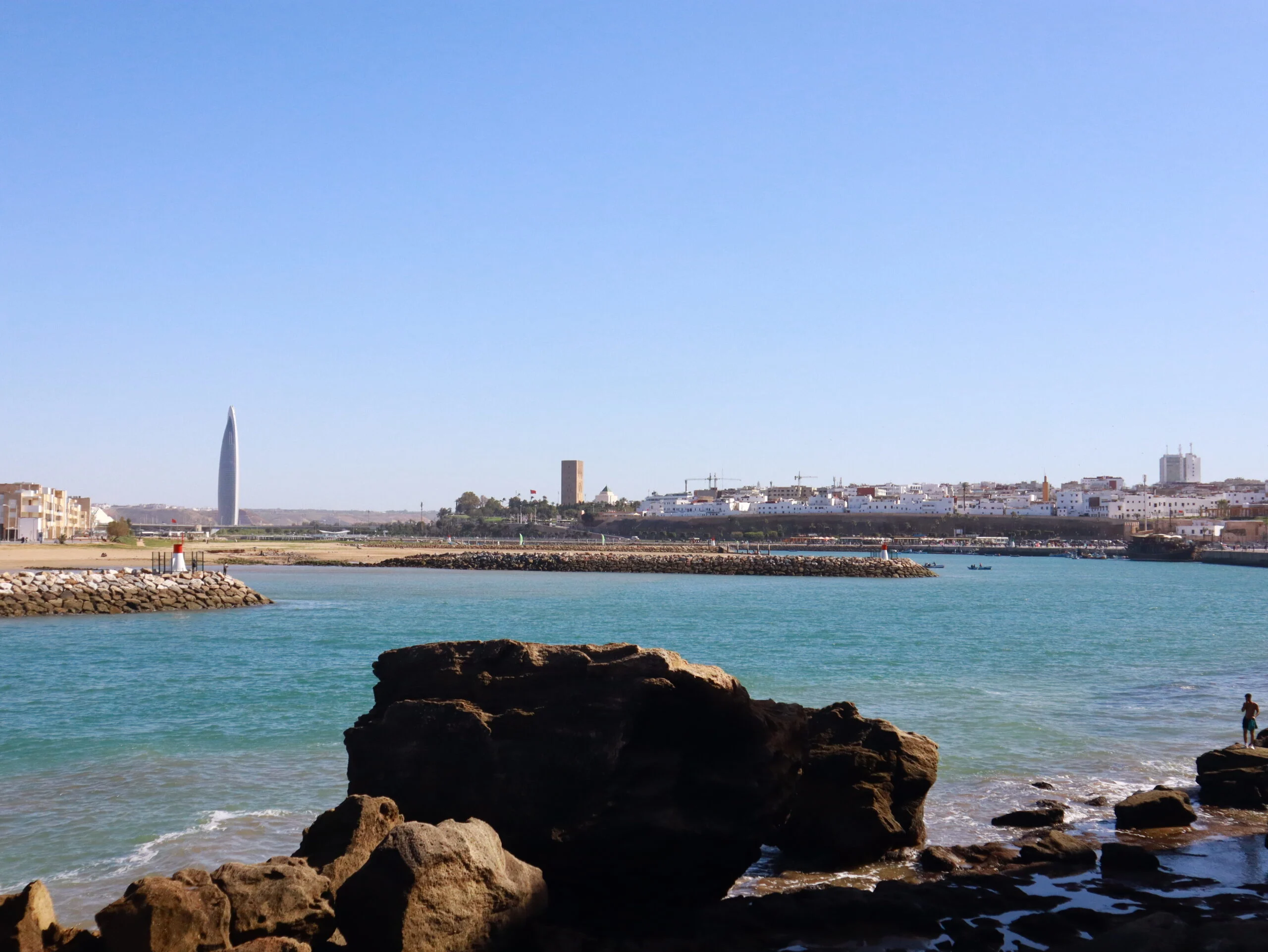
Rabat is the capital of Morocco, sitting on the Atlantic coast at the mouth of the Bouregreg River. It’s about 90 km north of Casablanca and 340 km south of Tangier.
With a population around 577,000 in the city proper (and over 1.2 million in greater Rabat-Salé), it functions as Morocco’s administrative hub. Government ministries, embassies, and the royal palace are all here.
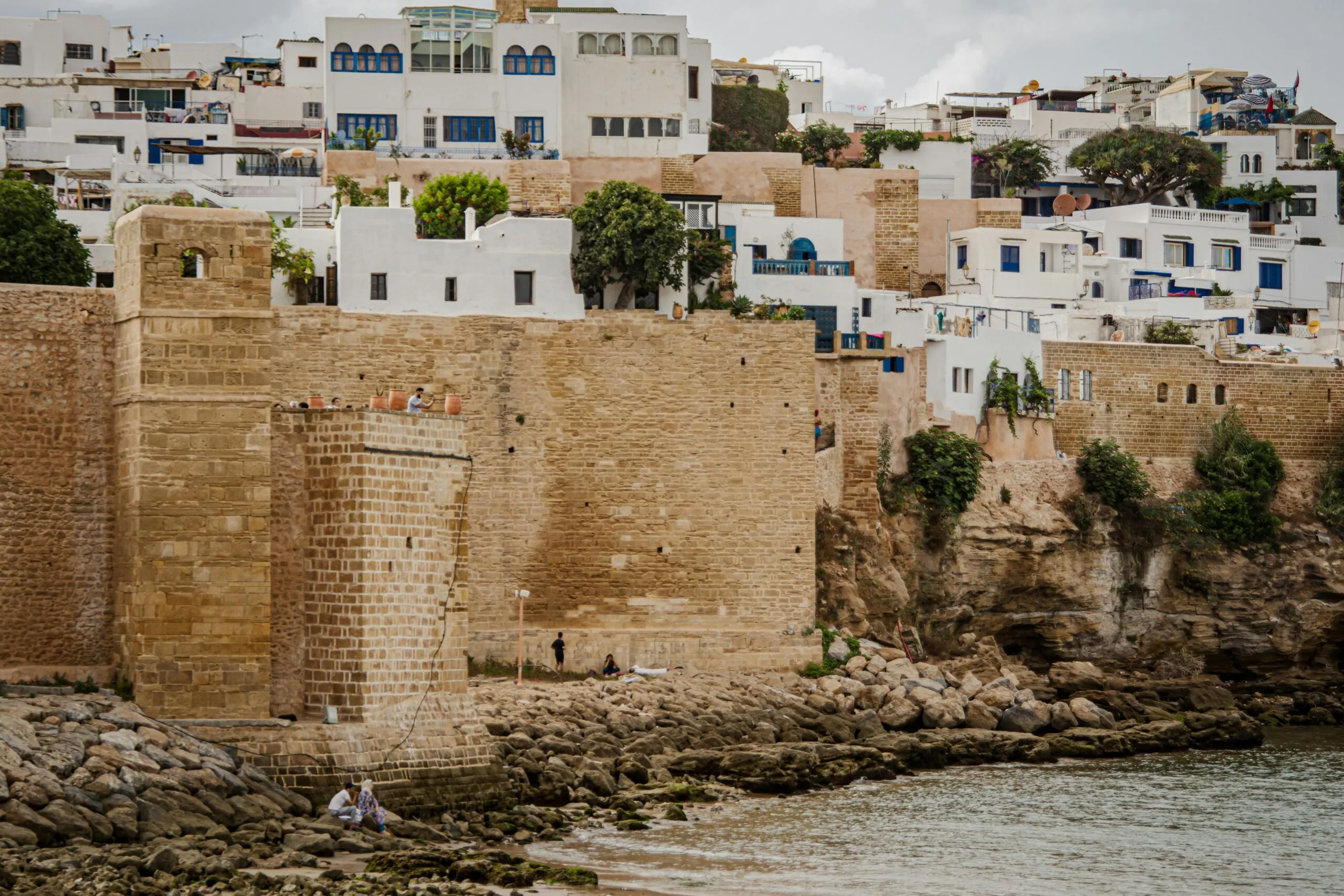
Many visitors overlook Rabat in favor of Marrakech or Fes, which is a mistake. The medina is quieter, the Hassan Tower and Chellah ruins are genuinely impressive, and the corniche along the Atlantic is one of the better walks in the country.
Climate in Morocco
Morocco’s climate varies more than most people expect, because the country covers so much terrain.
The coasts both Mediterranean and Atlantic Ocean have mild, wet winters and warm, dry summers. Temperatures in cities like Rabat and Casablanca rarely drop below 8°C in winter or climb above 32°C in summer.
Inland cities like Marrakech and Fes run hotter. Summer highs in Marrakech regularly hit 38–40°C. The Atlas Mountains get genuine snow from December through March Oukaimeden has a functioning ski resort.
The Sahara Desert regions in the south and east are what you’d expect: scorching summers (45°C+), cool nights year-round, and almost no rainfall.
Best time to visit most of Morocco: March–May and September–November. July–August works fine on the coast; avoid Marrakech in that window unless you like extreme heat.
Climate zones in Morocco
Morocco’s History, Culture and People
Morocco has been continuously inhabited for tens of thousands of years. The Amazigh (Berber) people are the original population; Arab migrations began in the 7th century with the spread of Islam. The mix of those two cultures, layered with Andalusian, Ottoman, French, and Spanish influence, is what makes Morocco’s cultural identity hard to summarize in a sentence.
Recent history moves fast. Morocco gained independence from France in 1956. King Mohammed V led the transition; his son King Hassan II ruled for 38 years and built most of the country’s modern infrastructure. King Mohammed VI took the throne in 1999 and has pushed economic reforms and diversification since.
A few recent milestones worth noting: the national football team reached the semi-finals of the 2022 FIFA World Cup the first African nation to do so.
The 2023 Al Haouz earthquake killed over 2,900 people and caused widespread damage in the High Atlas region. Morocco is co-hosting the 2030 FIFA World Cup with Spain and Portugal.
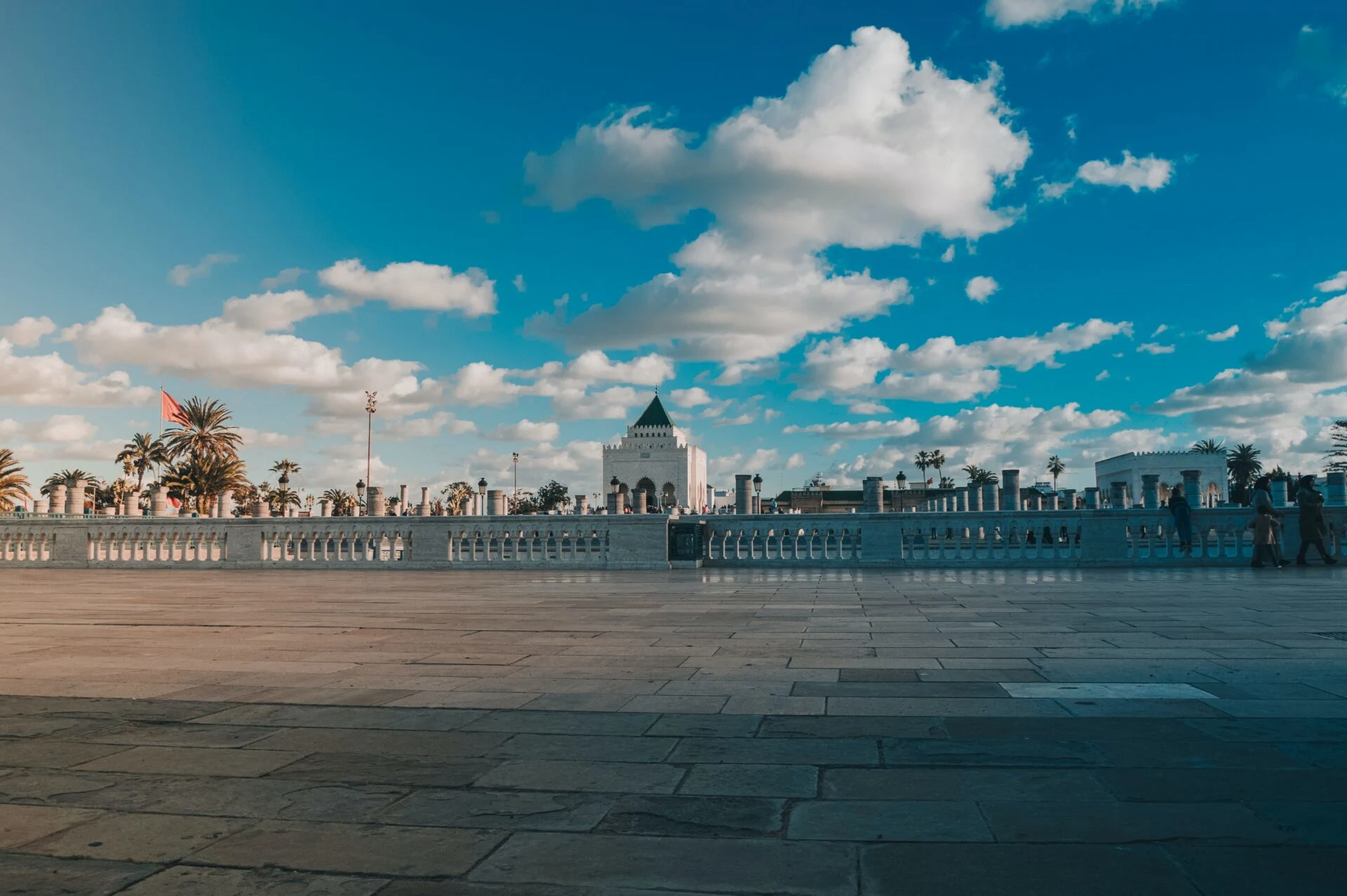
Tour Hassan Rabat Morocco
Language, Religion and Society
Arabic (both Modern Standard and Moroccan Darija) is the main language. French is used in business, government, and education. Tamazight the Berber language became a co-official language in 2011 and is taught in some schools. In major cities and tourist areas, English is common enough.
Islam is the religion of about 99% of the population. The Moroccan constitution guarantees freedom of religion, and small Jewish and Christian communities exist, mostly in Casablanca and Rabat. In practice, the country is socially conservative in some areas and notably relaxed in others, depending on where you are.
Moroccan Economy
Morocco’s economy runs on agriculture, phosphates, manufacturing, tourism, and remittances from the large Moroccan diaspora in Europe.
The phosphate angle is significant: Morocco holds around 70% of the world’s known phosphate reserves, which makes the country a key player in global food production (phosphates are essential for fertilizer). The state-owned OCP Group
is one of the world’s largest phosphate exporters.
On the manufacturing side, Renault and Stellantis both operate large assembly plants in Morocco, producing cars for European and African markets. The automotive sector has grown into one of the country’s top export earners over the last decade.
Renewable energy is the other major bet. The Noor Ouarzazate Solar Complex near the Sahara is one of the largest concentrated solar power plants in the world. Morocco aims to generate 52% of its electricity from renewables by 2030.
Politics in Morocco
Morocco is a constitutional monarchy. King Mohammed VI is head of state, with real executive authority he appoints the Head of Government, commands the armed forces, and chairs the Council of Ministers. Parliament is bicameral (two chambers), and multiple political parties operate and compete in elections.
The Kingdom of Morocco is generally considered one of the more politically stable countries in North Africa and the Arab world, though human rights organizations have raised concerns about press freedom and the treatment of political dissidents.
Is Morocco Safe to Visit?
Morocco is safe for the vast majority of travelers. Violent crime against tourists is rare. The main issues are pickpocketing in crowded medinas (Marrakech’s Jemaa el-Fna is the obvious hotspot) and persistent hustling in some tourist areas the latter is more annoying than dangerous.
A few practical points:
Dress modestly outside of beach resorts it makes interactions easier
Agree on prices before getting into taxis without meters
Solo female travelers report mixed experiences depending on the city;
Rabat and Essaouira tend to be more relaxed than Fes or Marrakech medinas
LGBTQ+ travelers should be discreet same-sex relations are illegal
under Moroccan law
The Foreign Office travel advice for Morocco is currently “normal precautions.”
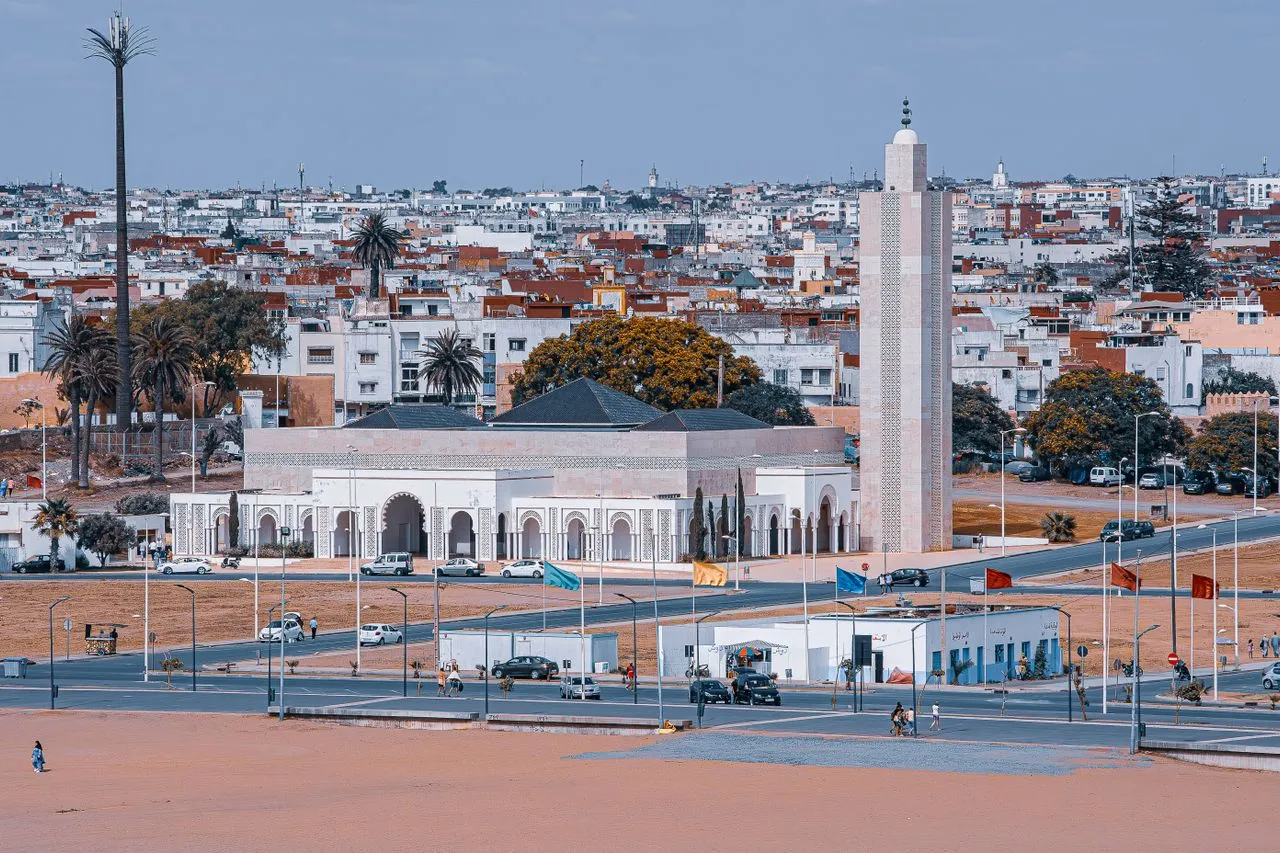
Rabat, Morocco’s capital
Where Else to Go in Morocco
Morocco’s cities are distinct enough that choosing wrong for your travel style matters.
Marrakech is the most visited and the most intense the medina is chaotic, beautiful, and relentless. Good if you want markets, food, and day trips to the Atlas. Tangier has cleaned up significantly in the past decade and makes an easy entry point from Spain. Agadir is the beach resort option less historically interesting but more relaxed.
Fes is arguably the best preserved medieval city in the Arab world. If you only go to one place in Morocco for culture and history, make it Fes.
Frequently Asked Questions About Morocco’s Location
Where is Morocco located?
Morocco is in the northwestern corner of Africa, bordered by the Atlantic Ocean to the west, the Mediterranean Sea to the north, Algeria to the east, and Mauritania to the south.
What continent is Morocco in?
Africa. Morocco is part of the North African region the Maghreb at the northwestern tip of the continent.
Is Morocco in Africa or Europe?
Africa. The Strait of Gibraltar, just 14 km wide at its narrowest, separates Morocco from Spain. Morocco is entirely on the African continent.
Is Morocco in North Africa?
Yes. It’s one of the five Maghreb countries, alongside Algeria, Tunisia, Libya, and Mauritania.
Where is Morocco on the world map?
In the far northwestern corner of Africa, directly below Spain. It has both Atlantic and Mediterranean coastlines.
Where is Marrakech located?
Marrakech is in central Morocco, at the foothills of the High Atlas Mountains, about 240 km south of Casablanca.
What is Morocco’s relative location?
Morocco sits at the intersection of Africa, Europe, and the Arab world south of Spain, west of Algeria, north of Mauritania, and facing the Atlantic to the west.
Which country is Morocco?
Morocco officially the Kingdom of Morocco is an independent sovereign nation in North Africa. It is not part of any other country.
[ez-toc] The Complete Morocco Travel Guide (2026) Morocco is a country of extraordinary contrasts: snow-capped mountains rising above desert dunes, ancient medinas humming with centuries-old...