Chefchaouen Travel Guide: Morocco’s Blue City (2026)
[ez-toc] Part of: The Complete Morocco Travel Guide Chefchaouen Travel Guide: Morocco's Blue City Tucked into the folds of the Rif Mountains, Chefchaouen is unlike...
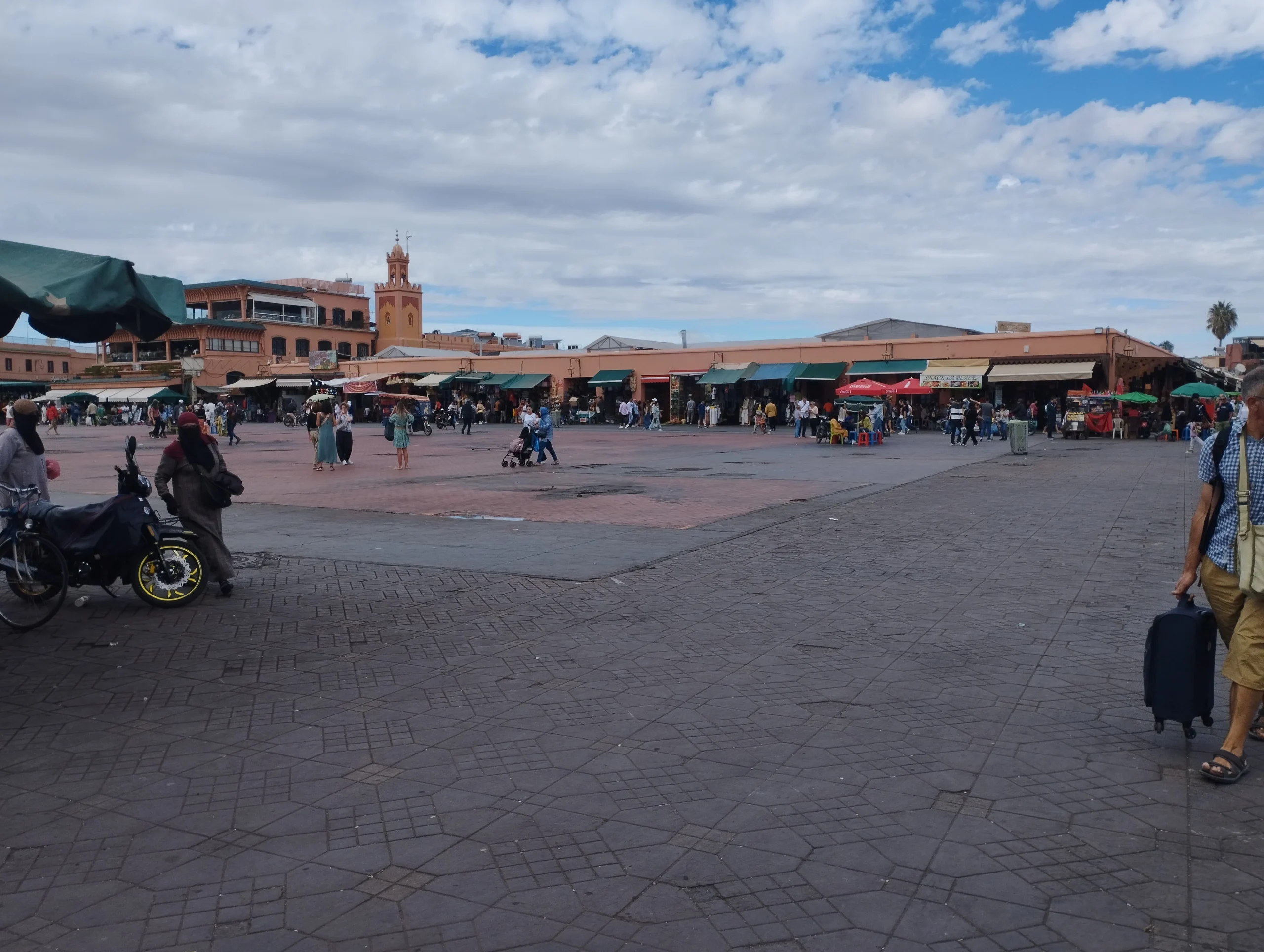
Stepping into Marrakech for the first time is like entering another world. The vibrant colors, exotic scents, and bustling energy create an unforgettable sensory experience that can be both exhilarating and overwhelming. As Morocco’s most popular destination, this ancient city blends tradition and modernity in a way that captivates first-time visitors.
This is your complete Marrakech travel guide — everything you need to plan your trip in one place. Whether you’re figuring out where to stay, when to visit, how to navigate the medina, what to eat, or how to spend your days, you’ll find it here. For deeper dives, we link out to dedicated guides on specific topics throughout.
Marrakech sits at the foot of the snow-capped Atlas Mountains in central Morocco, at an elevation of about 450 meters. It is roughly 239 km south of Casablanca and 327 km southwest of the capital, Rabat, making it an excellent base for exploring the rest of the country. This elevation gives the city a distinctive climate — hot summers and surprisingly cool winters. Many first-time visitors underestimate just how cold Marrakech nights can get in January.
Marrakech was founded in 1062 by the Almoravid dynasty and served as Morocco’s capital for centuries. Its position at the crossroads of Saharan trade routes made it one of Africa’s most important cities, and today its medina — continuously inhabited for nearly 1,000 years — is a UNESCO World Heritage Site. Walking its streets feels like stepping back through layers of history.
The local culture is a rich blend of Arab, Amazigh (Berber), and French influences. Locals are called Marrakchis, and they are warm, proud of their heritage, and deeply hospitable. Learning even a few words of Darija (Moroccan Arabic) will earn you genuine smiles.
Marrakech experiences extreme temperature variations throughout the year, making timing crucial for your trip.
Best time to visit: March to May and October to November. Daytime temperatures hover between 70–85°F (21–29°C), with comfortable evenings perfect for exploring both day and night. This period also coincides with festival season — events like Oasis Fest and Sun Fest bring extra energy to the city.
Summer (June–September): Temperatures regularly exceed 100°F (38°C), and can climb past 104°F (40°C) at the height of summer. Plan activities for early morning or evening, and book accommodation with a pool.
Winter (December–February): Surprisingly cold, especially at night, when temperatures can drop to 45°F (7°C). Pack layers and expect occasional rain. This is low season, meaning fewer tourists and better hotel rates.
Many first-time visitors underestimate how seasonal Marrakech is — the experience varies dramatically depending on when you visit, and local festivals like Ramadan also affect operating hours and atmosphere.
Your accommodation choice dramatically shapes your Marrakech experience.
Traditional riads — historic houses built around a central courtyard — offer the most authentic experience. From the outside, a riad often looks like an ordinary wall in a narrow alley; inside, it opens up into a private world of fountains, mosaics, and rooftop terraces. Riads range from budget guesthouses to five-star boutique hotels and provide immediate immersion into the city’s historic atmosphere.
Advantages: walking distance to main attractions, cultural immersion, often stunning traditional architecture.
Considerations: can be tricky to find initially (arrange airport pickup), some noise from nearby mosques and street life, smaller properties with fewer amenities than hotels.
Recommended areas within the medina include Kasbah (less hectic, close to the royal palace), Mouassine (central but relatively peaceful), and Bab Doukkala (authentic neighborhood with good access).
For specific recommendations, see our guide to the best riads in Marrakech
If you prefer contemporary comforts or are sensitive to noise, consider the new city districts. Gueliz in particular offers international hotels, western restaurants, and easy airport access.
Advantages: familiar hotel amenities, quieter atmosphere, easier navigation, walking distance to modern restaurants and shops.
Considerations: requires transportation to reach medina attractions, less traditional atmosphere.
For a relaxing retreat, the palm grove area outside central Marrakech offers resort-style accommodation.
Advantages: tranquil settings, pools and gardens, spacious rooms.
Considerations: 15–20 minute drive to the medina, isolated from authentic city life.
The UNESCO-listed medina forms the historic heart of Marrakech. Its labyrinthine streets can confuse even seasoned travelers — but that’s part of its charm. Getting lost here isn’t a problem, it’s the whole point.
The medina revolves around Jemaa el-Fna square, with major souks extending northward. Google Maps generally works reasonably well if downloaded offline beforehand, but it can be inaccurate in the narrow alleys. A few practical tips:
First-time visitors often encounter locals offering directions, typically followed by “This way is closed,” “I’ll show you a special place,” or even “I’ll show you around for free.” These unofficial guides aim to lead you to commission-paying shops — it’s nothing personal, just a common tourist trap.
How to respond: Politely but firmly decline with “La shukran” (no thank you). Walk confidently even if uncertain about your direction, and when you genuinely need directions, ask shopkeepers rather than people in the street.
Marrakech offers an extraordinary range of experiences from imperial palaces and ancient mosques to vibrant souks and tranquil gardens. A few highlights:
For a full breakdown of the best things to do in Marrakech — including hidden gems like Le Jardin Secret and the best sunset rooftop cafés — see our complete guide: Things to Do in Marrakech.
Moroccan cuisine ranks among the world’s most diverse and flavorful culinary traditions — a fusion of Amazigh, Arab, and Andalusian influences, with dishes slow-cooked, carefully spiced, and served with extraordinary generosity.
Don’t miss: tagine (slow-cooked stews in conical clay pots), tangia (a Marrakech specialty of meat slow-cooked with preserved lemon), couscous (traditionally served on Fridays), pastilla (a sweet-savory pie with almonds and cinnamon), harira (tomato and lentil soup), and mint tea — the national drink.
Where locals eat: Mechoui Alley near Jemaa el-Fna serves slow-roasted lamb at communal tables; Chez Lamine is a local institution famous for tangia; and at Jemaa el-Fna itself, stalls numbered 1 and 14 are particularly recommended. For a sit-down meal, walk two alleys into the medina rather than eating directly on the square — you’ll find better food at half the price.
First-timers should be cautious with street food: stick to freshly cooked hot dishes, avoid raw vegetables unless you’re sure they’ve been properly cleaned, and drink only bottled water.
For the full picture of Moroccan cuisine, see our Traditional Moroccan Foods guide.
Marrakech’s central location makes it perfectly positioned as a base for some of Morocco’s most spectacular landscapes.
Atlas Mountains — Just 1–2 hours away, the High Atlas offers a complete contrast to the city. Visit Berber villages like Imlil, explore the Ourika Valley, hike to waterfalls, and enjoy a tagine with mountain views before returning to Marrakech by evening.
Sahara Desert — Many travelers extend their stay with a two-day desert tour, driving through the dramatic Draa Valley, spending a night in a desert camp, and waking to sunrise over the dunes — one of the most powerful travel experiences on earth.
Essaouira — This laid-back coastal town (about 2.5 hours away) offers whitewashed UNESCO-listed streets, fresh seafood, and Atlantic breezes. Game of Thrones fans will recognize it as a filming location.
Ouzoud Waterfalls — About 3 hours northeast, Morocco’s most impressive waterfalls, surrounded by olive groves and home to wild Barbary macaques.
For authentic experiences, opt for small group tours or private guides rather than mass tourist excursions — the extra cost provides a more personalized experience and supports local communities directly.
Planning your days? See our suggested 3-Day Marrakech Itinerary.
Morocco is a Muslim country with relatively relaxed attitudes in tourist areas, but respectful dress is appreciated. Women should cover shoulders and knees with loose, non-revealing clothing; men should avoid very short shorts and sleeveless shirts. Pack a scarf for visiting religious sites. Dressing modestly is a mark of respect — locals respond warmly to it, and it attracts less unwanted attention, particularly for solo female travelers.
Always ask permission before photographing people — some may appreciate a small tip (5–10 dirhams). Avoid photographing government buildings, police, or military personnel.
Marrakech is generally safe and welcomes millions of international visitors every year. Be aware of petty theft and pickpocketing in crowded areas like Jemaa el-Fna and the souks — keep bags in front of you and avoid flashy jewelry. Research common tourist scams before visiting, and share your riad’s address and phone number on your phone in case you get lost.
Morocco uses the dirham (MAD), a closed currency only available within the country. Bring cash to exchange on arrival or use the widely available ATMs. Credit cards are accepted at higher-end hotels and restaurants, but most souks and small businesses are cash only — keep small notes (10–50 MAD) on hand.
Bargaining is an expected practice in the souks — approach it as a friendly conversation, not aggressive haggling:
Remember: saving a few dollars might mean little to you but can matter a lot to local vendors. Aim for a fair price, not the absolute minimum.
Driving yourself is not recommended for first-time visitors — traffic near the medina is chaotic, and motorcycles weave through narrow alleys without warning.
Within the medina: best explored on foot — most major attractions are within 20 minutes of each other.
To modern districts:
Airport transfers: Pre-arranging through your accommodation (150–200 dirhams) is the simplest option, especially if staying in the medina. Official taxis are available at fixed rates from the airport taxi stand (70–100 dirhams during daytime).
Most first-time visitors should plan at least 3–4 days in Marrakech:
If you’re adding the Atlas Mountains or Essaouira, plan for 1–2 extra days. The Moroccan pace is slower than many visitors expect — leave room for spontaneous discoveries.
For a detailed day-by-day plan, see our 3-Day Marrakech Itinerary
For a deeper, less touristy experience:
Marrakech is generally safe for solo female travelers who take reasonable precautions: dress modestly, walk confidently, firmly decline unwanted attention, avoid isolated or unlit alleys after midnight, and trust your instincts. Staying in a riad in the medina adds an extra layer of security.
At least 3–4 full days to experience the main sights, the souks, and one day trip without rushing. Add 1–2 more days if including the Atlas Mountains or Essaouira.
Pre-arranged pickup through your riad or hotel (150–200 dirhams) is strongly recommended. Official taxis are also available at fixed rates from the airport taxi stand (around 70–100 dirhams during daytime).
A licensed guide is valuable for your first day, providing historical context and helping you orient yourself. Book through your accommodation or the tourist office rather than accepting street offers. A half-day tour costs approximately 300–500 dirhams.
The Moroccan Dirham (MAD). ATMs are widely available, and credit cards are accepted at larger hotels and restaurants, but most souks and small shops are cash only.
Citizens of the EU, USA, UK, Canada, and many other countries don’t need a visa for stays under 90 days. Always check the latest requirements with your country’s official travel advisory.
Spring (March–May) or autumn (September–November) — comfortable temperatures, lively festivals, and avoiding both the intense summer heat and the colder winter period.
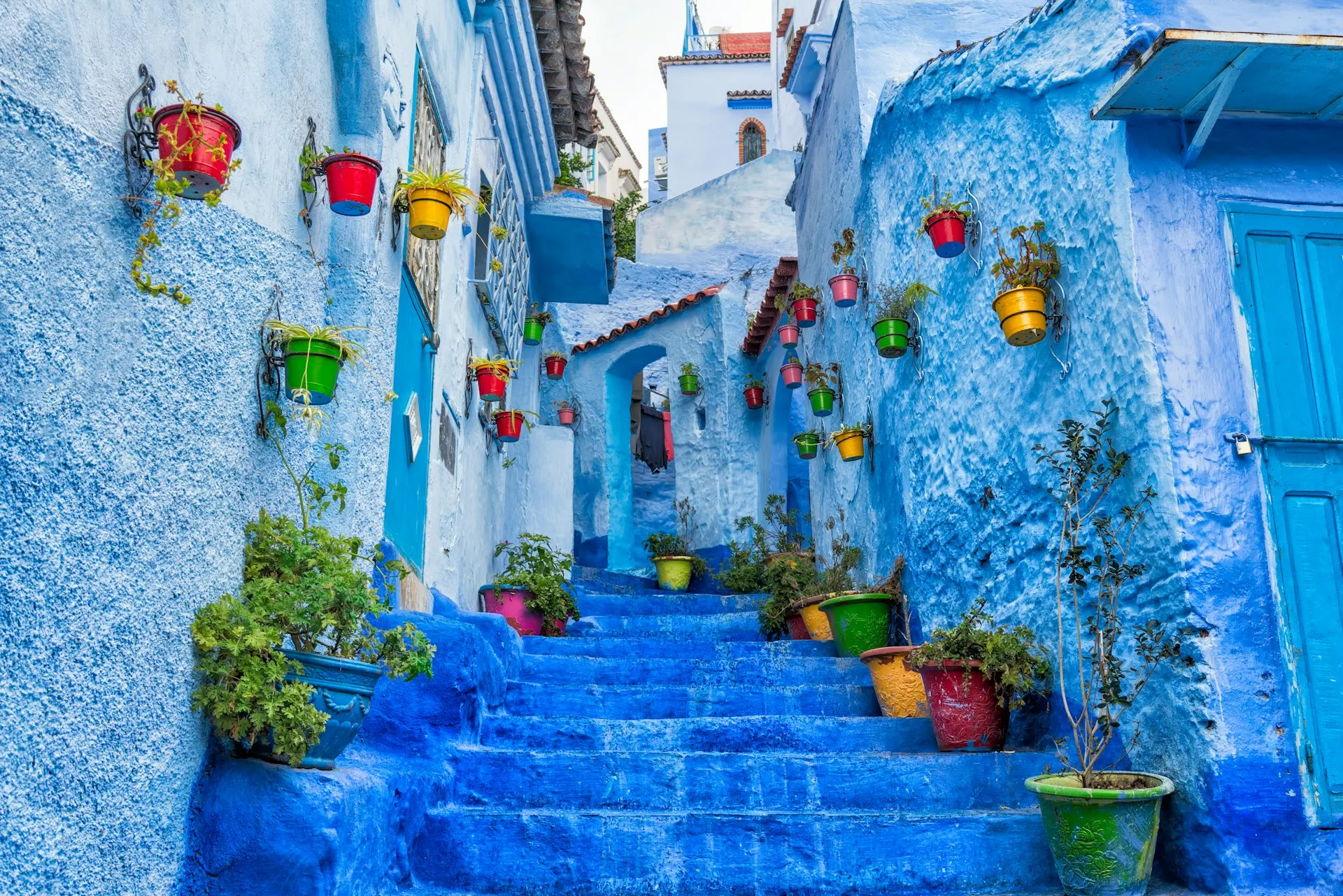
[ez-toc] Part of: The Complete Morocco Travel Guide Chefchaouen Travel Guide: Morocco's Blue City Tucked into the folds of the Rif Mountains, Chefchaouen is unlike...
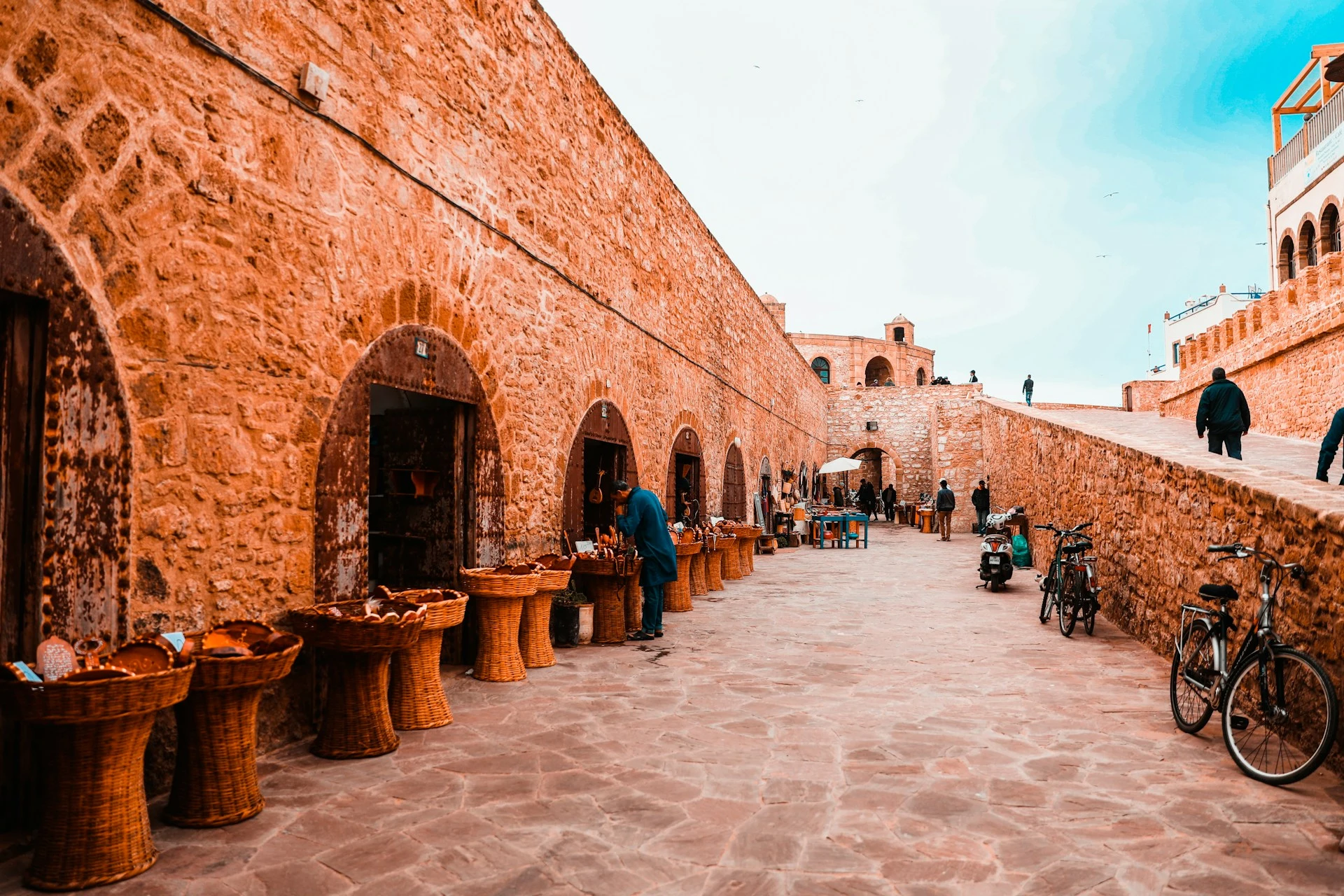
[ez-toc] 📍 Part of: The Complete Morocco Travel Guide Essaouira Travel Guide: Morocco's Laid-Back Atlantic Town After the intensity of Marrakech, Essaouira feels like exhaling....
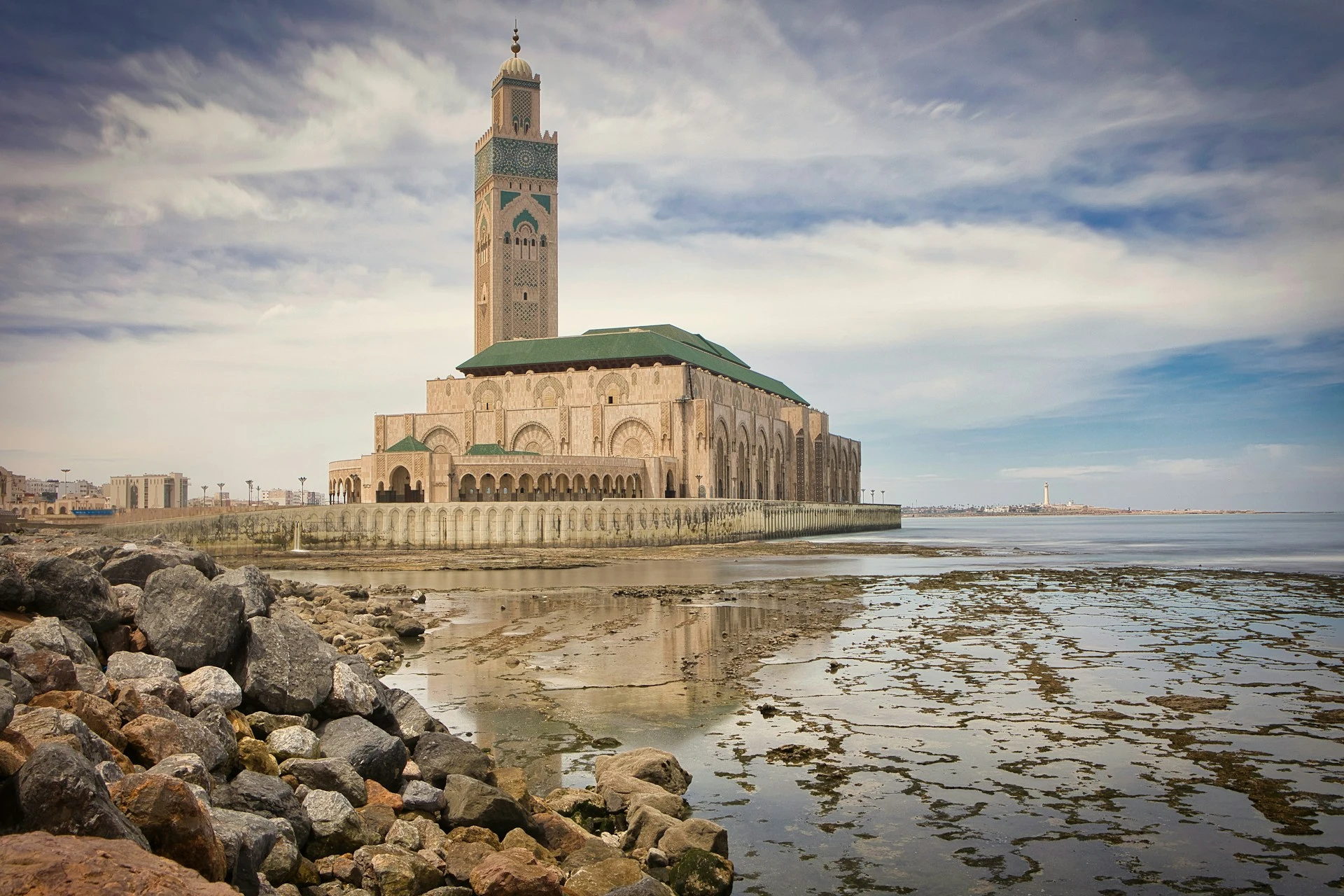
[ez-toc] Part of: The Complete Morocco Travel Guide Casablanca Travel Guide: Morocco's Modern Face Casablanca isn't the Morocco of postcards and ancient medinas and that's...
