Chefchaouen Travel Guide: Morocco’s Blue City (2026)
[ez-toc] Part of: The Complete Morocco Travel Guide Chefchaouen Travel Guide: Morocco's Blue City Tucked into the folds of the Rif Mountains, Chefchaouen is unlike...
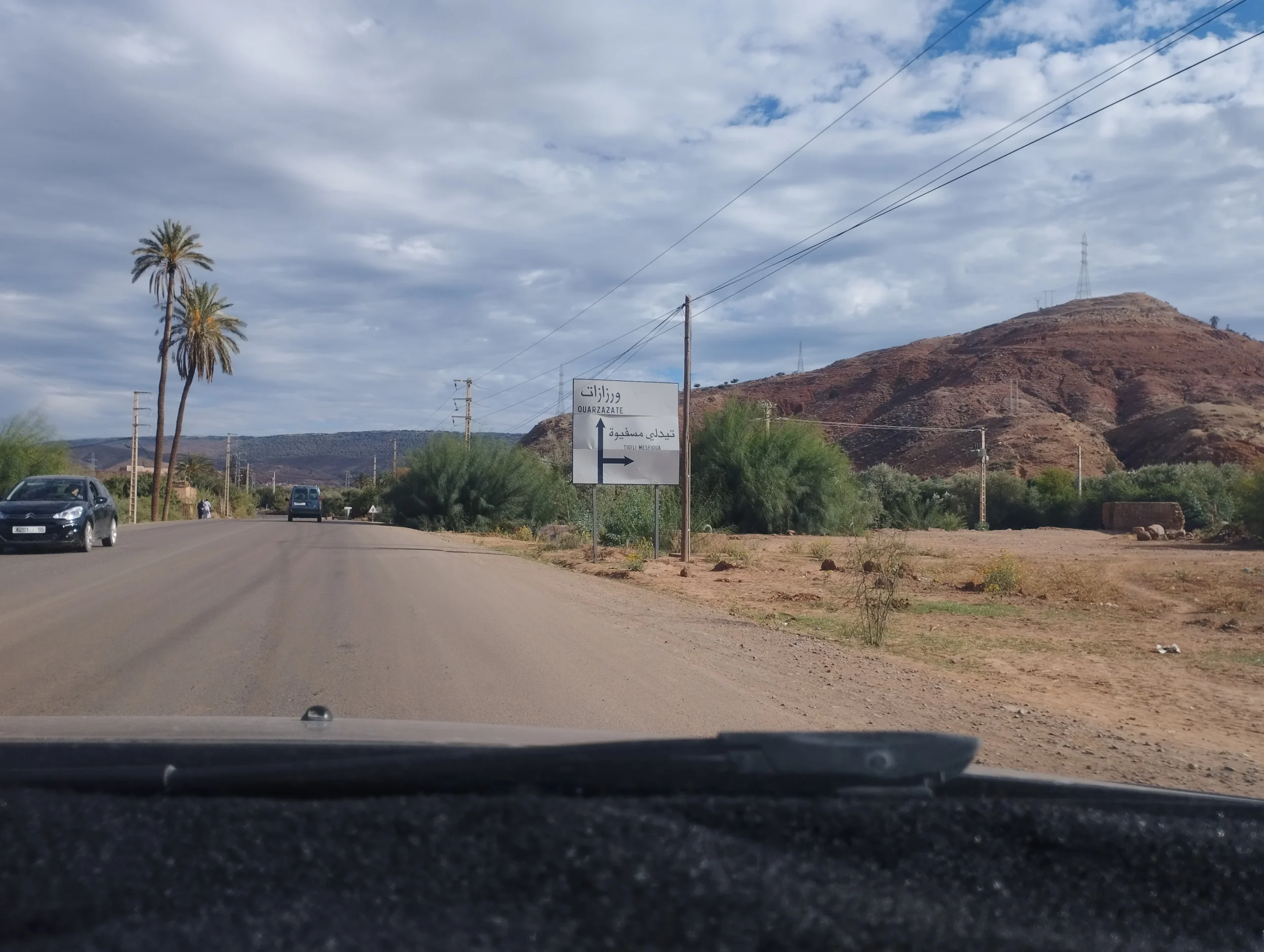
The majestic Atlas Mountains of Morocco stand as North Africa’s crown jewel, a spectacular range stretching 2,500km across Morocco, Algeria, and Tunisia. Rising dramatically from the desert and plains, this natural wonder forms Morocco’s backbone and offers travelers a breathtaking escape from the bustling cities below. In this complete guide, we’ll explore everything you need to know about visiting the Atlas Mountains Morocco, from magnificent hiking trails to charming Berber villages.
The Moroccan Atlas Mountains are divided into three distinct ranges, each with its own character and appeal:
Just a short drive from Marrakech, the Atlas Mountains offer an accessible adventure into a completely different Morocco – one of rural traditions, breathtaking landscapes, and centuries-old Berber culture.
The Atlas Mountains are surprisingly accessible, with several entry points depending on which region you wish to explore:
The High Atlas foothills begin just 30km from Marrakech, making day trips possible. For most visitors, this is the ideal starting point.
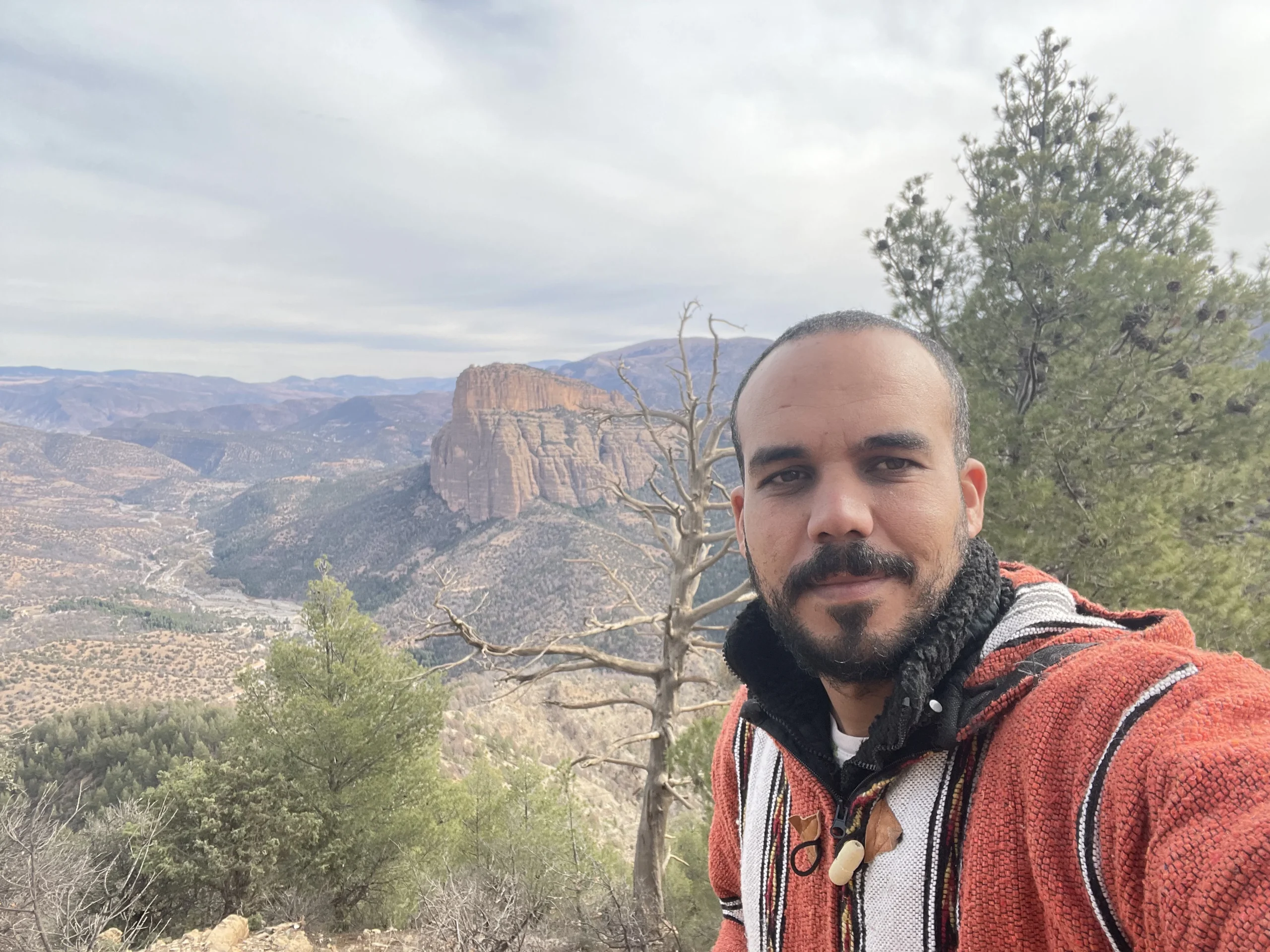
The Atlas Mountains experience distinct seasons that dramatically affect your travel experience:
Arguably the best time to visit with comfortable temperatures, wildflowers in bloom, and clear visibility. Expect daytime temperatures of 15-25°C in the valleys.
Hot in the lower valleys (30-40°C) but pleasant at higher elevations. Perfect for high-altitude trekking to Mount Toubkal, though prepare for intense sun.
Another excellent period with stable weather, fewer crowds, and beautiful golden landscapes. Temperatures gradually cool, making hiking comfortable.
Snow blankets the higher peaks, creating spectacular scenery. Lower elevations remain accessible, but high mountain passes may close. Skiing is possible at Oukaïmeden resort.
For most visitors, the sweet spots are April-May and September-October when temperatures are ideal for hiking and exploration. If you’re planning on climbing Mount Toubkal, summer months offer the most reliable conditions.
The gateway to Mount Toubkal and the most developed area for tourism in the High Atlas. This charming village sits at 1,800m elevation and serves as the starting point for many treks, including the ascent of North Africa’s highest peak.
Just 30km from Marrakech, this lush valley offers an easy day trip into the Atlas Mountains. Famous for its waterfalls, traditional Berber villages, and scenic hiking trails that follow the Ourika River.
Morocco’s most impressive waterfall cascades 110 meters through a series of drops. Located in the Middle Atlas region, it’s surrounded by olive groves and often features rainbows in the mist.
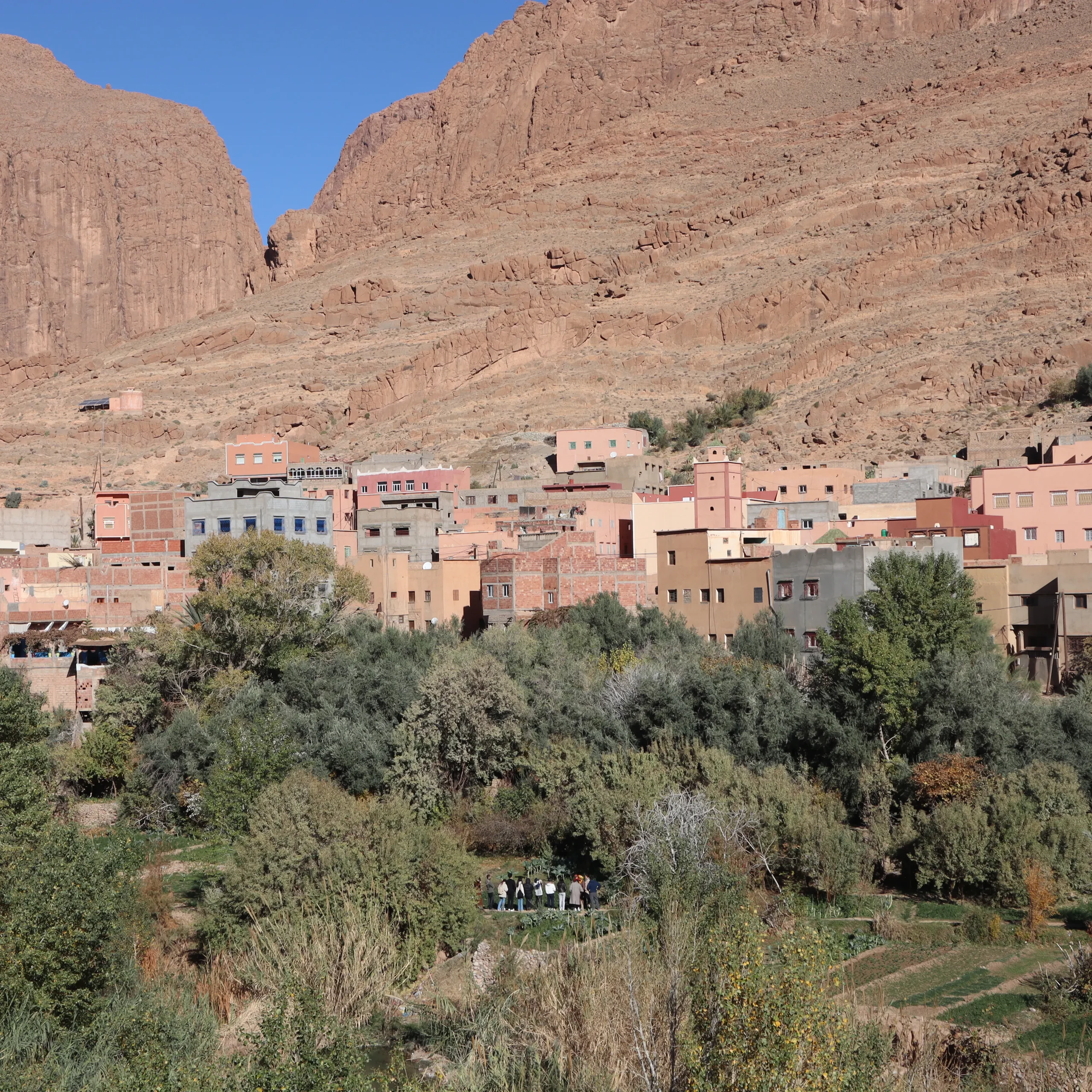
These dramatic canyons on the eastern edge of the High Atlas feature towering rock walls, lush palm oases, and spectacular driving roads that wind through the mountains.
Often called “Morocco’s Switzerland,” Ifrane in the Middle Atlas features European-style architecture, alpine forests, and the chance to see Barbary macaques in their natural habitat.
This UNESCO World Heritage site sits at the foothills of the High Atlas. The spectacular fortified village (ksar) has featured in numerous Hollywood films and offers a glimpse into Morocco’s trading past.
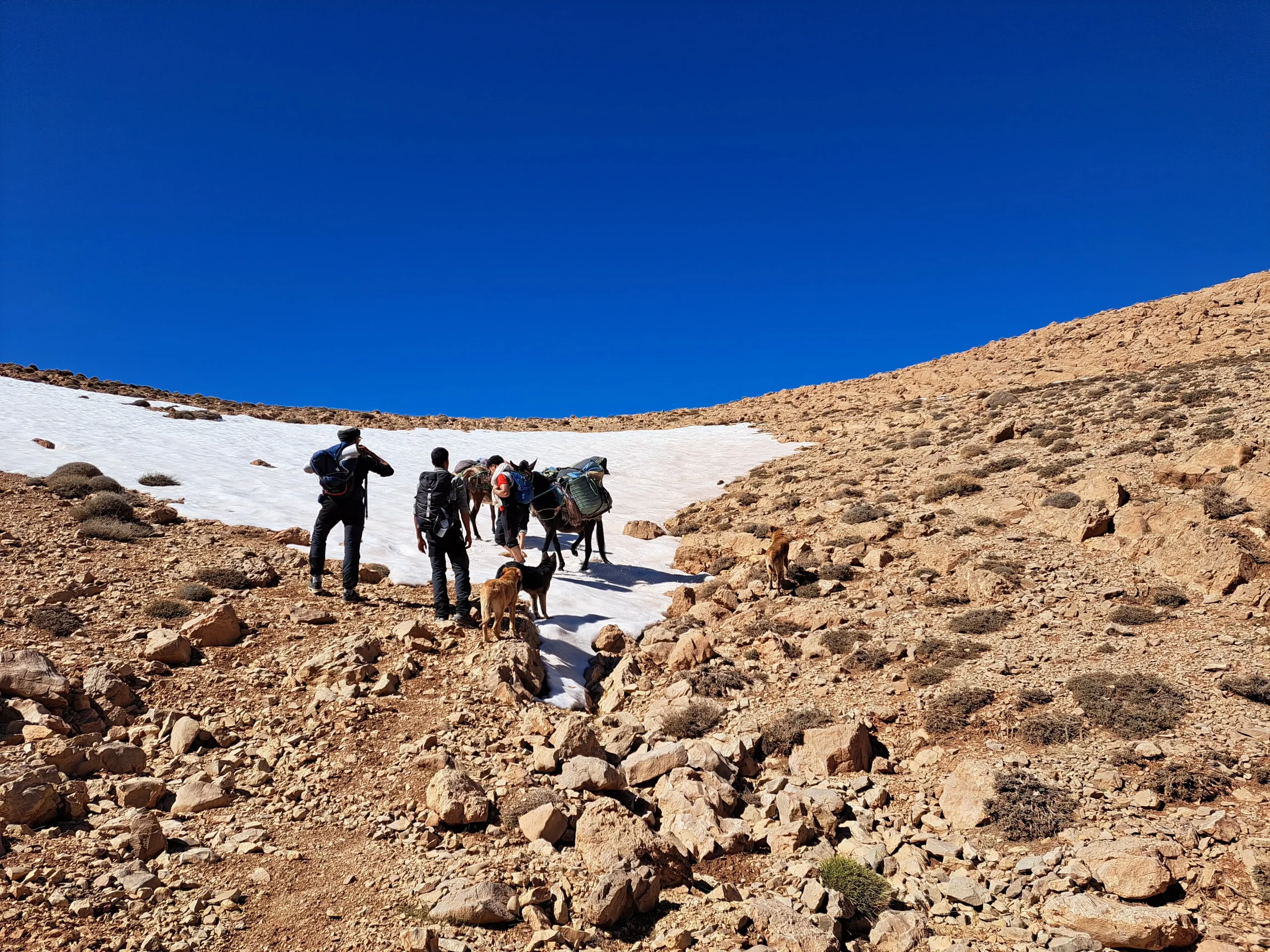
The Atlas Mountains offer some of North Africa’s best trekking opportunities, ranging from easy day hikes to challenging multi-day expeditions:
For serious trekkers, Morocco trekking tours offer organized experiences with guides, equipment, and accommodations arranged.
The Atlas Mountains are home to Morocco’s indigenous Berber (Amazigh) people, whose culture and traditions date back thousands of years. A visit to the region offers unique cultural experiences:
The mountains are dotted with villages built from local materials that blend perfectly into the landscape. Many communities welcome visitors, offering:
For a deeper experience, consider staying in a family home or community guesthouse. Many villages now offer basic but comfortable accommodations where you can:
These cultural exchanges often become travelers’ most cherished memories of Morocco.
Accommodation options in the Atlas range from rustic to luxurious:
For those seeking comfort amidst the mountains, several world-class properties offer exceptional experiences:
Expect to pay €200-500+ per night for luxury accommodations.
Comfortable, charming options with local character:
Prices typically range from €50-120 per night.
Affordable ways to experience the mountains:
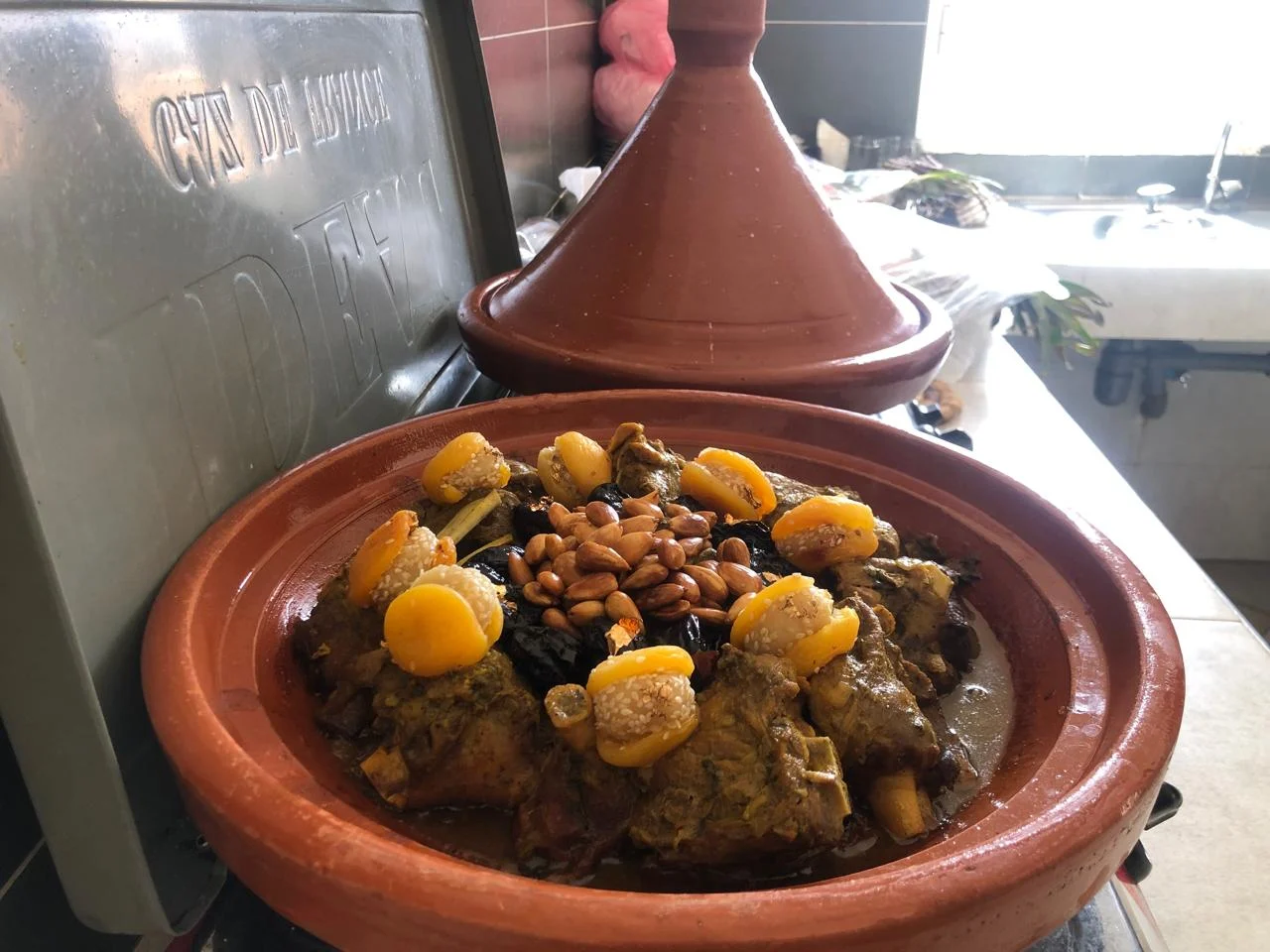
Atlas Mountain cuisine offers delicious specialties that reflect the region’s agricultural bounty:
The traditional Moroccan foods you’ll find in the mountains are often prepared with fresher ingredients than their city counterparts.
For more general advice, check our essential tips for safe travel to Morocco.
If you’re short on time, these popular day trips give you a taste of the mountains:
Many travelers also combine Atlas Mountain visits with other day trips from Marrakech.
The Atlas Mountains face environmental challenges including deforestation, erosion, and climate change impacts. As a visitor, you can support conservation efforts by:
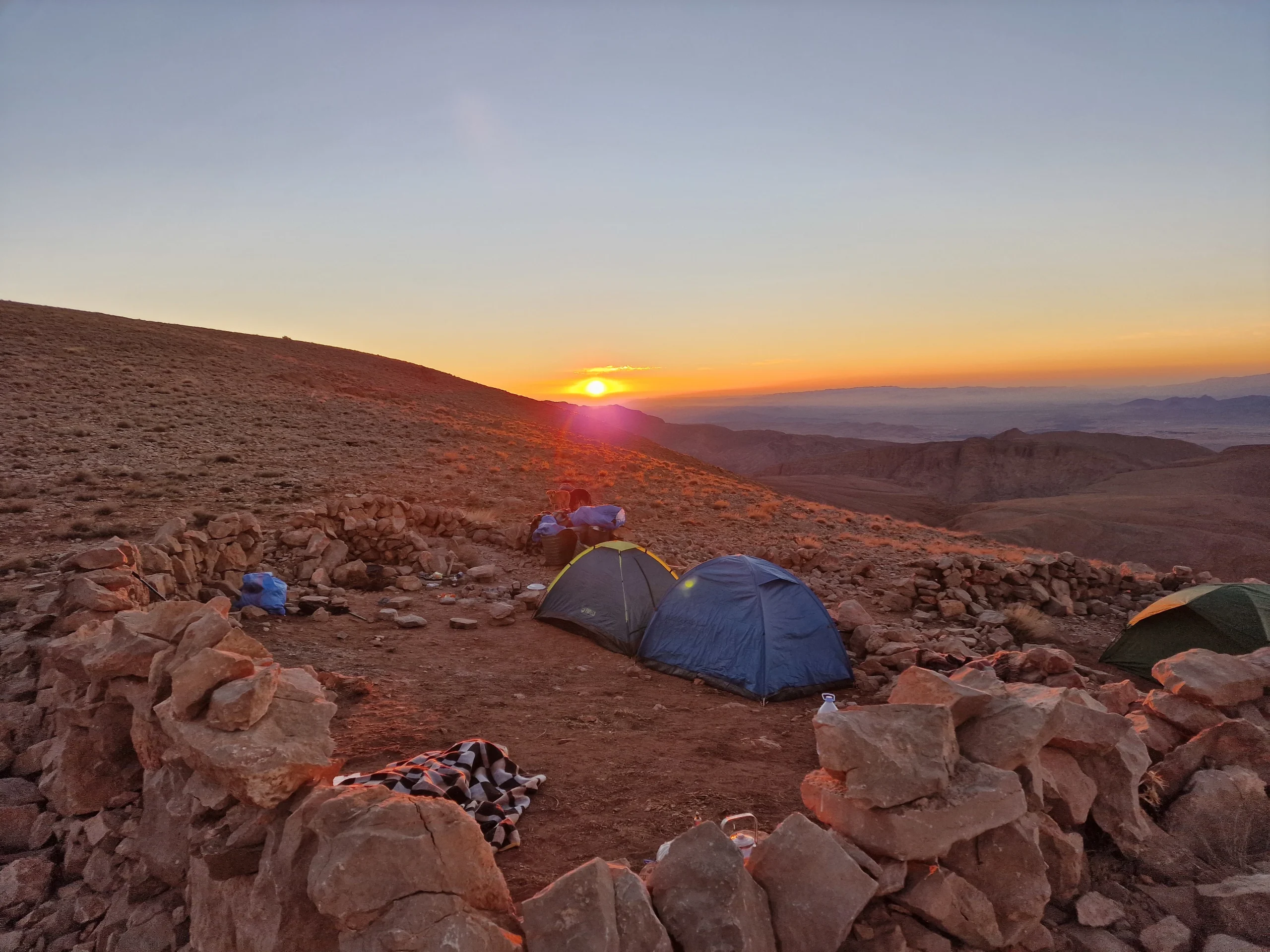
The Atlas Mountains run diagonally across Morocco from the southwest to the northeast, forming a natural barrier between the Mediterranean/Atlantic coastal regions and the Sahara Desert. They cover approximately one-third of Morocco’s total land area.
While not mandatory for all areas, hiring a local guide is highly recommended, especially for multi-day treks or climbing Mount Toubkal. Guides provide valuable navigation, cultural insights, and safety support. They typically cost €30-50 per day depending on the route and group size.
Yes, the lower valleys remain accessible year-round, offering beautiful snow-capped mountain views. Higher elevations receive significant snowfall from November to April, making some passes impassable. Winter visits require proper equipment and experienced guides for mountain trekking. The ski resort of Oukaïmeden operates during winter months.
The Atlas Mountains are home to diverse wildlife including Barbary macaques (especially in the cedar forests), Barbary sheep, foxes, and numerous bird species including eagles and vultures. The critically endangered Atlas cedar and unique plant species also thrive in different elevation zones throughout the range.
Mount Toubkal is considered a challenging but non-technical climb. The main difficulties come from the altitude (4,167m), steep sections, and potentially harsh weather conditions. Most reasonably fit people with proper preparation can summit. The standard route takes 2-3 days and requires no specialized climbing equipment during summer months (June-September).
The Atlas Mountains of Morocco offer an unforgettable journey into dramatic landscapes and authentic culture. Whether you’re seeking adventure, cultural immersion, or simply a peaceful retreat from Morocco’s bustling cities, these magnificent mountains provide experiences that will remain with you long after you’ve returned home. From snow-capped peaks to hidden valleys dotted with Berber villages, the Atlas range represents Morocco at its most majestic.
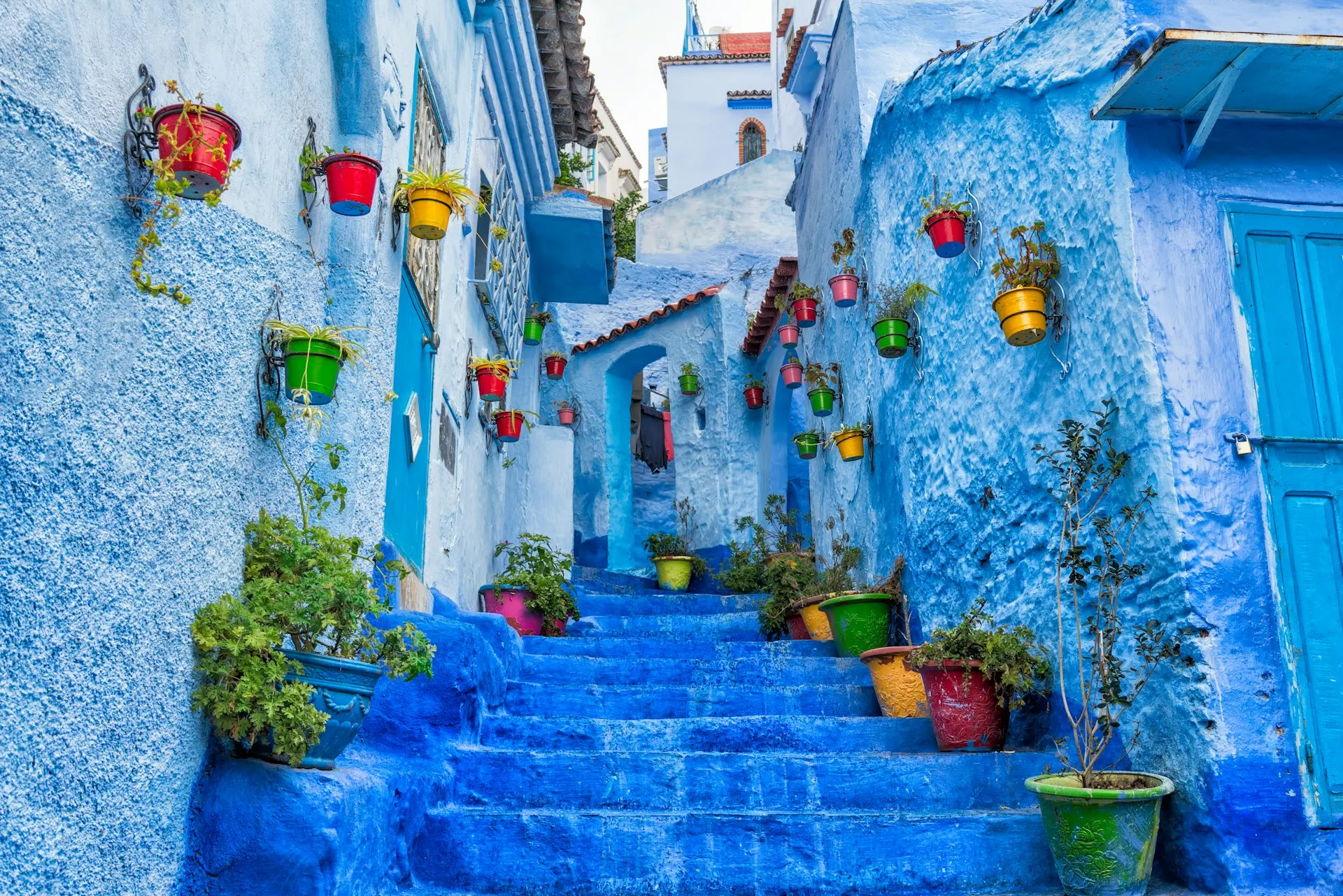
[ez-toc] Part of: The Complete Morocco Travel Guide Chefchaouen Travel Guide: Morocco's Blue City Tucked into the folds of the Rif Mountains, Chefchaouen is unlike...
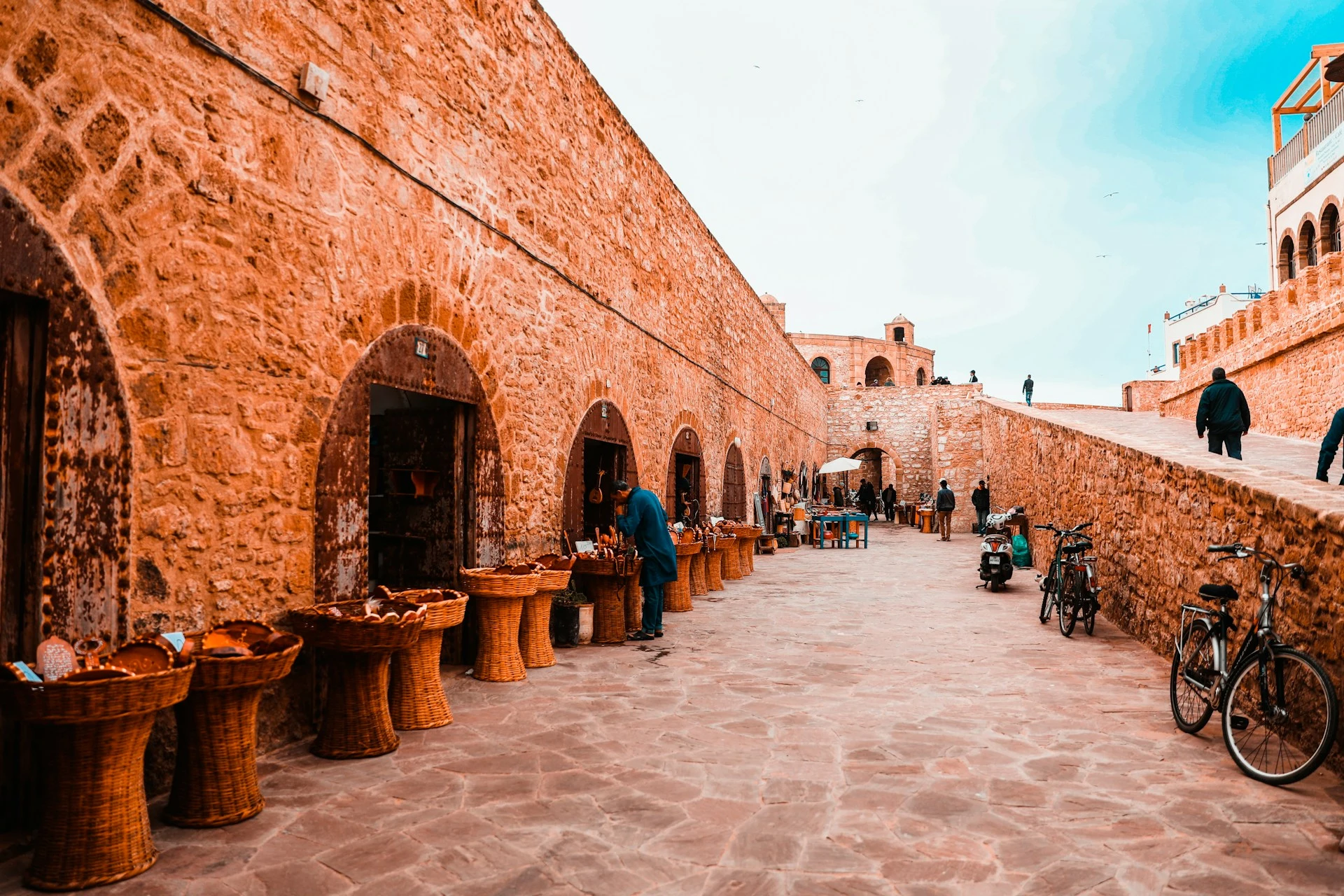
[ez-toc] 📍 Part of: The Complete Morocco Travel Guide Essaouira Travel Guide: Morocco's Laid-Back Atlantic Town After the intensity of Marrakech, Essaouira feels like exhaling....
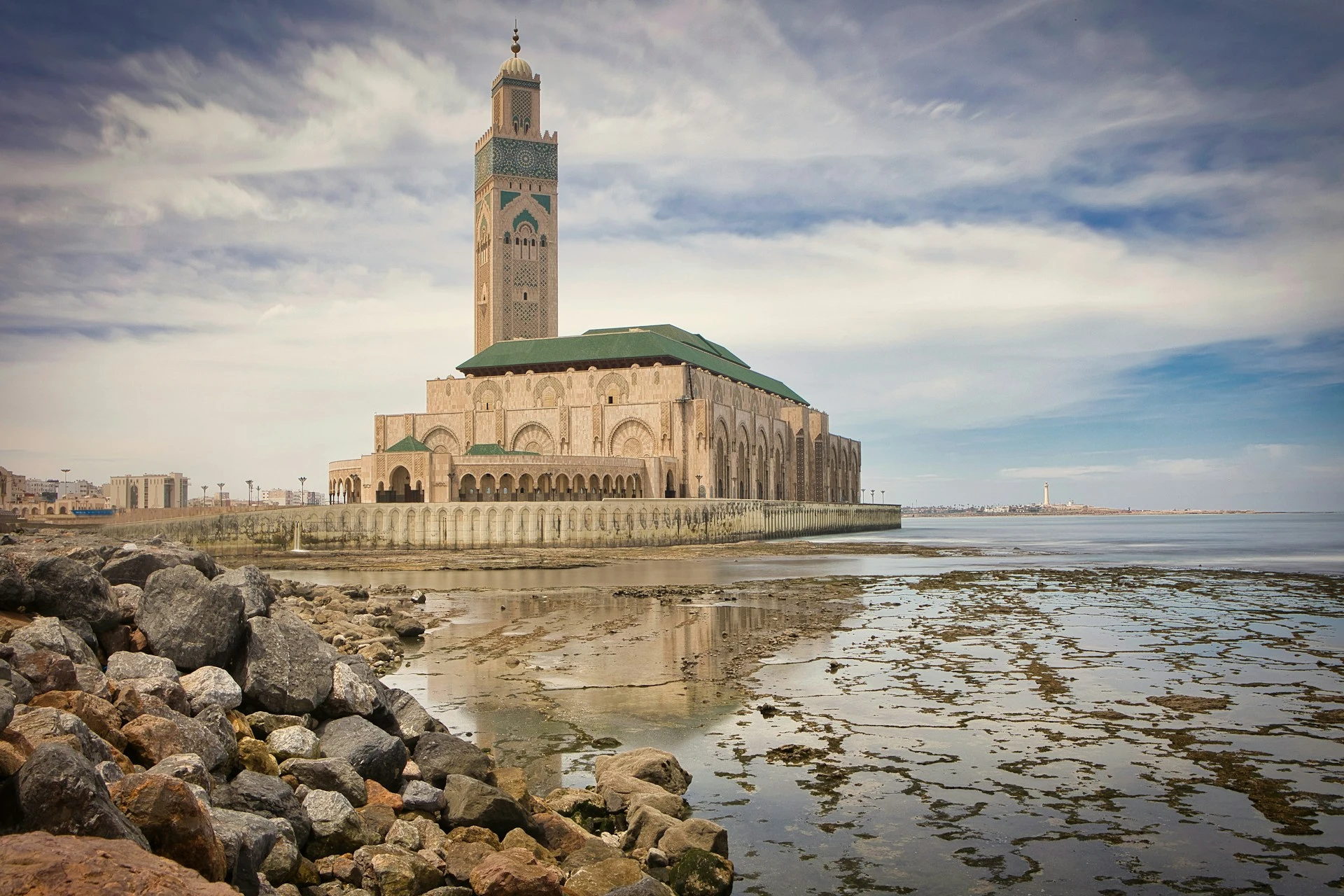
[ez-toc] Part of: The Complete Morocco Travel Guide Casablanca Travel Guide: Morocco's Modern Face Casablanca isn't the Morocco of postcards and ancient medinas and that's...
