Boujloud in Agadir 2026: History, Culture & Morocco’...
[ez-toc] Imagine walking through the sun-warmed streets of Agadir just days after Eid al-Adha. The air still carries the lingering warmth of communal feasts, and...
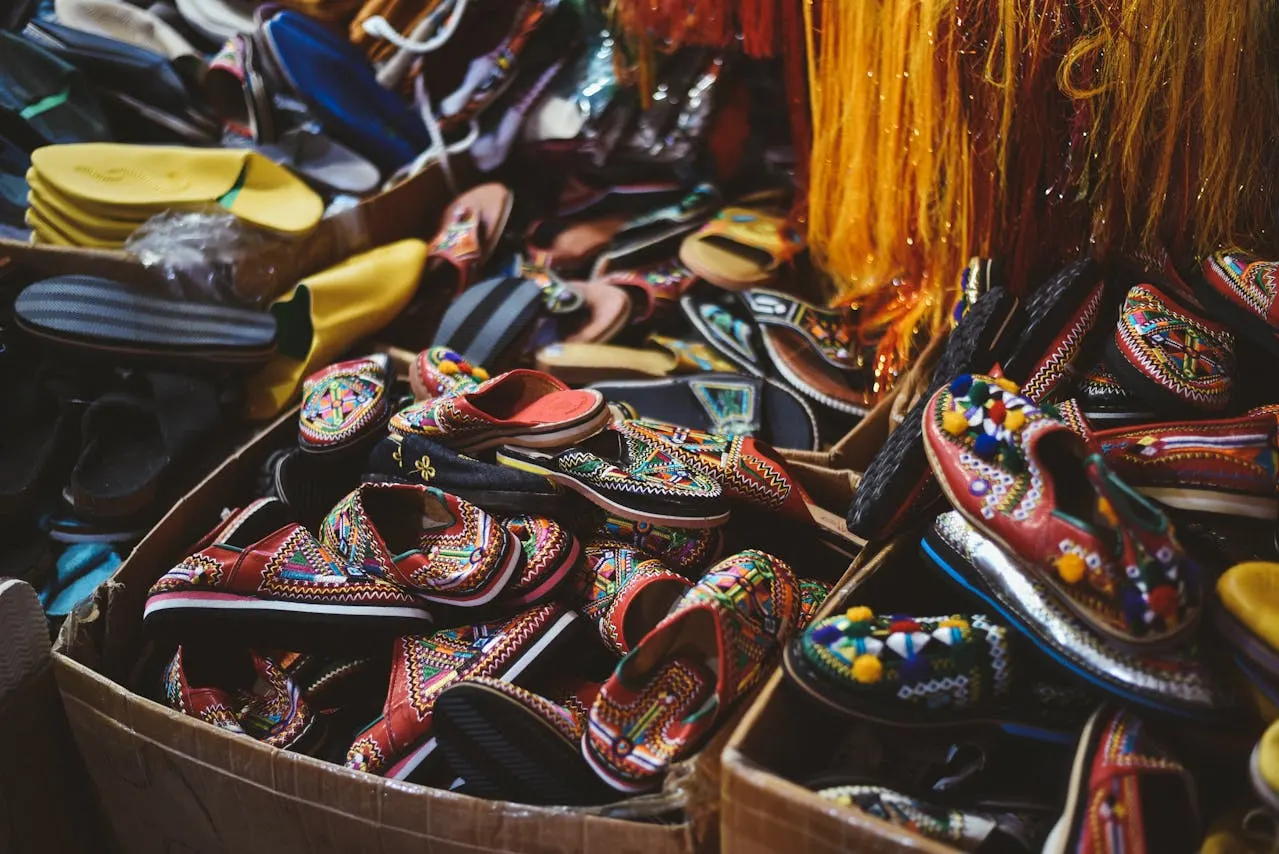
Navigating Agadir’s bustling souks is an essential Moroccan experience that combines vibrant colors, intoxicating scents, and the thrill of discovering hidden treasures. As your trusted Morocco experts, we’ve explored every corner of Agadir’s markets to bring you this comprehensive guide to the city’s most fascinating shopping destinations.
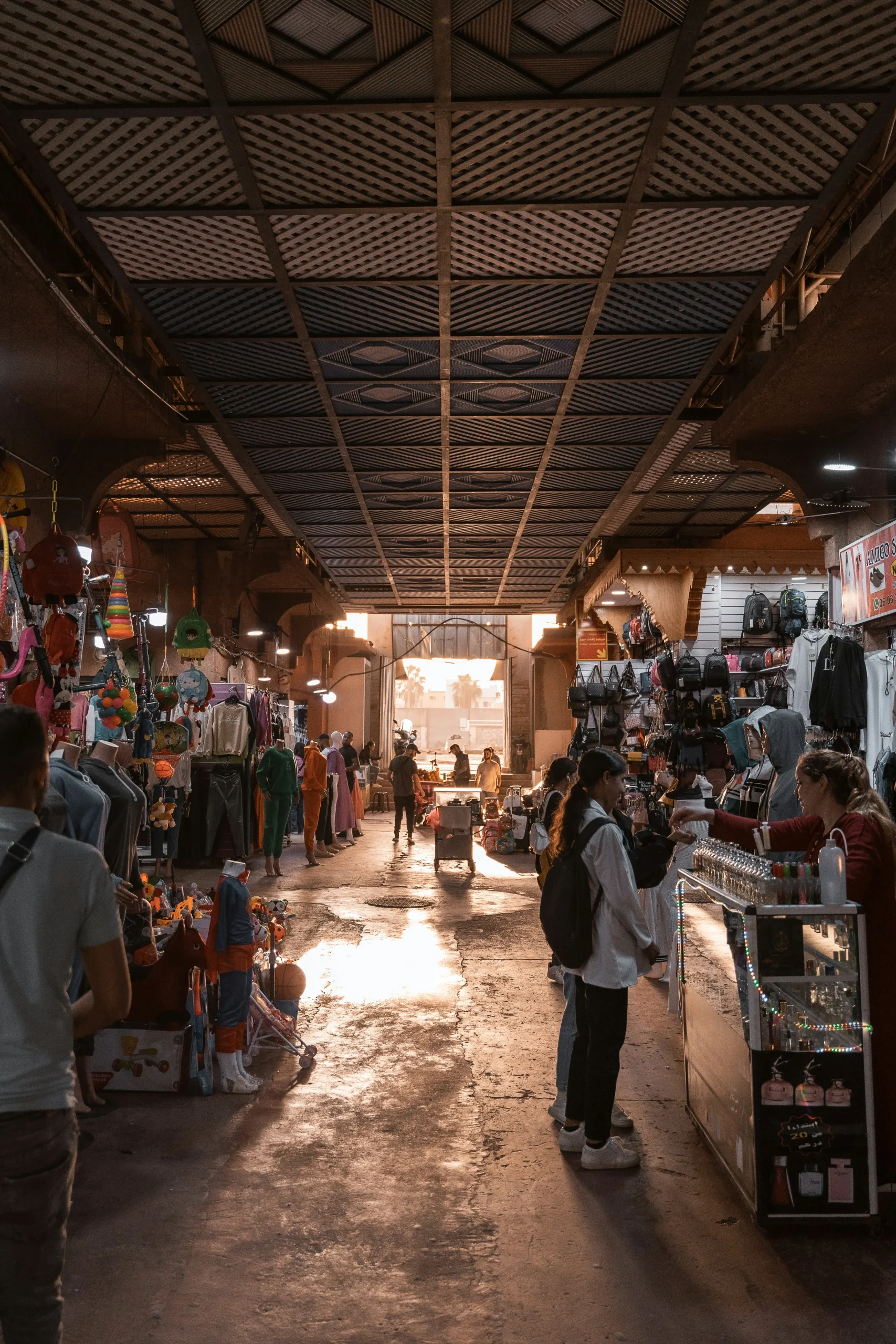
Souk El Had (Sunday Market) is the beating heart of Agadir’s shopping scene and one of the largest markets in Morocco. Spanning over 13 acres with nearly 6,000 stalls, this massive marketplace operates daily except Monday, despite its name suggesting it’s only open on Sundays.
The souk is organized in sections, making navigation relatively straightforward once you understand its layout:
For first-time visitors, we recommend entering through the main gate near Place Souk El Had. This allows you to orient yourself before diving deeper into the maze of alleys.
Agadir’s souks offer a diverse range of products, from practical everyday items to exquisite artisanal crafts. Here are the must-buy items that showcase authentic Moroccan craftsmanship:
The Souss Valley surrounding Agadir is the world’s only argan-growing region. At the souk, you’ll find pure argan oil and products like soaps, shampoos, and cosmetics. For the best quality, look for cooperatives run by local women who follow traditional extraction methods.
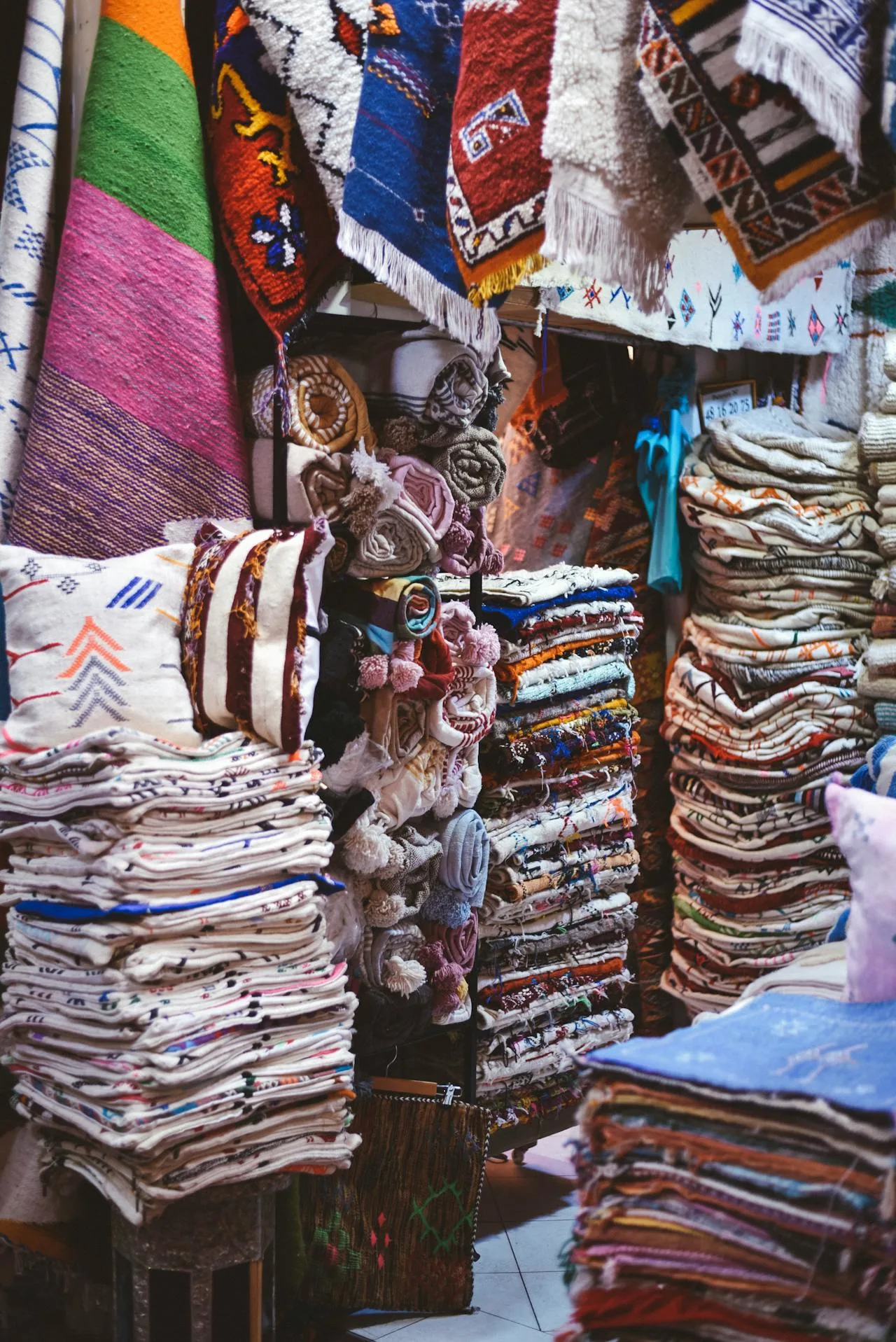
Agadir’s souk features beautiful handwoven carpets from the Atlas Mountains. Each piece tells a story through its patterns and colors. Unlike Marrakech, prices here are often more reasonable, and you’ll find authentic pieces made by Berber artisans from nearby villages.

The spice section is a sensory delight with colorful mounds of cumin, paprika, saffron, and ras el hanout (a special Moroccan blend). Local vendors can help you select the freshest options and explain traditional uses for each spice.
Look for distinctive blue-and-white pottery from the nearby town of Safi or terracotta tajine cooking pots. The ceramics section offers everything from decorative plates to practical cookware at better prices than tourist shops.
Bargaining is not just expected in Agadir’s souks—it’s an essential cultural ritual. Follow these insider tips for successful haggling:
Remember that bargaining is part of the experience, but aim for a fair price that respects the artisan’s work. If a vendor starts at 300 dirhams, and you pay 120-150 dirhams, that’s typically a reasonable deal for both parties.
While Souk El Had dominates Agadir’s market scene, several smaller specialized markets offer unique shopping experiences:
Despite the similar name, this authentic Sunday-only market attracts locals from surrounding villages. Located near the old port, it’s where farmers bring fresh produce, livestock, and handmade goods directly from rural areas. This is the perfect place to experience a truly authentic Moroccan market.
For those who prefer fixed prices and a less hectic atmosphere, the artisan village near Agadir beach showcases craftsmen working on traditional arts. You can watch artisans carving wood, tooling leather, or weaving textiles before purchasing directly from the creators.
For an authentic glimpse into local life, visit the fish market at Agadir’s port in the early morning. Watch as fishermen unload their fresh catch and restaurant buyers negotiate prices. Some stalls will even grill your selected fish on the spot.
Make your souk experience enjoyable and stress-free with these practical insider tips:
Early morning (8-10am) offers the freshest produce and a calmer atmosphere. Avoid peak afternoon hours (12-4pm) when the market is most crowded and temperatures soar. The hour before closing (around 6-7pm) can yield good bargains as vendors prepare to pack up.
Souk El Had is located about 2km from the beach resort area. Petit taxis (small red cars) charge around 20-30 dirhams from the tourist zone, or you can take bus #2 from the beach promenade. Once inside, remember landmarks to help find your way back to the entrance.

The souk isn’t just for shopping—it’s also a culinary adventure. Sample these authentic foods as you explore:
For a more substantial meal, look for simple food stalls in the northern section where locals eat. These offer the most authentic and affordable Moroccan dishes like tagine and couscous.
If you’re staying in Agadir for several days, consider these fascinating market day trips:
These regional markets often offer more authentic experiences and lower prices than those in tourist-heavy areas. Our Agadir day trips guide provides detailed information on transportation options.
Found the perfect Berber carpet or ceramic set but worried about getting it home? Several shipping options are available:
For valuable purchases, we recommend taking photos of the items before shipping and keeping all receipts until your treasures arrive safely.
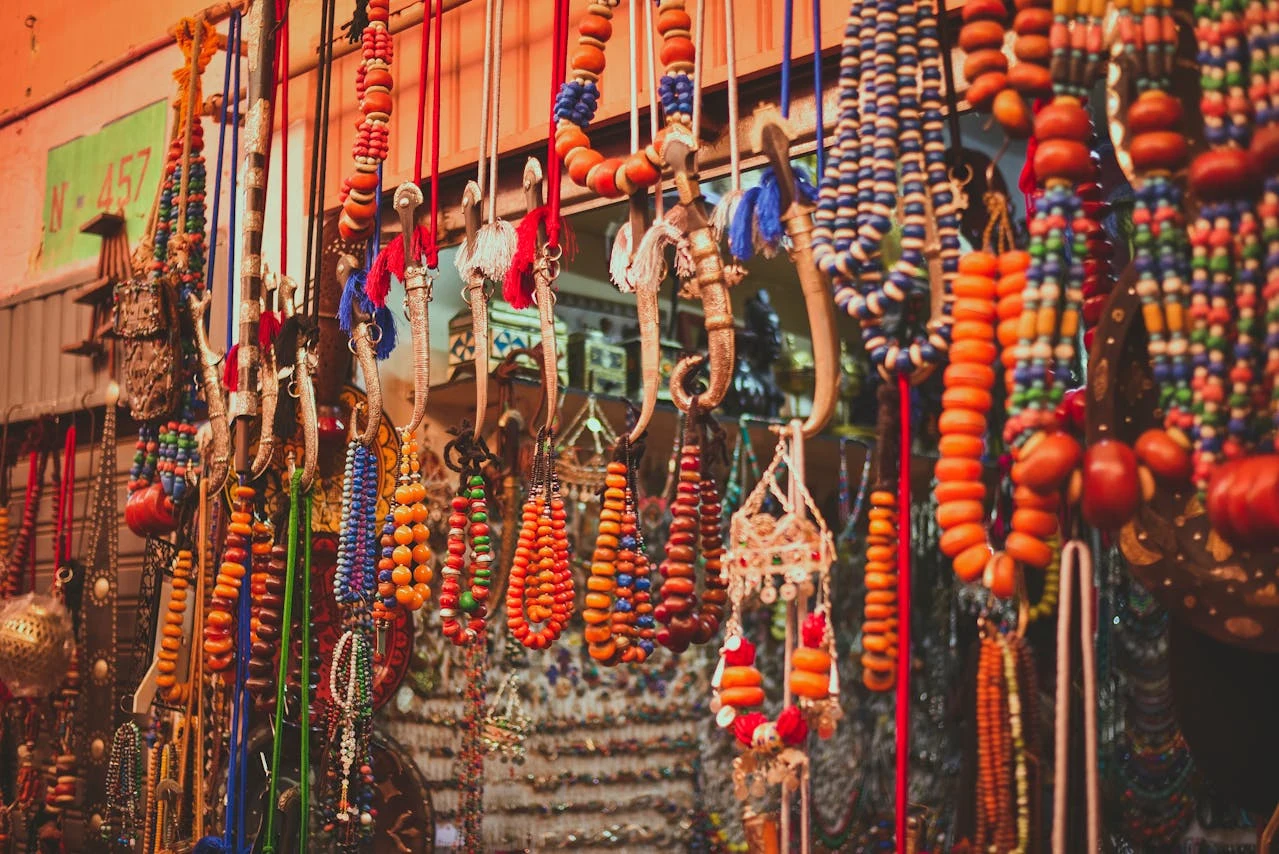
Support ethical commerce and environmental sustainability while shopping in Agadir’s souks:
Many genuine cooperatives will have certification or can explain how their business supports local communities. The Morocco Travel Guru responsible tourism guide provides more details on ethical shopping.
Souk El Had is open every day except Monday, from approximately 8:00 AM to 7:00 PM. Despite its name meaning “Sunday Market,” you can visit on any day except Monday, with Saturday and Sunday being the busiest days.
For high-quality pure argan oil in Agadir’s souk, expect to pay around 80-120 dirhams (€8-12) for 100ml after bargaining. Avoid extremely cheap argan oil (under 50 dirhams per 100ml), as it’s likely diluted with other oils. Women’s cooperatives typically offer the most authentic products.
Yes, Agadir’s main souk is generally safe for solo female travelers, especially during daylight hours. The market is well-patrolled and frequented by tourists. Dress modestly, be aware of your surroundings, and use common sense as you would in any crowded place. Morning and early afternoon visits are recommended.
Agadir’s Souk El Had is more modern, organized, and less maze-like than Marrakech’s medina souks. Agadir’s market was rebuilt after the 1960 earthquake, so it lacks the historic architecture but offers wider aisles, clearer organization, and typically less aggressive selling tactics. Prices are often lower in Agadir, while Marrakech offers more variety and atmosphere.

[ez-toc] Imagine walking through the sun-warmed streets of Agadir just days after Eid al-Adha. The air still carries the lingering warmth of communal feasts, and...
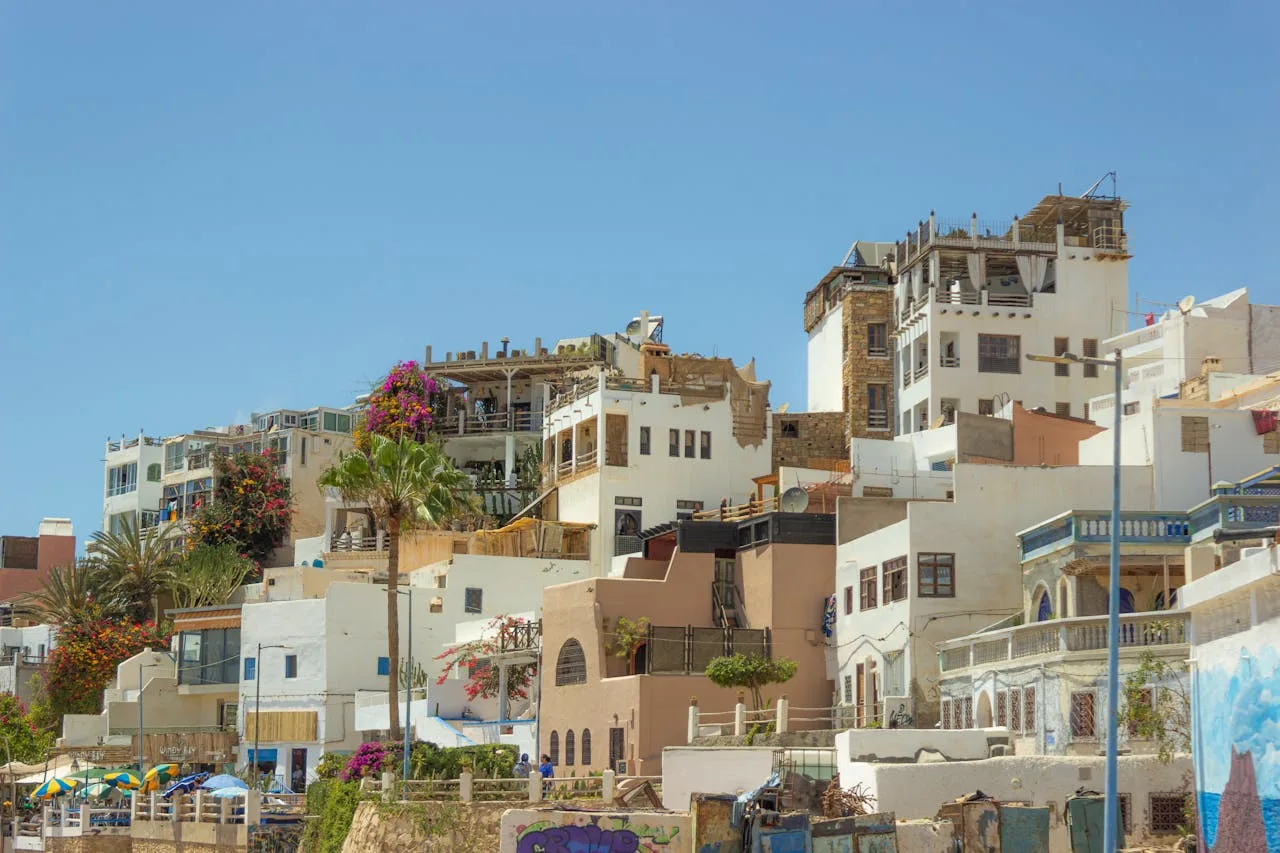
Planning your trip to Agadir and looking for the best budget hotels? This guide was carefully created to help you find affordable stays that offer the perfect balance between price, comfort, and location.
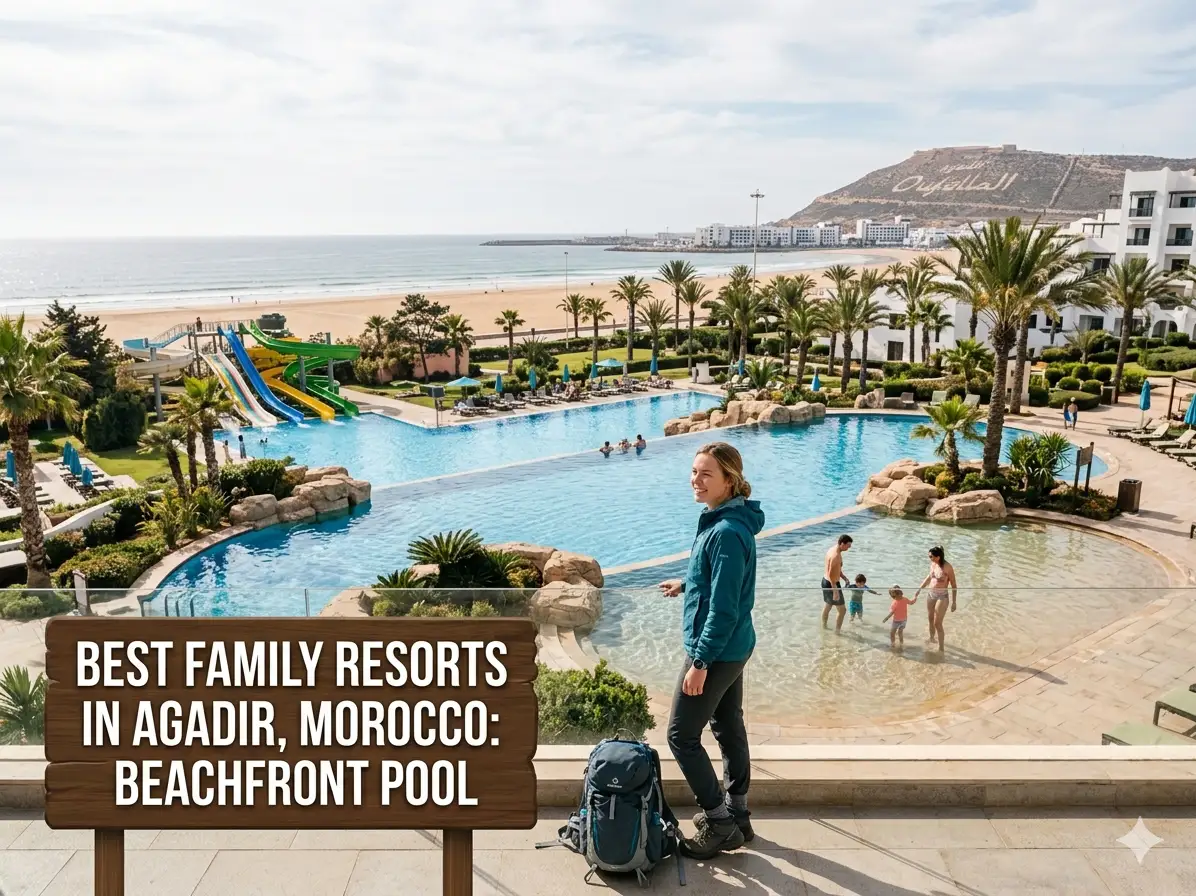
Planning a family holiday and wondering where to stay? Look no further than the sun-soaked shores of southern Morocco.
