15 Best Things to Do in Fes, Morocco (2026 Local’s Guide)
15 Best Things to Do in Fes, Morocco (2026 Local's Guide) Fes is Morocco's most captivating city and the one that rewards curious travellers most...
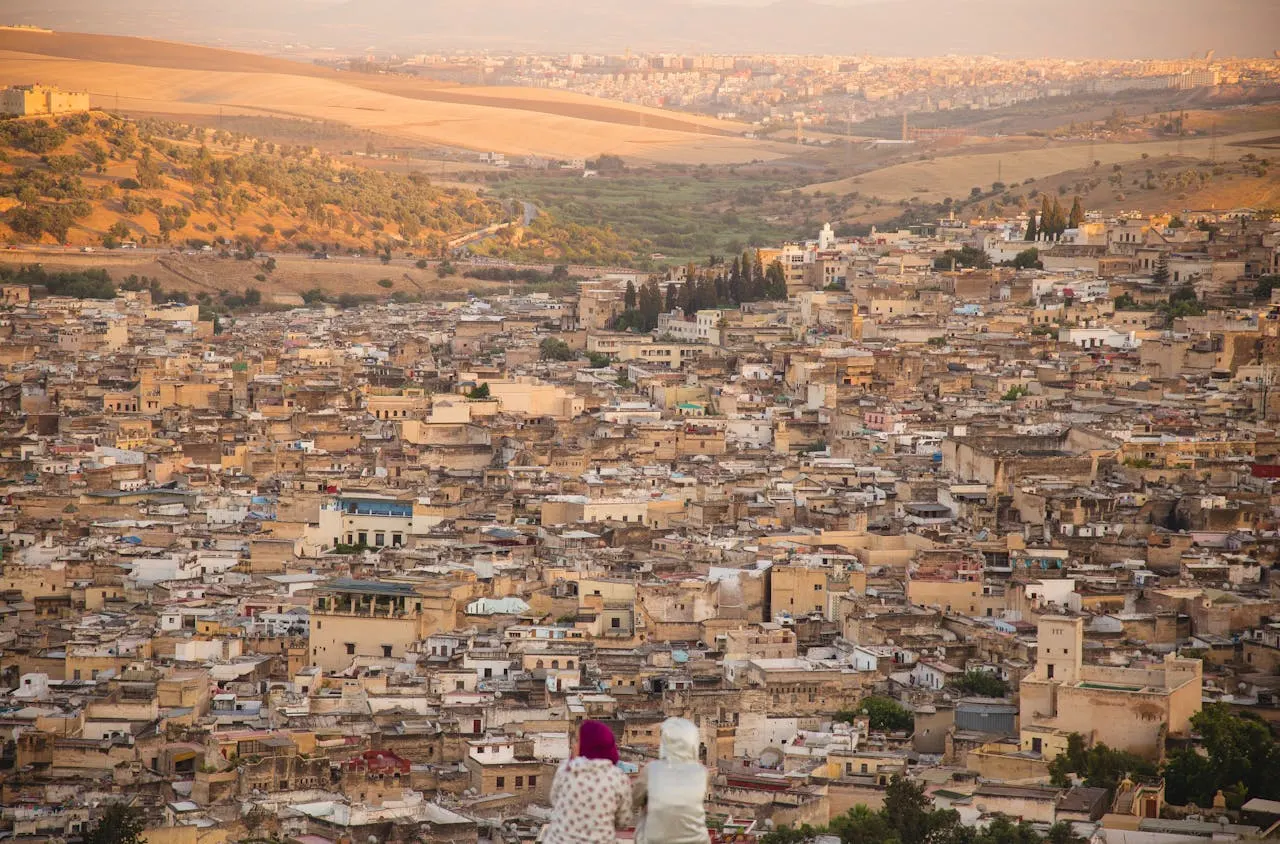
Fez is one of the most extraordinary cities on earth. It is ancient, labyrinthine, alive and utterly unlike anywhere else you will ever visit. With over 9,000 narrow streets, medieval madrasas, and the world’s oldest university, Fes el-Bali is a living UNESCO World Heritage site that will leave you speechless.
Two days is not a lot of time. But with the right plan, it is enough to experience the real soul of this city. This 2-day Fes itinerary is built on 20+ years of travel expertise and local knowledge. It cuts the noise, skips the tourist traps, and takes you straight to the heart of what makes Fez unforgettable.
Whether you are passing through on a Morocco itinerary or making a dedicated trip, this guide will give you everything you need day-by-day plans, food tips, transport advice, and honest insider knowledge.
Your first day belongs entirely to Fes el-Bali the old walled city. Start early. The Medina comes alive in the morning and the light is extraordinary before 10am. Wear comfortable shoes. You will walk a lot.

Begin at Bab Bou Jeloud, the famous Blue Gate. This ornate 1913 gateway is your main entrance into the old Medina and the perfect starting point. Take a moment to appreciate it before diving into the maze of streets beyond.
Walk south along Talaa Kebira the main artery of the Medina. This is one of the oldest and most atmospheric streets in the Arab world. Spice sellers, bread ovens, mule trains, and school children fill the lane every morning.
Your first stop is the Bou Inania Madrasa. Built in the 14th century, it is the finest example of Marinid architecture in Morocco. The carved stucco, intricate mosaics, and cedarwood ceilings are breathtaking. Entry costs around 70 MAD worth every dirham.
After the Madrasa, continue deeper into the Medina toward the Nejjarine Square. The Nejjarine Fountain a stunning 18th-century carved cedarwood masterpiece stands at the centre of this quiet square. The Nejjarine Museum of Wooden Arts is housed in a beautifully restored caravanserai next door.
From Nejjarine, navigate south through the souk district. You will pass through the spice souk, the henna souk, the copper souk, and the fabric souk. Each one smells and sounds completely different. Do not rush this part.
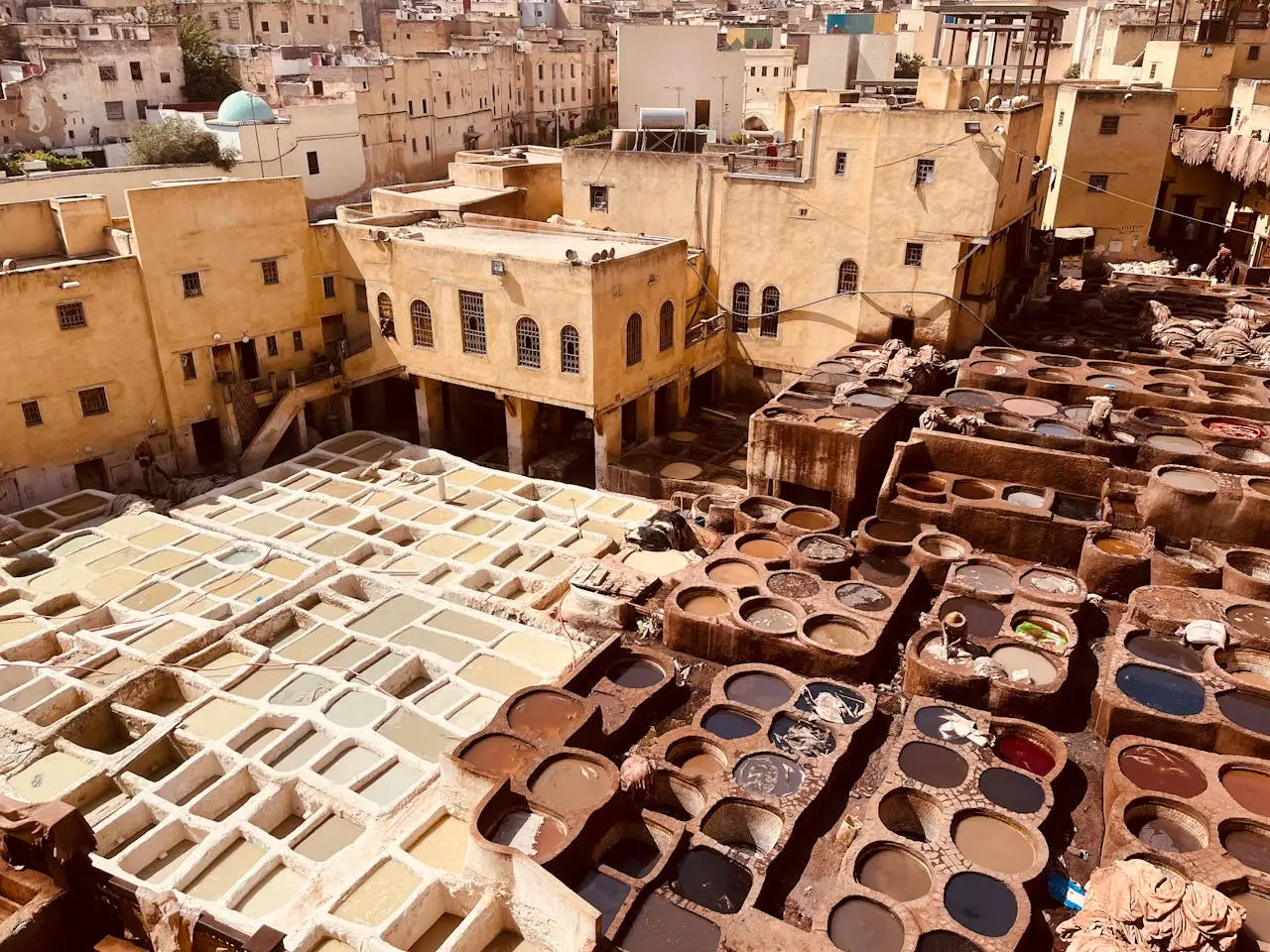
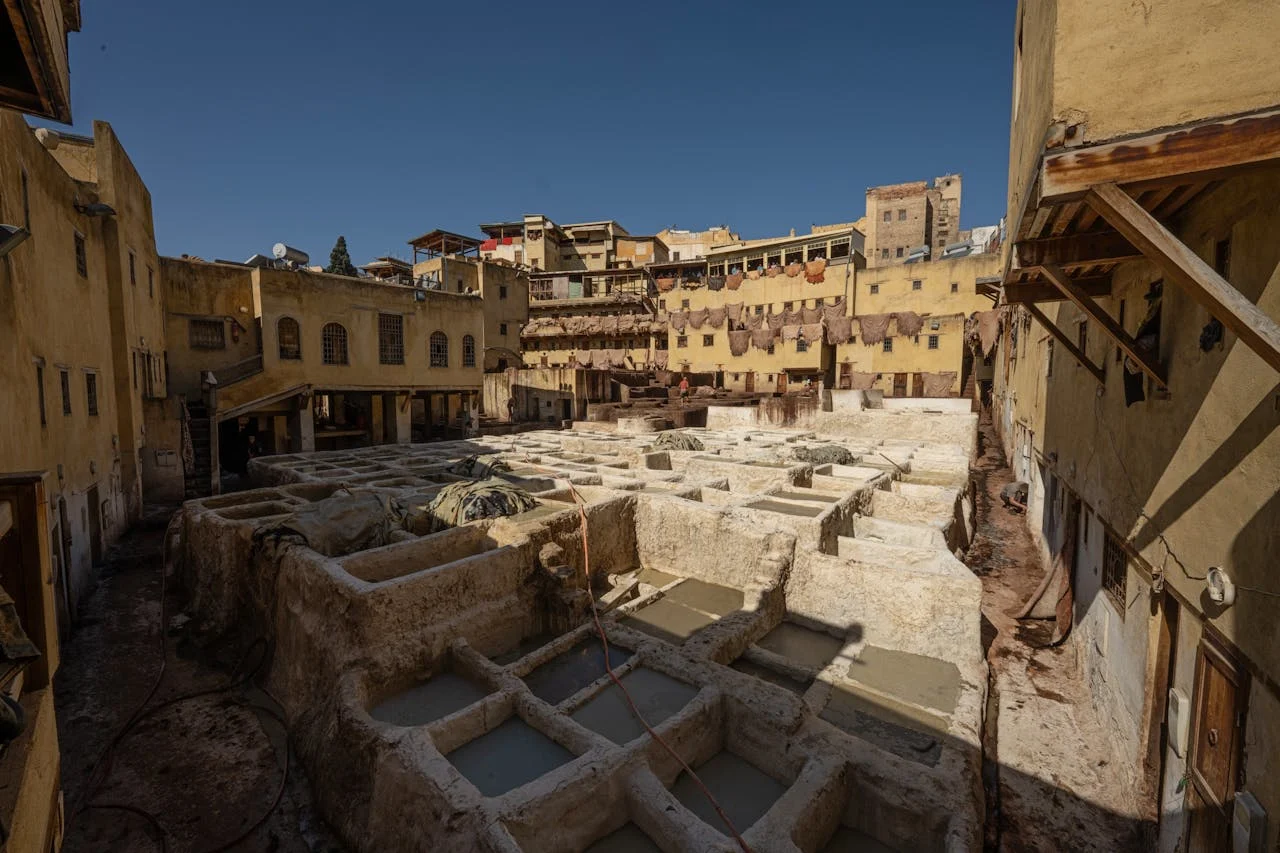
No visit to Fes is complete without seeing the Chouara Tannery. This is the oldest tannery in the world, still operating exactly as it did in the 10th century. Workers dye leather by hand in large stone vats filled with natural pigments saffron yellow, indigo blue, poppy red.
The best views are from the leather shops that surround the tannery. Most will offer you a free sprig of mint to hold under your nose you will understand why when you get close. The smell is strong, but the sight is one of the most unforgettable in all of Morocco.
Arrive between 10am and 2pm for the most activity. Later in the afternoon, the workers take a break and the vats empty.
As the day cools, climb to one of Fes’s famous rooftop restaurants for dinner. The view over the Medina at sunset thousands of white-and-ochre rooftops stretching to the hills is something you will remember for a lifetime.
Try Restaurant Nur or Clock Café (famous for its camel burger) for dinner. Both offer great atmosphere and reasonable prices.
After dinner, take a slow evening walk back through the Blue Gate area. The Medina at night is calm, lit by warm lantern light, and far less crowded than during the day.
Your second day takes you beyond the tight lanes of the Medina. You will visit royal monuments, a fascinating museum, and get a feel for Fes Jdid (New Fes) and the French-built Ville Nouvelle. It is a more relaxed day a chance to breathe and reflect.
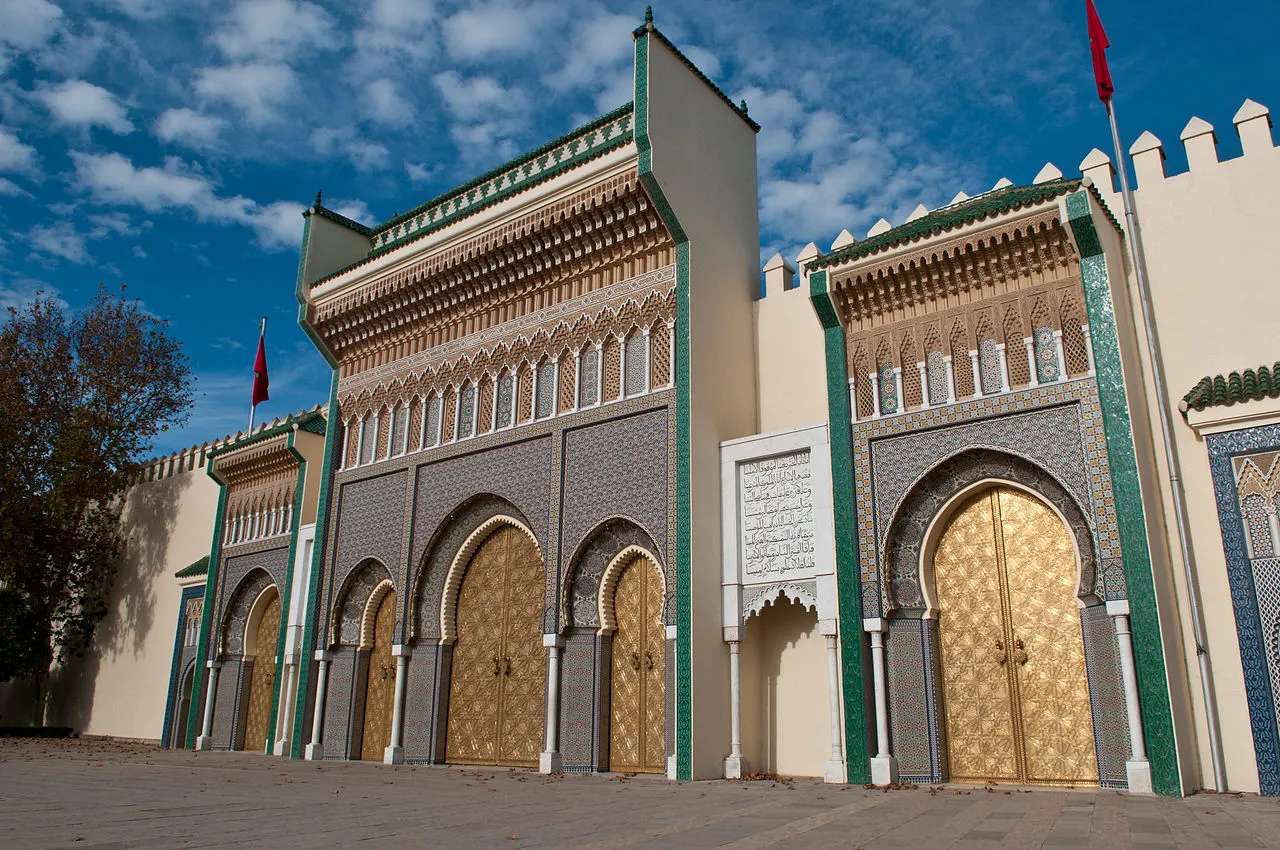
Start at the Royal Palace of Fes Dar el-Makhzen. You cannot enter (it is a working royal residence) but the golden brass gates are extraordinary. The seven ornate doors are among the most photographed sights in Morocco. Best viewed in morning light.
Walk east into the Mellah Fes’s historic Jewish quarter, established in 1438. The architecture here is distinctly different from the Medina: balconied houses, wider streets, and a quieter atmosphere. Visit the Ibn Danan Synagogue (one of the few remaining) for a moving glimpse into the city’s complex history.
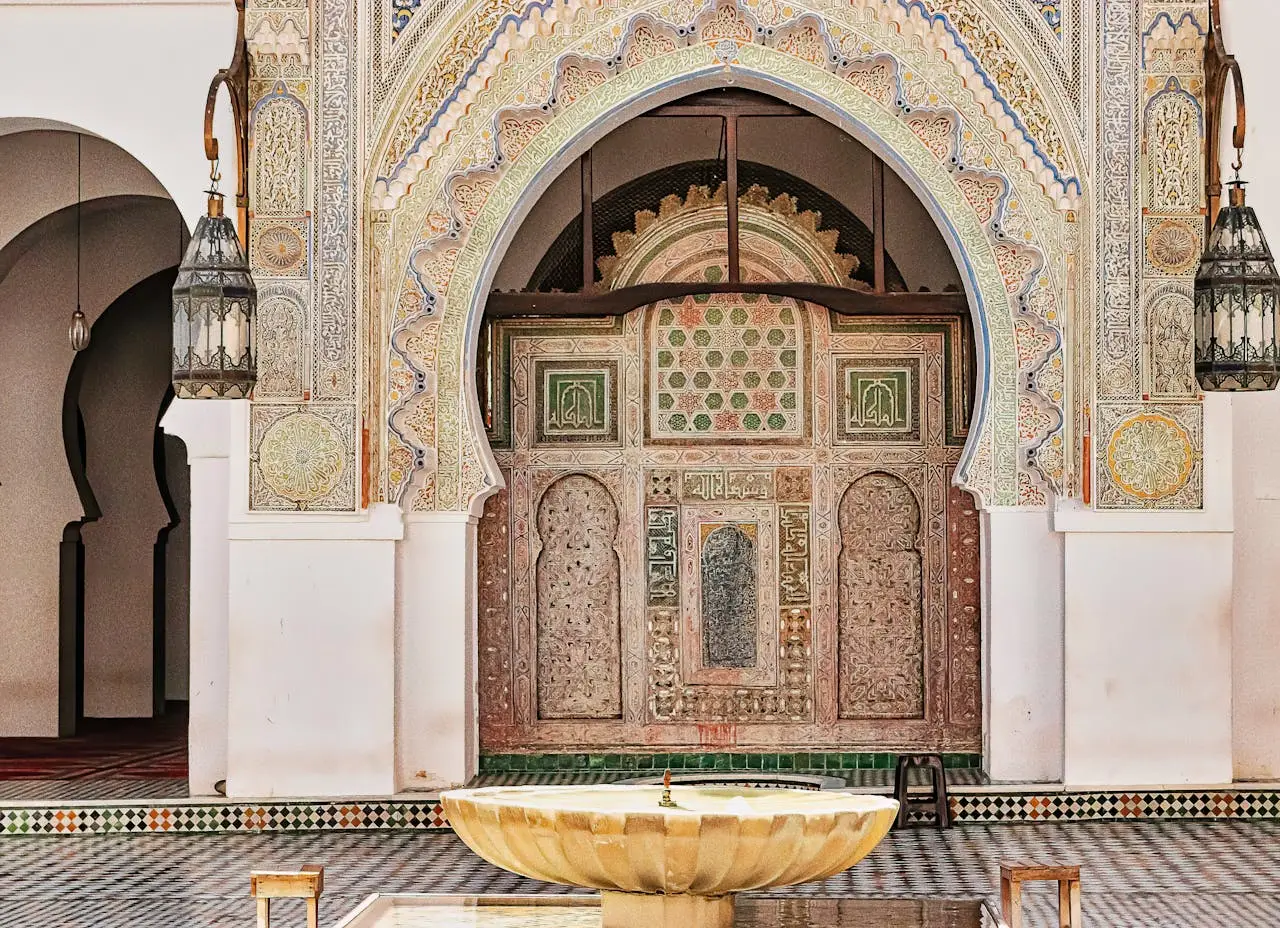
Head back into Fes el-Bali for two final cultural highlights. The Al-Attarine Madrasa, built in 1325, sits directly next to the Qarawiyyin Mosque and is perhaps even more ornate than Bou Inania. The tilework and stucco here are the finest in Fes.
Next door, the University of al-Qarawiyyin founded in 859 AD is recognized as the oldest continuously operating university in the world. Non-Muslims cannot enter the mosque, but you can peer through the beautiful carved doorways and feel the weight of history.
For the best panoramic view over the entire city, climb to Borj Nord a 16th-century fortress on the hill above the Medina. The walk takes about 20 minutes from the Blue Gate. The view from the top is the one you have seen in travel magazines: the entirety of Fes el-Bali spread below you like a map.
Alternatively, take a taxi to the Merenid Tombs on the hill to the north. These 14th-century ruins offer an equally dramatic view, especially in the late afternoon when the light turns golden.
Spend your final evening in the Ville Nouvelle the French-built new town west of the Medina. It is a completely different world: wide boulevards, European-style cafés, and a relaxed atmosphere. Boulevard Mohammed V is the main strip.
Try a traditional Moroccan dinner at Maison Blanche or explore the local restaurants along Avenue Hassan II. Finish the evening with a coffee and a pastilla (sweet pigeon pie) at a local patisserie.
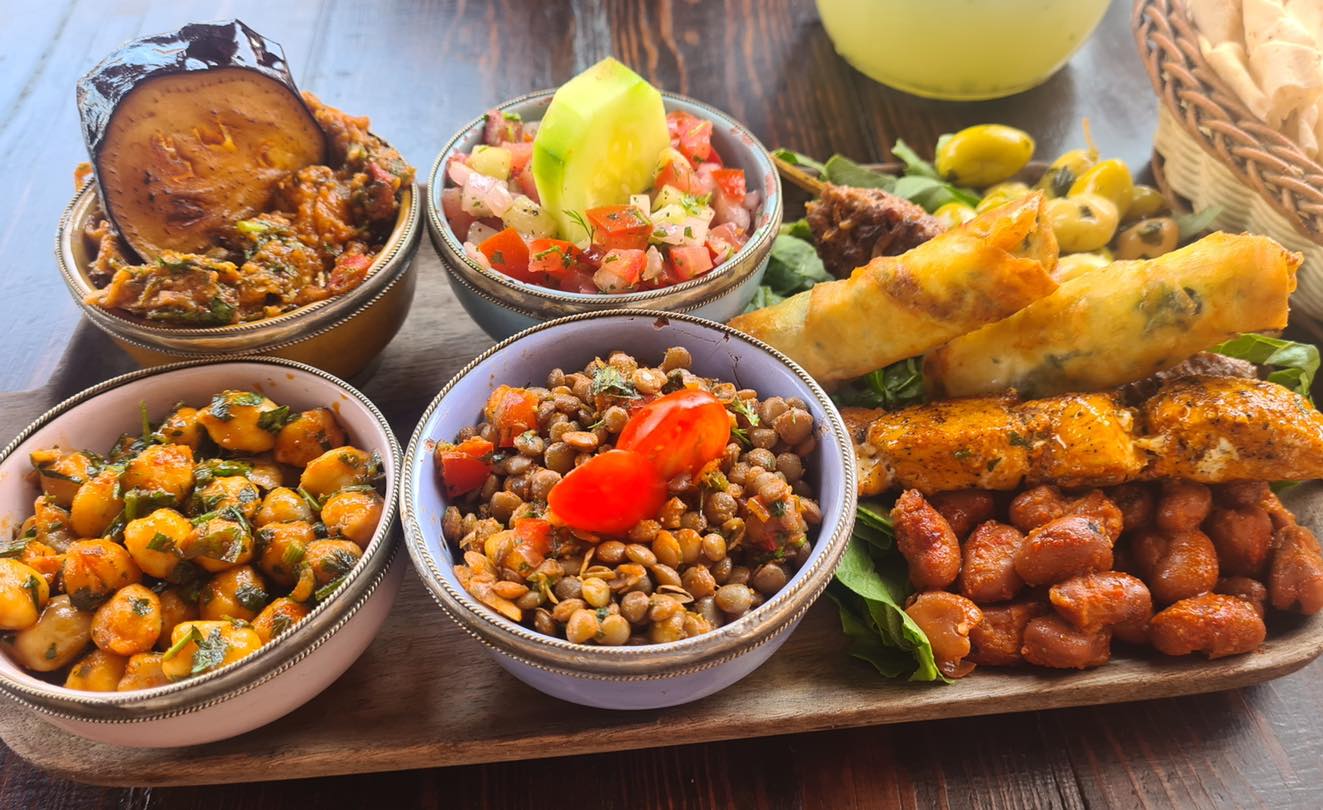
Fes has one of the richest culinary traditions in all of Morocco. The city is famous for dishes that you simply cannot find as well anywhere else.
The Medina has over 9,000 alleys. You will get lost. Embrace it. Some of the best moments in Fes happen when you turn down an unexpected lane and stumble upon a hidden fountain, a family bakery, or a craftsman at work.
Google Maps works surprisingly well inside the Medina download the offline map before you go. But do not stare at your phone the whole time. Look up.
An official guide is not mandatory, but it is highly recommended for your first day. A good guide will show you things you would never find alone, explain the history in context, and help you navigate the complex souk system. Hire only official guides registered with the Ministry of Tourism ask at your riad or the tourist office near Bab Bou Jeloud.
Expect to pay 300–500 MAD for a half-day (3–4 hours). Avoid anyone who approaches you on the street claiming to be a guide these are almost always commission-based touts who will take you to their cousin’s shop.
Fes-Saïss Airport (FEZ) is 15km south of the city. A petit taxi costs around 100–150 MAD to the Medina. There is also a bus service (Line 16) which takes around 45 minutes and costs 5 MAD very slow but very cheap.
If you have extra time, or want to add something special to your Morocco itinerary, Fes makes an excellent base for day trips.
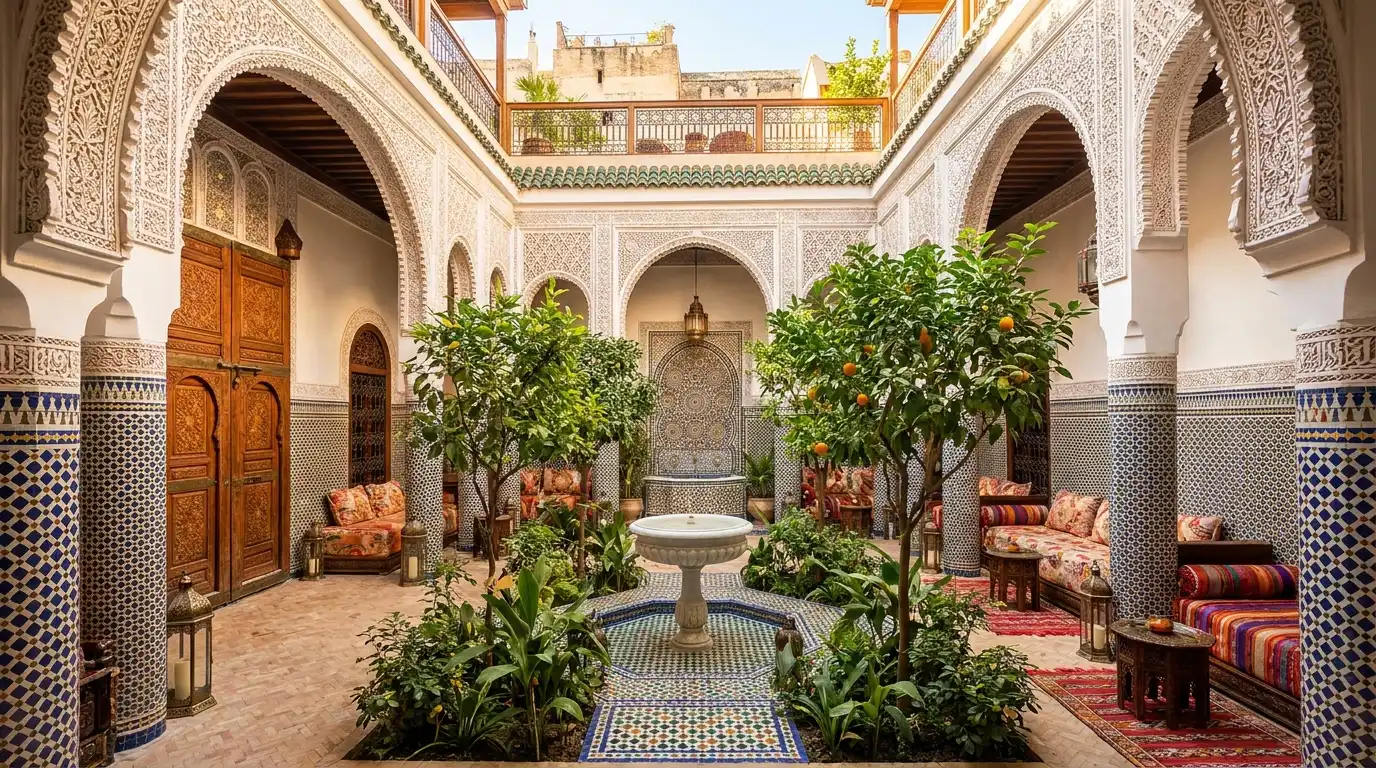
Staying inside the Medina in a traditional riad is one of the great travel experiences in Morocco. These beautiful courtyard houses are hidden behind plain walls you walk through an unremarkable door and step into a world of fountains, tilework, and tranquility.
Two days is enough to see the major highlights of Fes, including the Medina, Chouara Tannery, the madrasas, and the royal quarter. However, Fes rewards those who stay longer. Three or four days allows you to slow down, get genuinely lost in the Medina, and take a day trip to Meknes or Chefchaouen.
Yes. Fes is generally very safe for tourists. The city has a low rate of violent crime. The main issues are persistent touts and unofficial “guides” near the Blue Gate who will try to lead you to shops. Simply be polite but firm, and do not follow anyone who approaches you unsolicited. Women travelling alone should take the same precautions as in any large city.
You do not need a guide, but hiring an official one for your first day is strongly recommended. The Medina is genuinely complex and a good guide adds enormous value history, context, access to workshops, and navigation. Always hire through your riad or the official tourist office, never from someone who approaches you on the street.
Spring (March to May) and autumn (September to November) are the ideal times to visit Fes. Temperatures are pleasant (18–26°C), the crowds are manageable, and the light is beautiful. Summer (June–August) is very hot often above 40°C and can be uncomfortable for walking in the Medina. Winter is mild but can be rainy.
A comfortable budget for 2 days in Fes is approximately 100–150 USD per person per day (including accommodation, food, entry fees, and transport). Budget travellers can do it for 50–70 USD per day. Luxury travellers staying in top riads should budget 300+ USD per day.
Absolutely. English is increasingly spoken in the tourist areas of Fes, especially in riads, restaurants, and by official guides. Learning a few words of Darija (Moroccan Arabic) like “shukran” (thank you) and “la shukran” (no thank you) will be warmly received. Google Translate is useful for more complex communication.
15 Best Things to Do in Fes, Morocco (2026 Local's Guide) Fes is Morocco's most captivating city and the one that rewards curious travellers most...
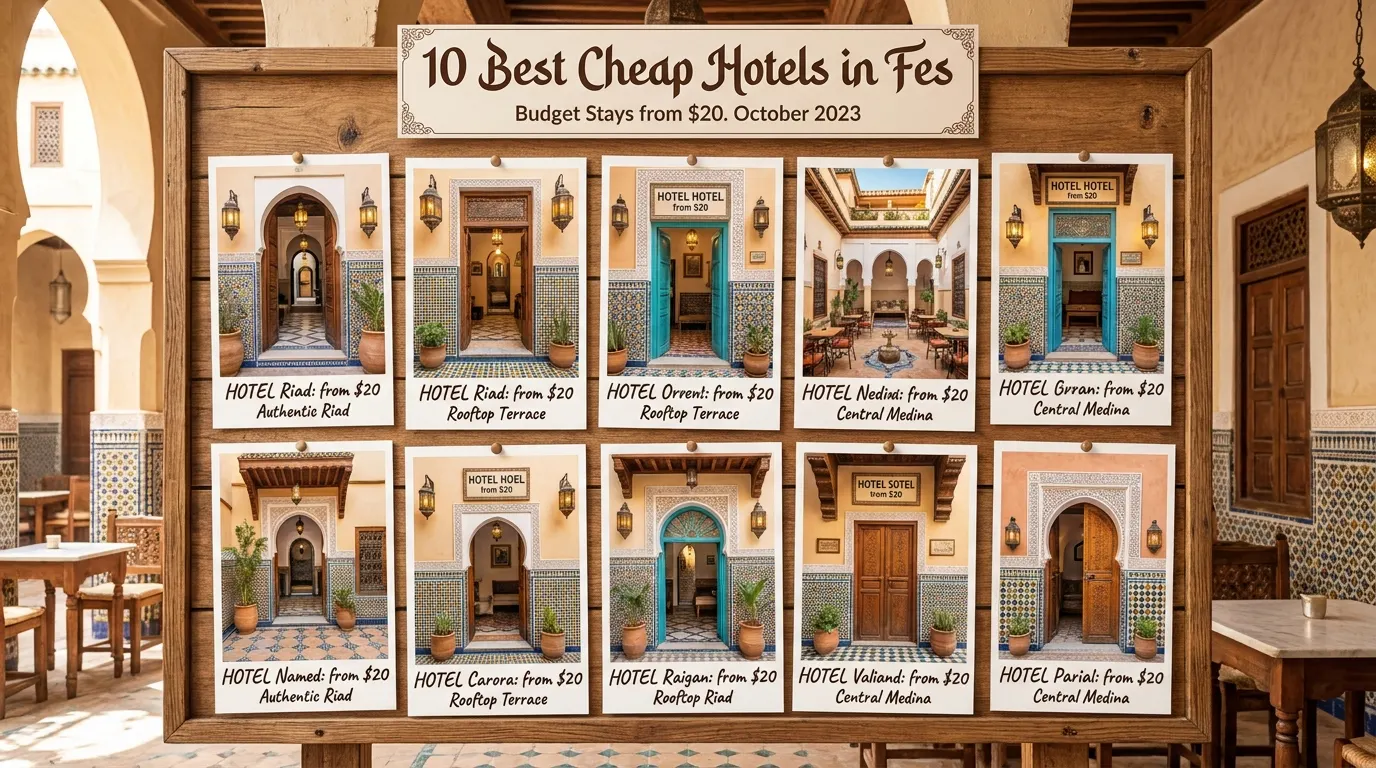
Finding affordable accommodation in Fes doesn't mean sacrificing comfort or authentic Moroccan experiences.
[ez-toc] Good to know: Riad prices in Fes can change throughout the year, especially during peak travel seasons, festivals, and holidays. The price ranges listed...

2 Comments